
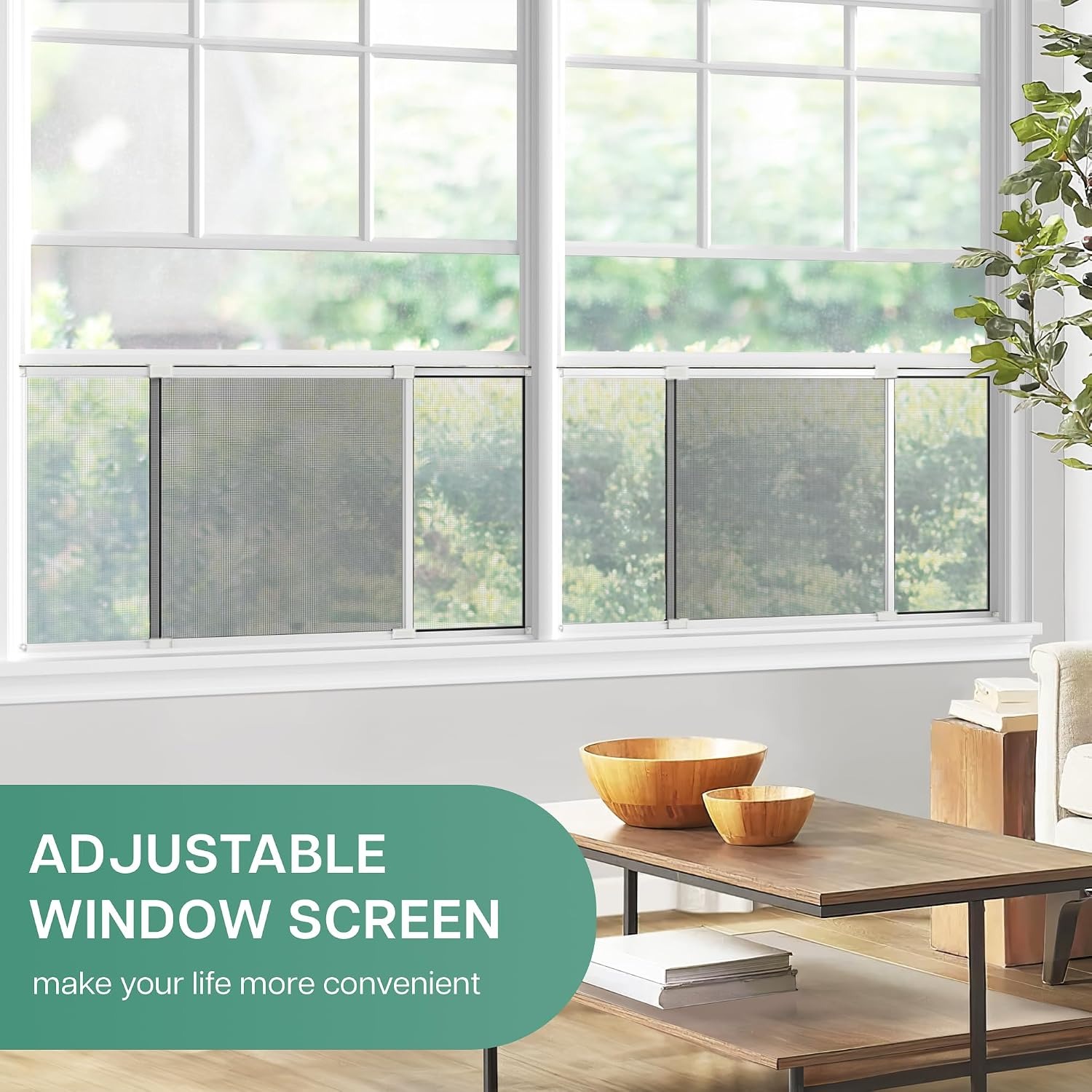
The complete guide
How to Choose an Expandable Window Screen That Actually Fits
The problem with an open window
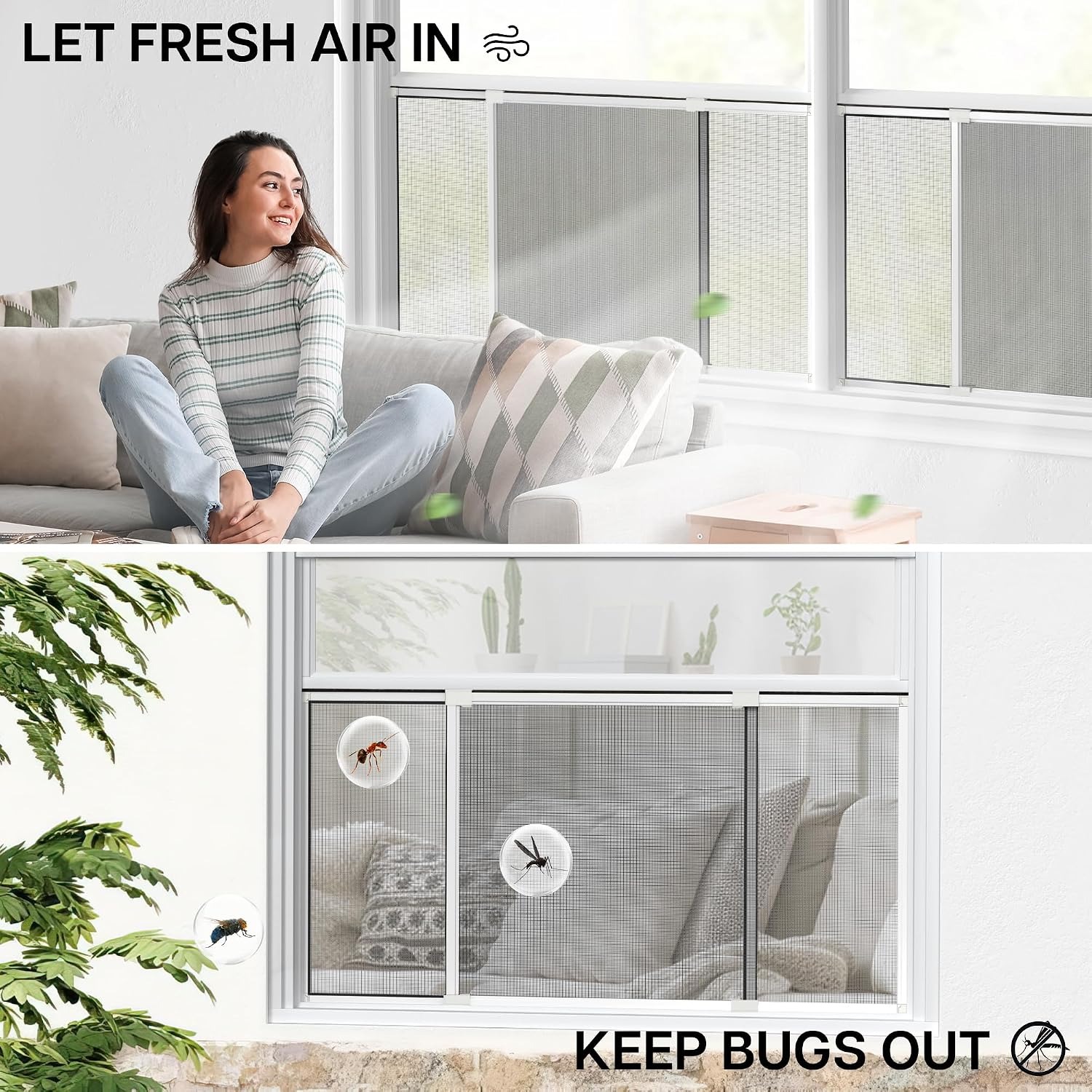
Warm weather creates a small, annoying dilemma. You want air moving through the house, especially at night, and the easiest way to get it is to open a window. The moment you do, every mosquito and moth in the neighbourhood spots the gap.
The textbook solution is a installed window screen. It works beautifully and it is also a project. You measure, you order, you drill into the frame, and if you rent you first have to ask permission that may not come. For a lot of people that is enough friction to never get around to it, so the window stays shut and the room stays stuffy.
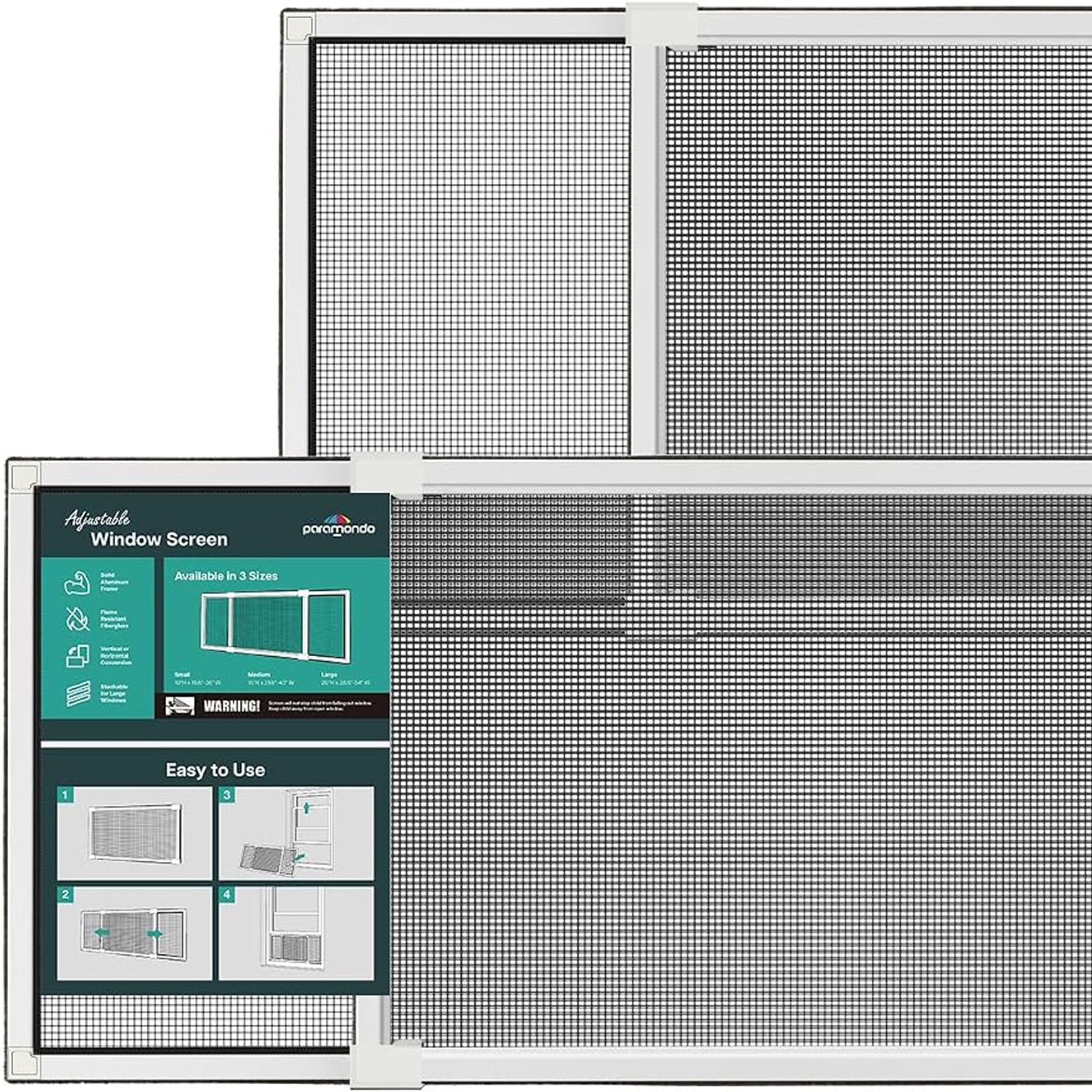
An expandable window screen takes a different route. It is a self-contained panel that sits inside the window opening and gets held in place by the window itself. No drilling, no brackets, no adhesive. You can fit it in the time it takes to boil a kettle and take it out just as quickly.
How this screen works
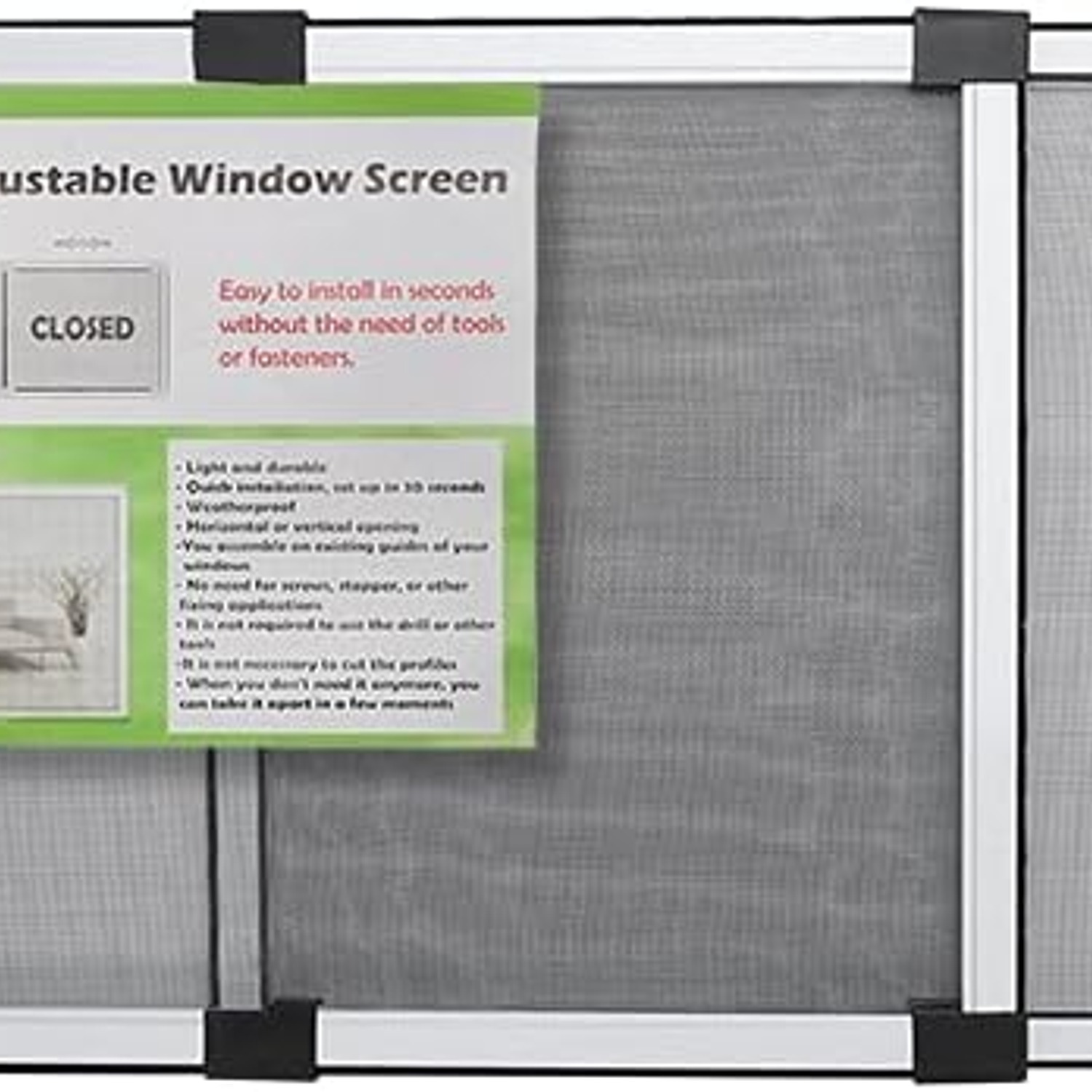
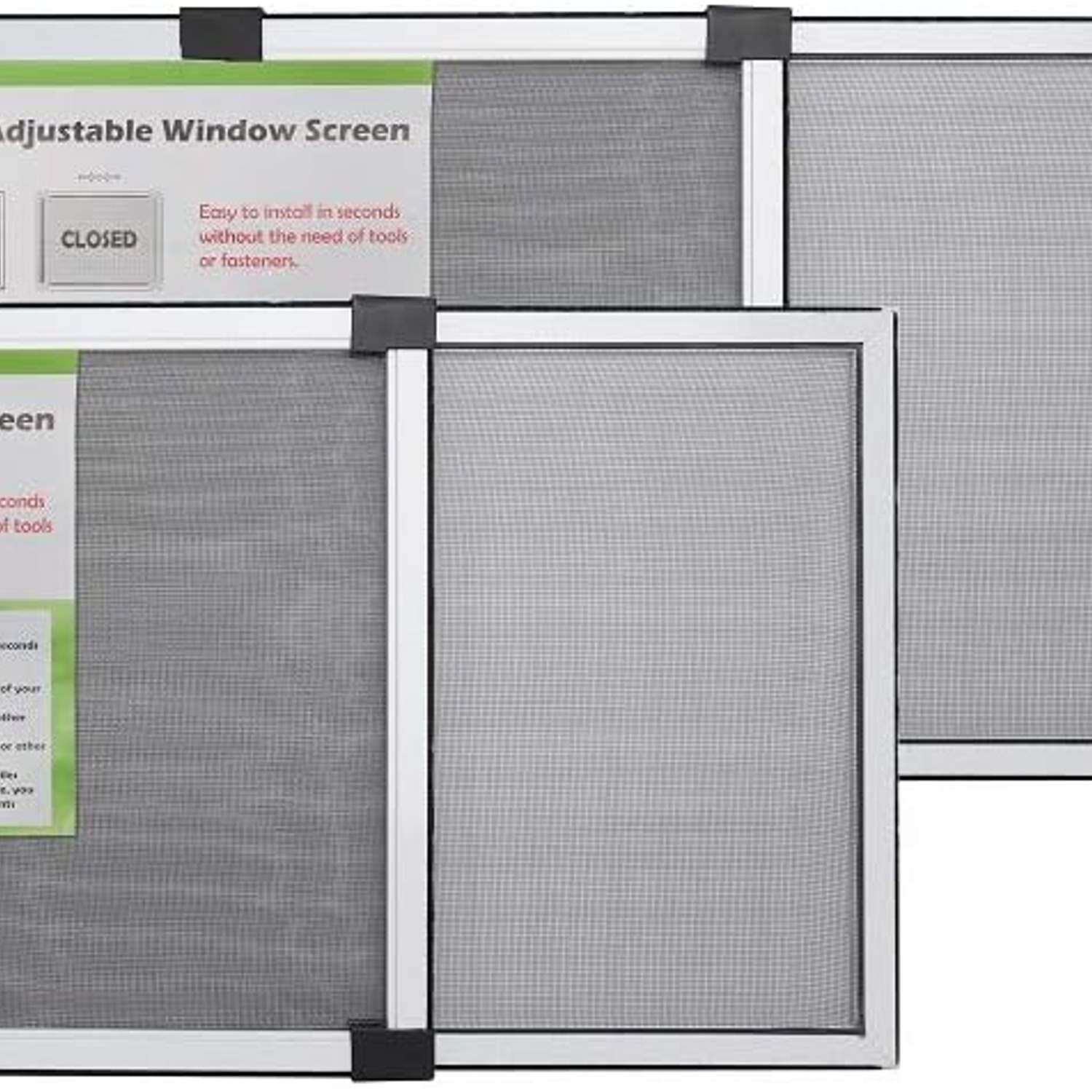
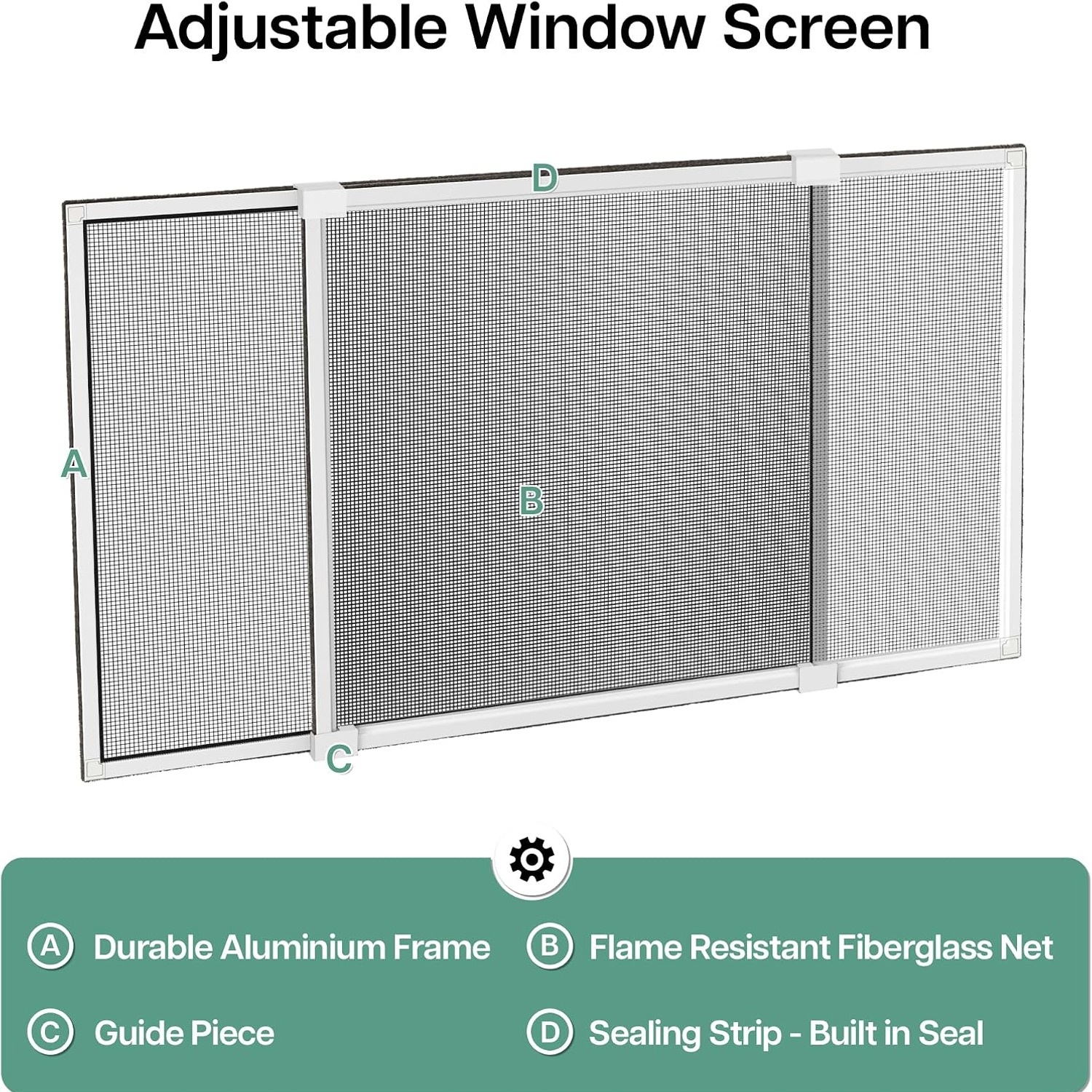
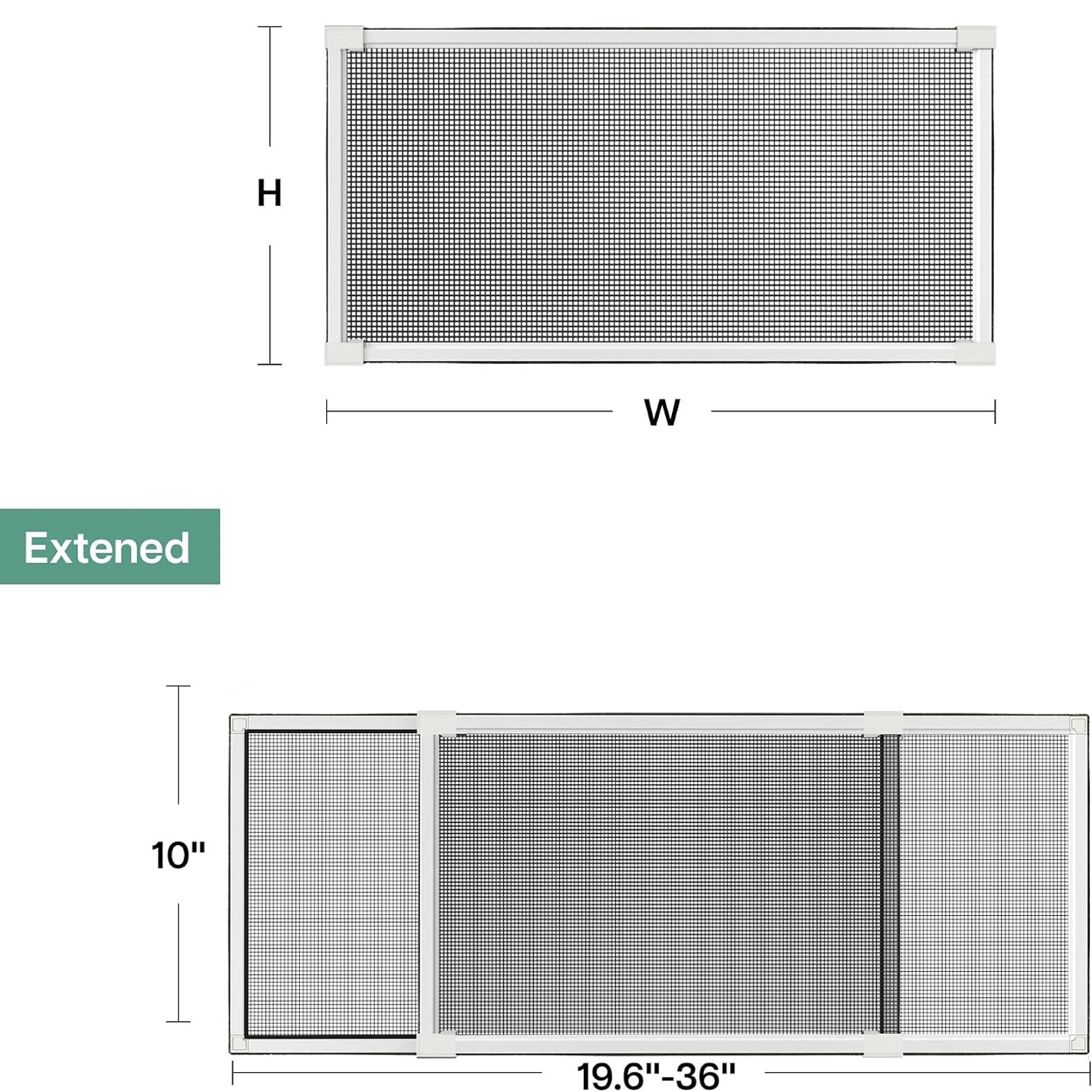
The panel is built in two halves that slide against each other, like a tension rod with a frame around it. Closed, it is 19.6 inches wide. Pulled right out, it reaches 36 inches. Each panel stands 10 inches high.
The frame is aluminum with a powder-coated white finish. Aluminum matters here, because the whole thing depends on the frame holding its shape when stretched to width. A flimsy channel bows in the middle and leaves gaps at the corners, which is exactly where insects get in.
The mesh is high-density fiberglass in black. Fiberglass has been the standard for insect screening for decades because it stays flexible instead of creasing, and it does not rust. Black is the sensible color choice, since it drops out of view when you look through it in daylight.
Along the top and bottom edges there is weatherstripping. That strip does two jobs. It squashes down to take up small gaps where a sill is rough or not perfectly level, and it cushions the contact between the sash and the metal frame so nothing is grinding together.
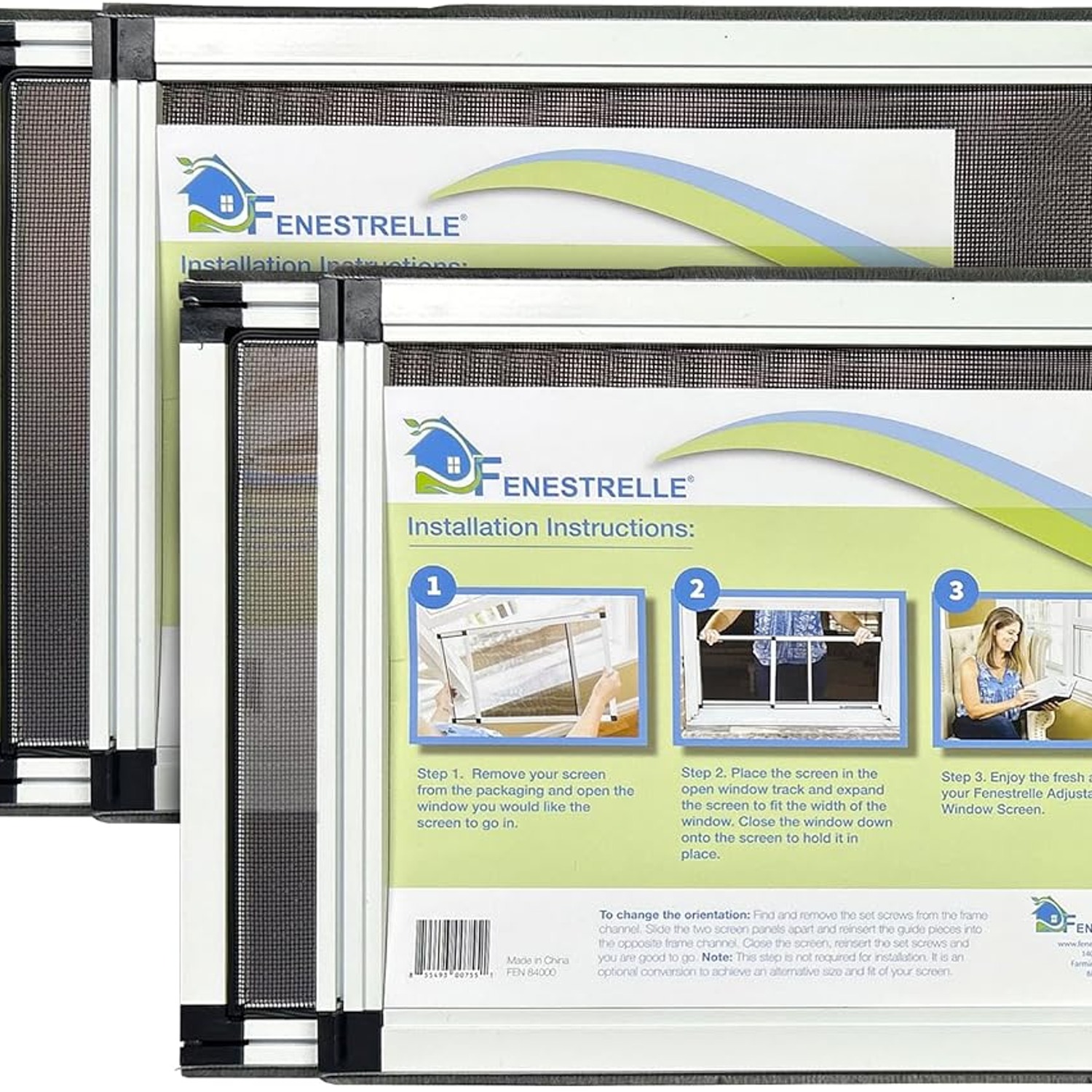
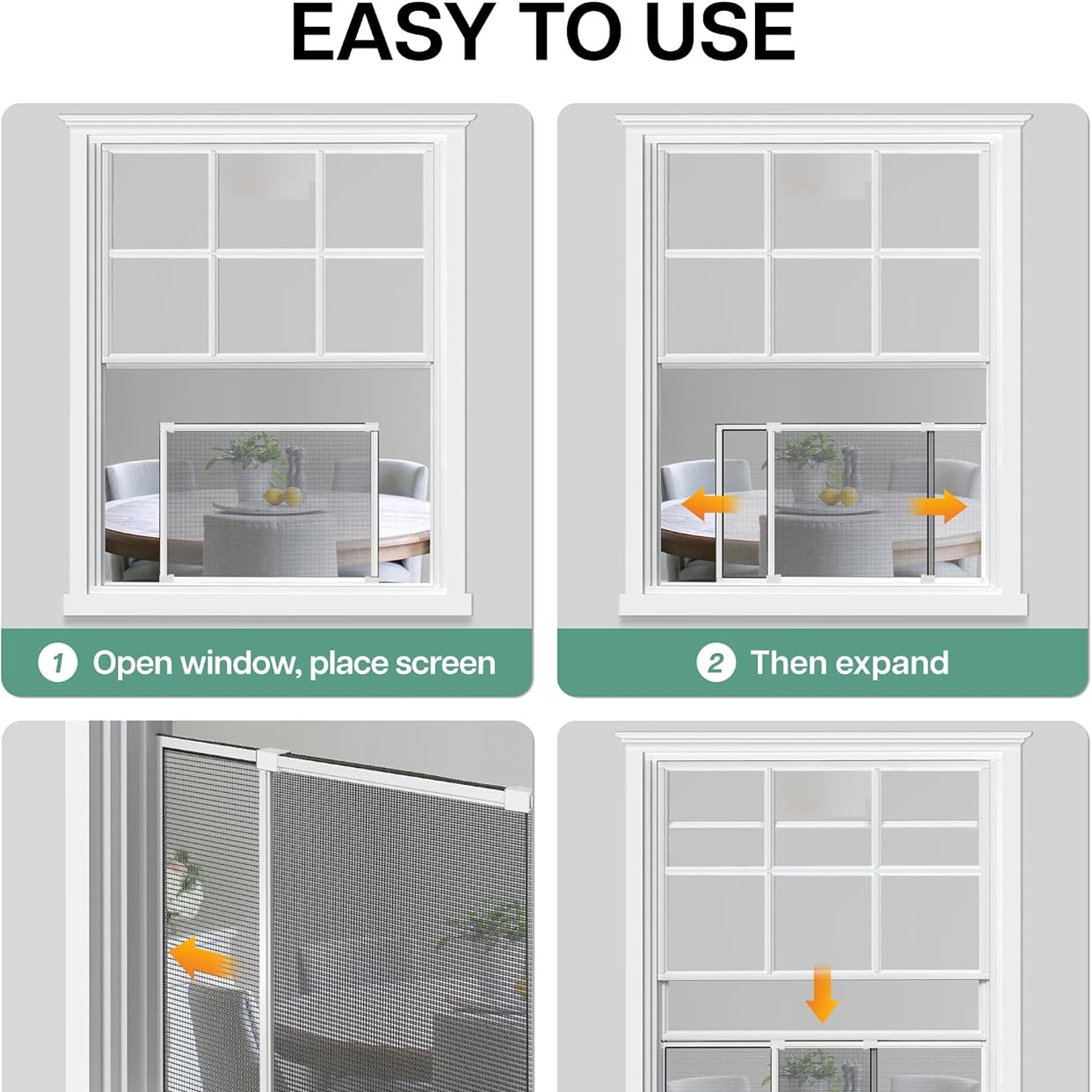
Fitting it goes like this. Open the window. Set the panel on the sill. Pull the two halves apart until each end meets the side of the opening. Lower the sash onto the top of the frame. The weight of the closed window is what holds everything in place. That is the entire installation.
Who it suits
Renters are the obvious group. If you cannot put a hole in the window frame, your options narrow fast, and this is one of the best no tools window screen approaches available. It leaves no trace at all.
It also suits people who only want screening for part of the year. Fit the panels in spring, pull them out in fall, store them flat in a cupboard. Nothing stays bolted to the house through months when you do not need it.
Then there is the stopgap case. An existing factory screen gets torn by a branch or a pet, and getting a proper replacement made takes weeks. Dropping in an expandable panel keeps the bugs out in the meantime. It is not a permanent part, but it buys you time.
Finally, the two-pack is genuinely useful. Most people do not have just one window they want open. One panel in the bedroom and one in the bathroom covers the two rooms where airflow matters most, or you can stack both in a single tall opening.
Measuring before you buy
This is where most disappointment comes from, so take the extra minute.
Measure the inside width of your window opening at the sill, not the outside of the trim. You want that number to sit between 19.6 and 36 inches. If it is under 19.6, the panel will not compress far enough. If it is over 36, you will have a gap at one end, and a gap means insects.
Then check height. You need at least 10 inches of clear opening for the panel to stand in once the sash is raised. If your window only lifts a few inches, you will not be able to fit it.
Look at the sill surface too. Weatherstripping handles small irregularities, but a sill with a big lip, a deep slope or a protruding fitting may stop the frame sitting flat. Run your hand along it and see.
One last thing worth knowing. The panels can be reconfigured to sit vertically, which some people want for sliding windows. It involves overlapping the two panels, removing four guide pieces, turning them around and refitting them. The maker is upfront that this is only worth attempting if you are comfortable with that kind of fiddly work. For most buyers, the horizontal fit on a double hung window is what the screen was designed to do and what gives the neatest result.
Living with it day to day
Once the screen is in, the window stays at whatever opening you set. To move the sash, lift it, which releases the panel, then reset the screen when you are done. After a week it becomes automatic.
A few honest limits. This is an insect screen, not a security device. It lifts out, so it does not add any protection against anything other than bugs. It is also not pet-proof. Fiberglass mesh will deform or tear if a cat decides to lean on it, so pick a window the pet cannot reach, or keep an eye on things.
Airflow does drop slightly compared to a bare open window, because any mesh does that. The high-density weave is designed to keep the restriction modest, and in practice you notice the breeze far more than you notice the mesh.
Keeping it clean
The mesh collects dust and pollen the same way any screen does. A soft brush or the brush head on a vacuum, worked gently from the middle outwards, lifts most of it. Work outwards rather than pressing in, so you are not stretching the weave.
For anything greasier, a cloth with mild soapy water does the job. The frame gets the same treatment, a damp cloth and a little detergent, then dried off. Keep solvents, bleach and scouring pads away from the powder coating, because once that finish is scuffed it will not recover.
Give the sliding channel a wipe now and then too. Grit in the track makes adjustment stiff and can score the metal over time.
If you store the screens over winter, lay them flat or stand them upright somewhere dry. The thing that ruins a stored screen is something heavy getting leaned against the mesh for four months.
The short version
If you want air through a double hung window without insects coming along for the ride, and you either cannot or do not want to drill anything, this is a direct answer. Two panels, 10 inches high, adjusting from 19.6 to 36 inches wide, with an aluminum frame and fiberglass mesh.
Measure your opening width first. That single number decides whether this works for you. Everything else, the no-tools fit, the weatherstripped edges, the light weight, is about making the job quick enough that you actually do it instead of putting it off for another summer.