
The complete guide
How to Choose a Screen Door Closer That Actually Holds Open
The small annoyance that never goes away
A screen door closer is one of those bits of hardware you never think about until it misbehaves. Then you think about it every single day. The door slams on your heel. It swings shut while your hands are full of shopping. The little metal washer on the rod will not catch, and when it finally does it pinches a finger. Somebody in the house starts propping the door with a brick.
None of that is a big problem on its own. Added up over a few years, it is genuinely irritating, and it is also hard on the door. A storm door with a glass insert that slams repeatedly will loosen its hinges, rattle the frame and eventually crack a seal. Replacing the closer is cheap. Replacing the door is not.
This guide covers what a closer does, why the hold open mechanism is the part that matters most, and how to pick one that suits your door.
What a door closer is doing
The job looks simple. The closer pulls the door shut after you pass through. Underneath that, it is managing two separate things.
The first is force. The closer has to be strong enough to pull the door fully into the frame against the weather seal, but not so strong that a child cannot get out. The weight of the door sets the requirement. A light aluminum screen door needs very little. A full view storm door with a heavy glass insert needs a lot more.
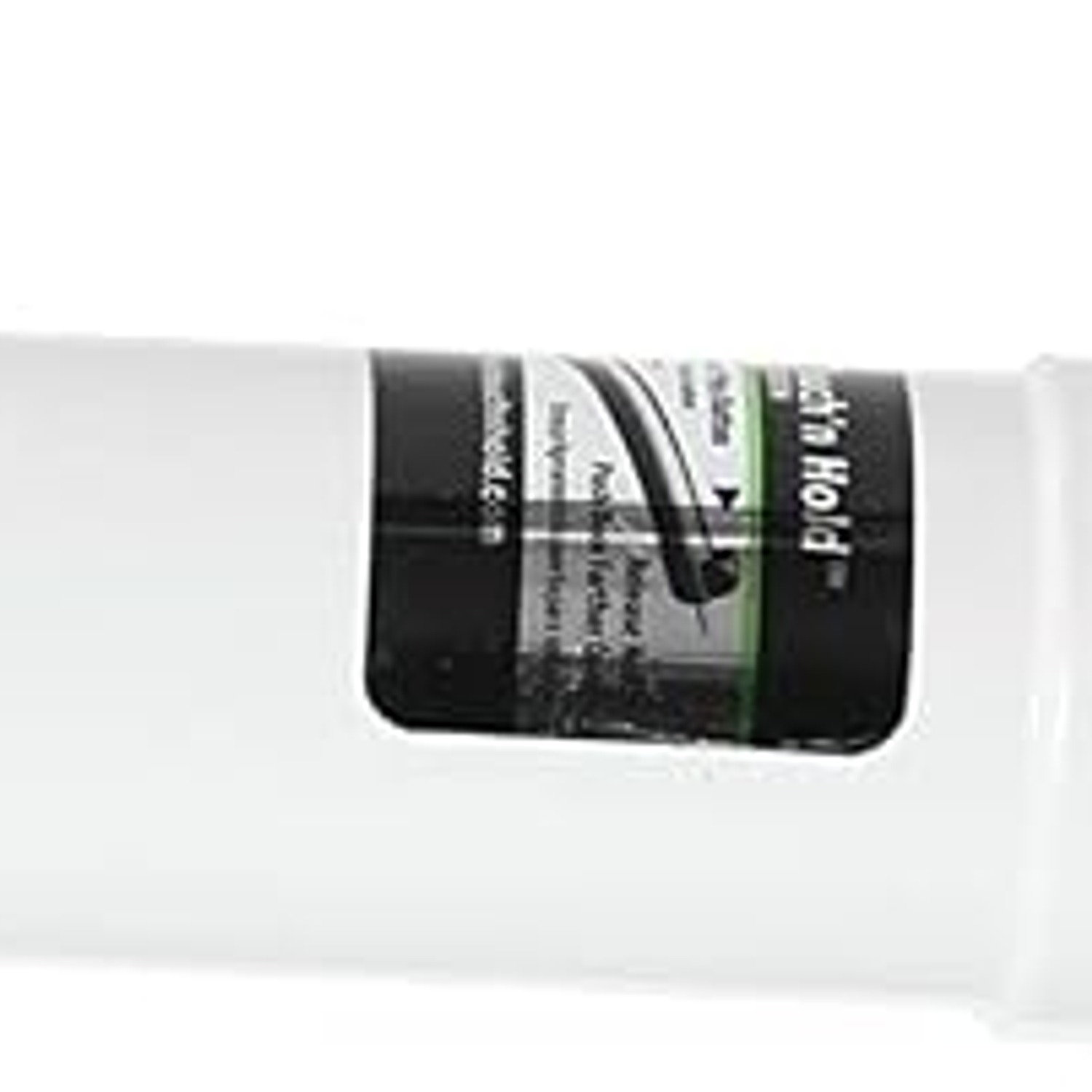
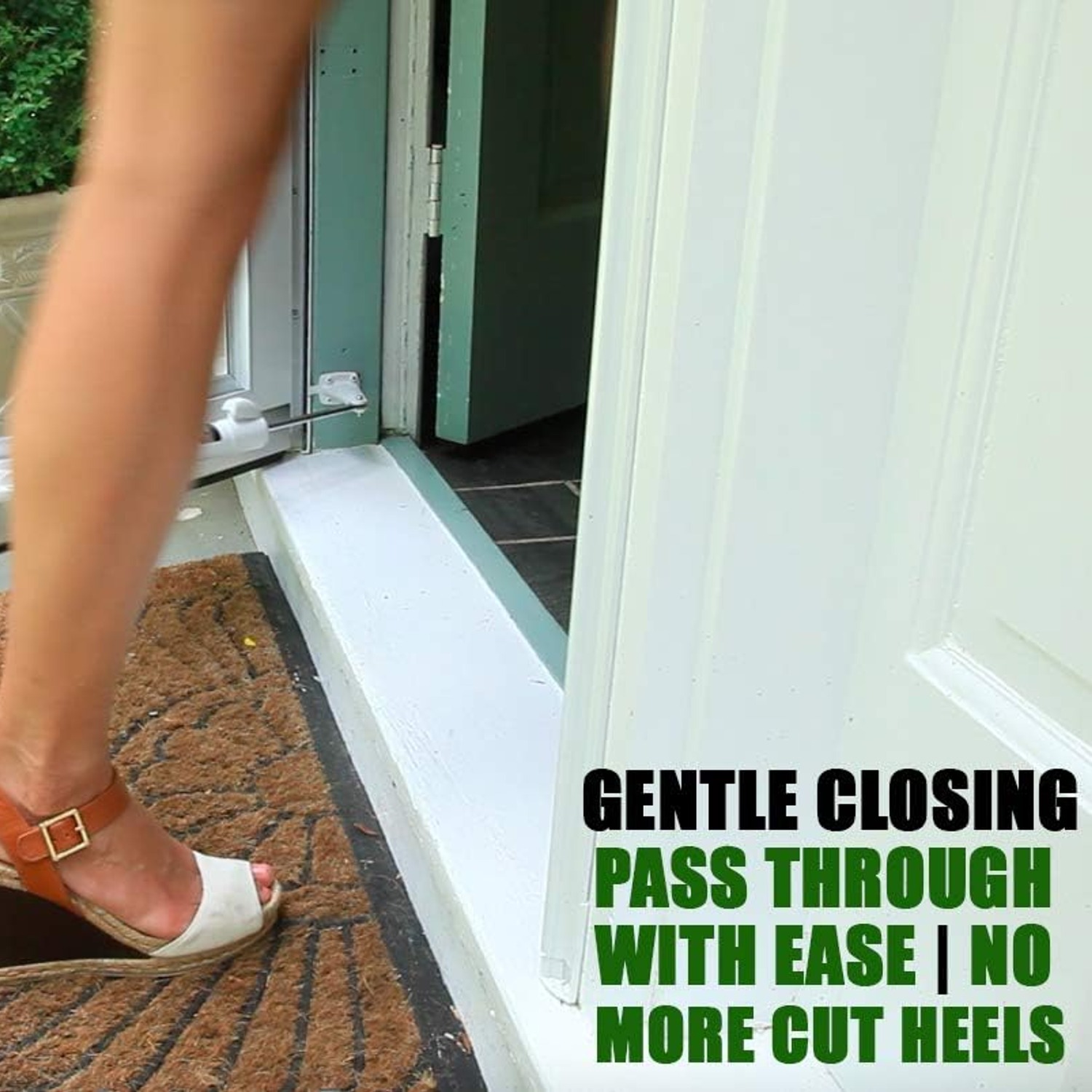
The second is control. The last few inches of the swing are where a bad closer shows itself. It either slams the door into the frame or it lets the door bounce back off the seal and sit half open. Smooth closing designs, like the one used in this Green Star unit, deal with that end of the swing properly so the door settles rather than crashes.
A good closer does both jobs quietly, year after year, and you stop noticing it again.
Why the hold open is the deciding feature
Ask anyone who has lived with a screen door what annoys them most and it will not be the closing. It will be getting the thing to stay open.
The traditional design uses a washer on the piston rod. You slide it along, swing the door, and hope it catches. It catches at one position, usually not the one you wanted. You have to bend down to reach it. It has sharp edges. It fails more often than it works, and when it works you then have to bend down again to release it.
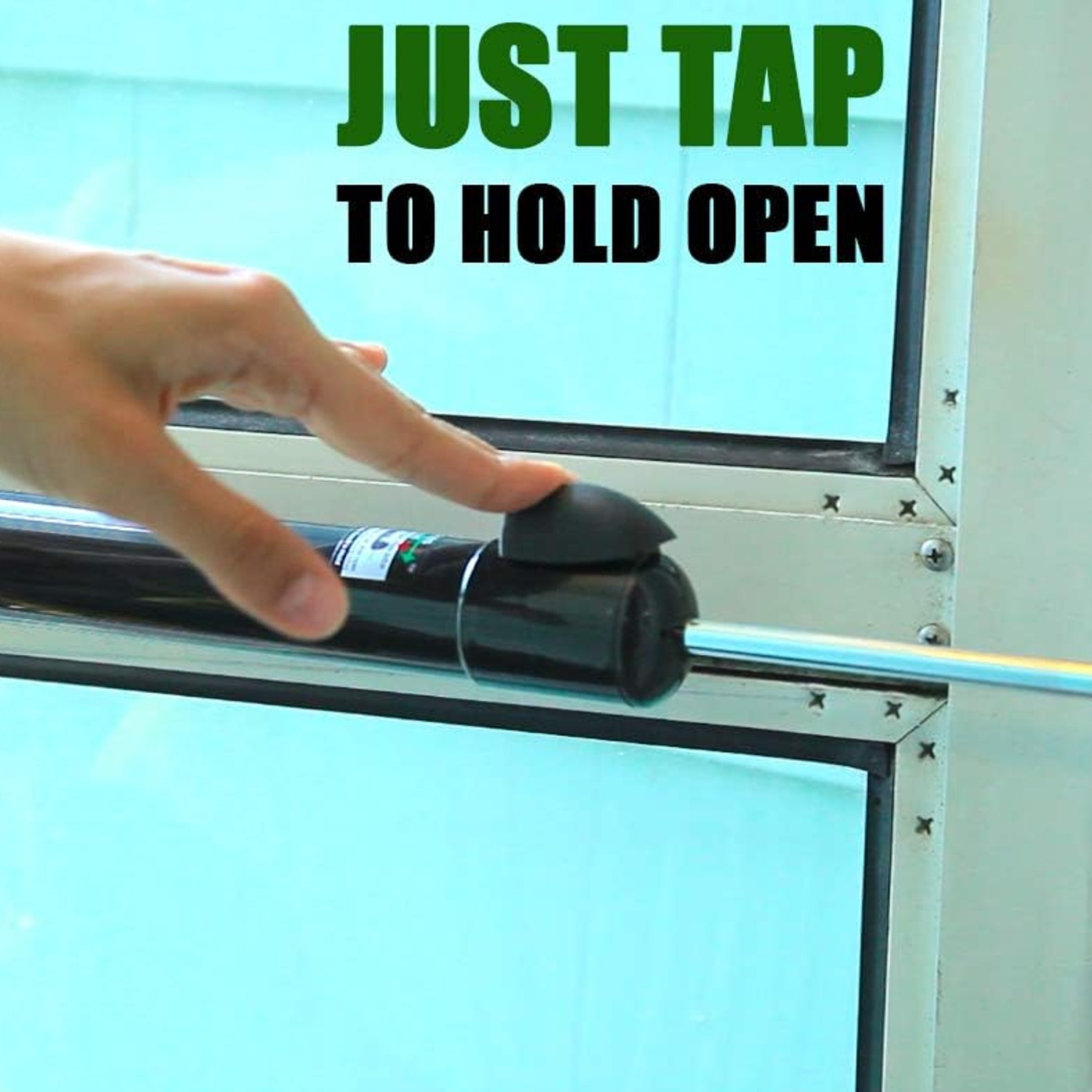
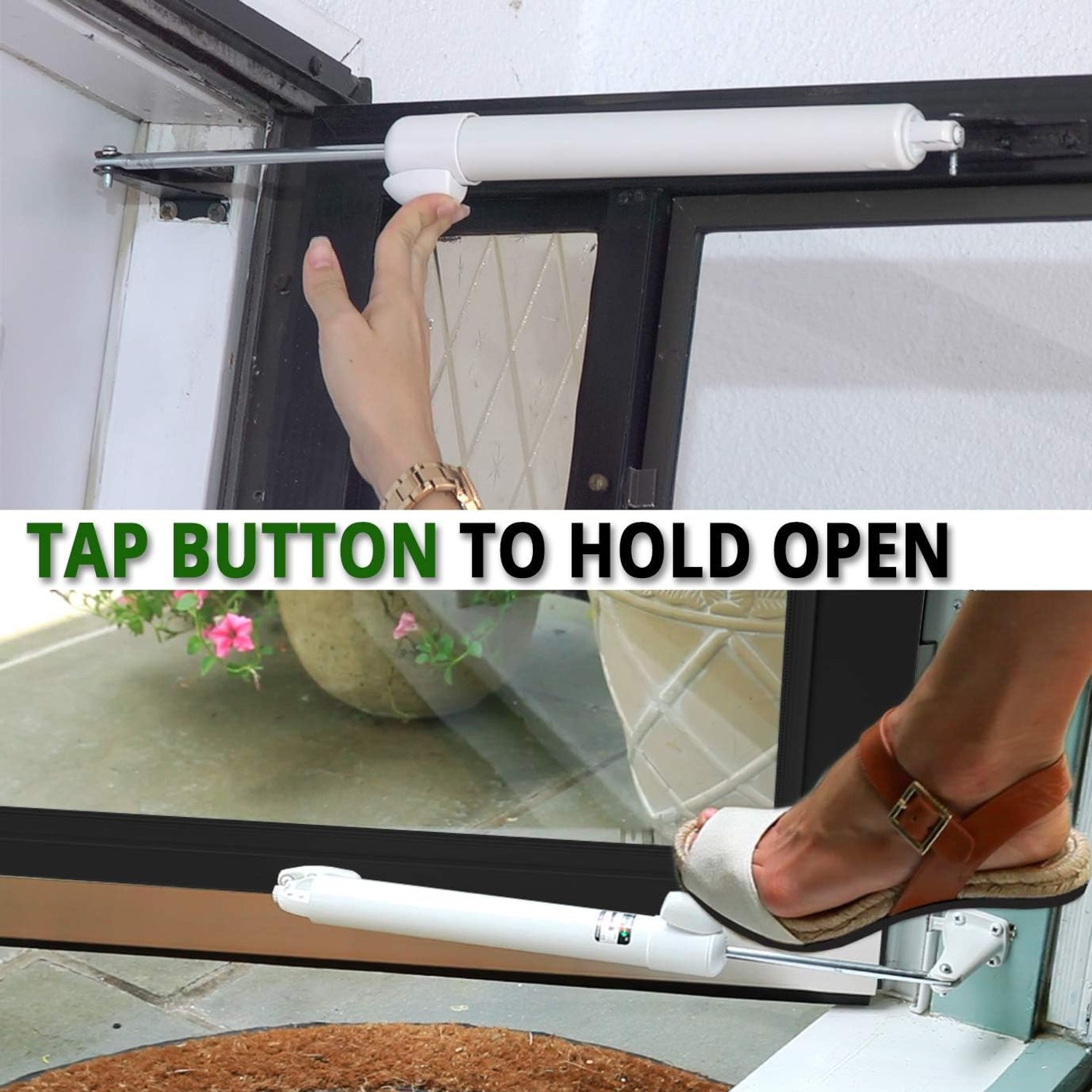
The touch button approach solves this by removing the fiddly part entirely. Open the door wherever you want it, tap the button, walk away. The door stays. When you want it closed, push the door a little further open and the hold lets go on its own. You do not press the button again, because the button is only there to set the hold.
That one change in interaction is the difference between a feature you use daily and a feature you gave up on years ago. If you are shortlisting the best touch button door closer options, make sure the release is this straightforward, because some designs ask you to reach back into the mechanism.
Matching the closer to the door
Before you buy anything, look at your door honestly.
Weight is the first thing. Pick the door up slightly on its hinges if you can, or just think about how it feels when you push it. A plain screen with a mesh panel is light. A full view door with a large glass insert is heavy, and this model is recommended for exactly that type of door.
Count the mounting points next. Many heavier doors are built for two closers, one near the top and one lower down, so the load is shared and the door does not twist as it swings. If yours has two sets of bracket holes, plan on two units. This kit covers a single door position.
Check the frame condition. A closer is only as solid as what it screws into. If the existing screw holes are stripped or the frame is soft with corrosion, sort that out first, or the best storm door closer in the world will tear loose in a month.
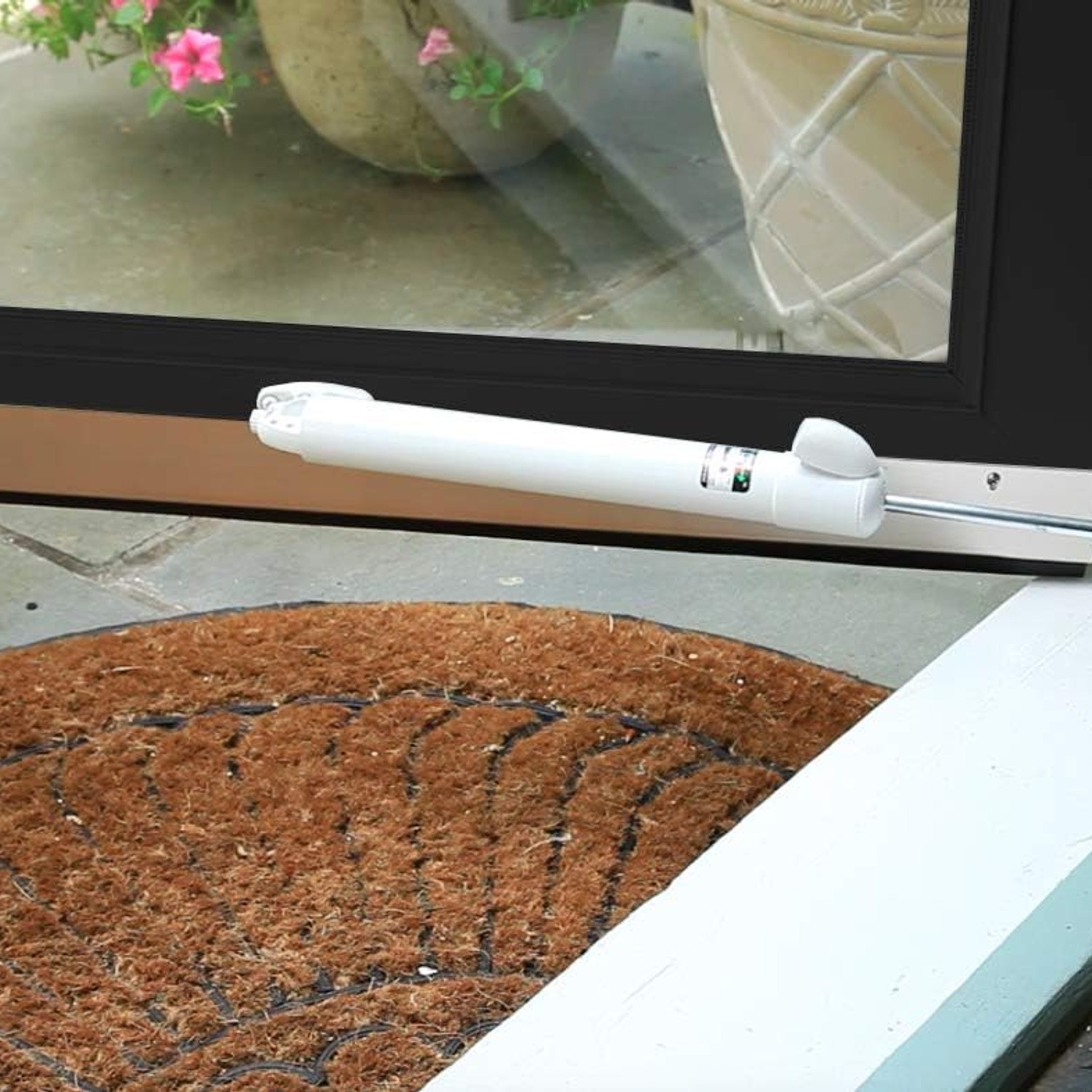
Finally, look at color. White is the standard finish on most storm and screen door frames, which is why a white door closer is the version most people need. Hardware that matches the frame disappears. Hardware that contrasts looks like a repair.
Fitting it without drama
Screw-in installation is about as simple as hardware gets, but a few habits make it go smoothly.
Measure twice before you drill. Bracket placement differs between door brands, so follow the instructions in the pack rather than copying a photo online. If you are replacing an existing closer, the old bracket holes are often reusable, which saves a lot of work.
Have someone hold the door steady while you mark positions. A door that swings while you are marking will give you a crooked closer, and a crooked closer binds.
Tighten the screws firmly but stop before you strip the thread, especially in aluminum. If a hole is already stripped, move the bracket slightly or use a slightly larger screw rather than forcing the original.
Once it is on, open and close the door ten or fifteen times. Check that it pulls fully shut against the seal, that the hold catches when you tap the button, and that nothing rubs. Small adjustments now save you a job later.
Living with it
Maintenance is close to nothing, which is as it should be for outdoor hardware.
Wipe the body down when you clean the door. Keep the piston rod free of dust and cobwebs, because grit dragged into the mechanism is the main thing that shortens a closer's life. Do not oil the rod unless the instructions specifically ask for it, since oil holds dust on an outdoor fitting.
Once or twice a year, check the mounting screws. Doors vibrate, screws loosen, and a loose bracket is behind most closers that suddenly start behaving badly. Tightening four screws often fixes what looks like a broken unit.
In strong wind, close the door properly rather than relying on the hold. A hold open function is designed for everyday convenience, not for a storm. If your door is exposed, a separate wind chain limits how far the door can fly open and takes the strain off the hinges.
A note on expectations
A door closer is a mechanical part installed to a door that gets used thousands of times a year, often in sun, rain and cold. It will not last forever. What you are buying is a few years of a door that behaves, for a fraction of the cost of door repairs.
The useful test is this. After a month, do you still notice the closer? If the answer is no, because the door opens when you want and shuts when you want and nobody is hopping over the threshold anymore, it has done its job.
The short version
If your screen or storm door slams, bounces or refuses to stay open, the closer is the part to replace, not the door. Look for a model rated for your door's weight, a smooth closing action for the final inches, and a hold open mechanism you will actually use.
This Green Star Touch 'n Hold closer handles all three. Tap the button to hold the door open at any position. Nudge the door further open to release it. It screws in for new doors or as a straight replacement, it is finished in white to match most frames, and it is recommended for full view storm doors with heavy glass inserts. For a part this small, it changes how the front of your house feels to walk through.