
The complete guide
How To Choose A Small Pet Screen Door (And Fit It Without Wrecking Your Screen)
The problem with a screen door
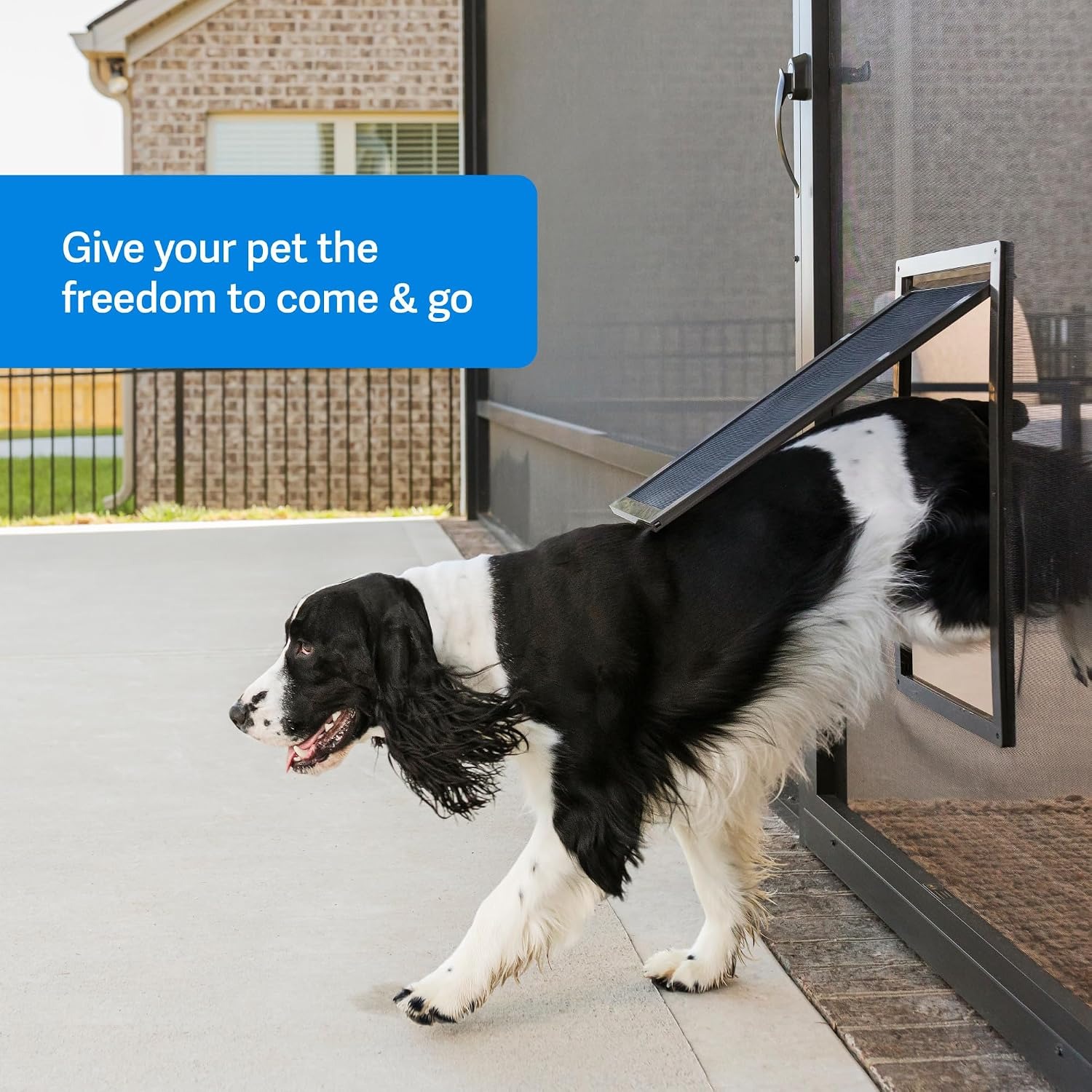
A screen door is a great thing right up until you have a pet. Then it becomes a doorman job. The cat wants out at six in the morning, back in at half past, out again at seven. The small dog sits with their nose on the mesh and waits. You get up, you slide the door, you sit down, and two minutes later it starts again.
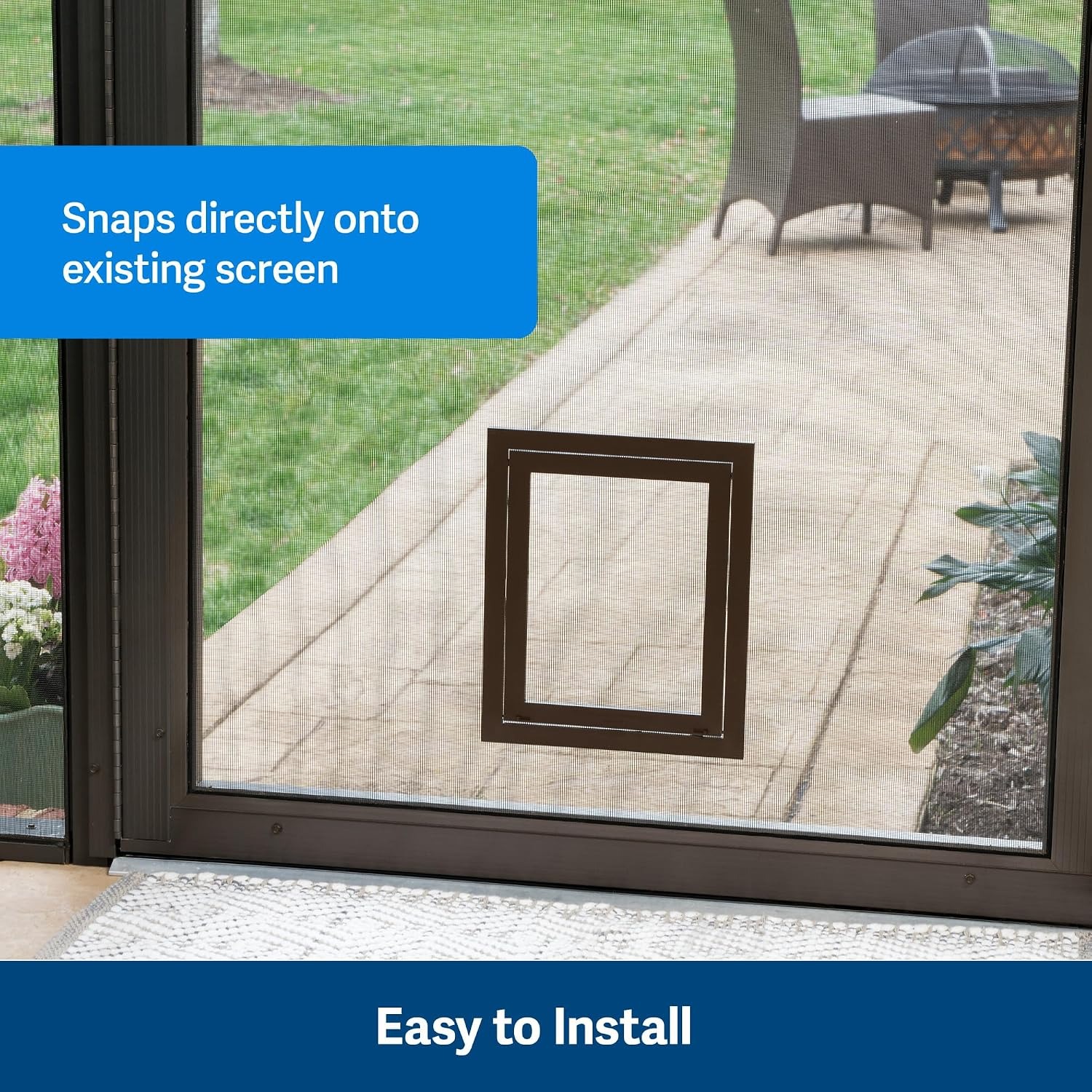
Some people solve this by leaving the screen door propped open, which defeats the point of having one. Others cut a pet door into the solid door, which is a bigger job, costs more, and is often not allowed if you rent. A pet screen door small enough to snap into the mesh you already have sits neatly between those two options. It takes half an hour, costs very little, and gives your pet a door of their own.
How a screen pet door actually works
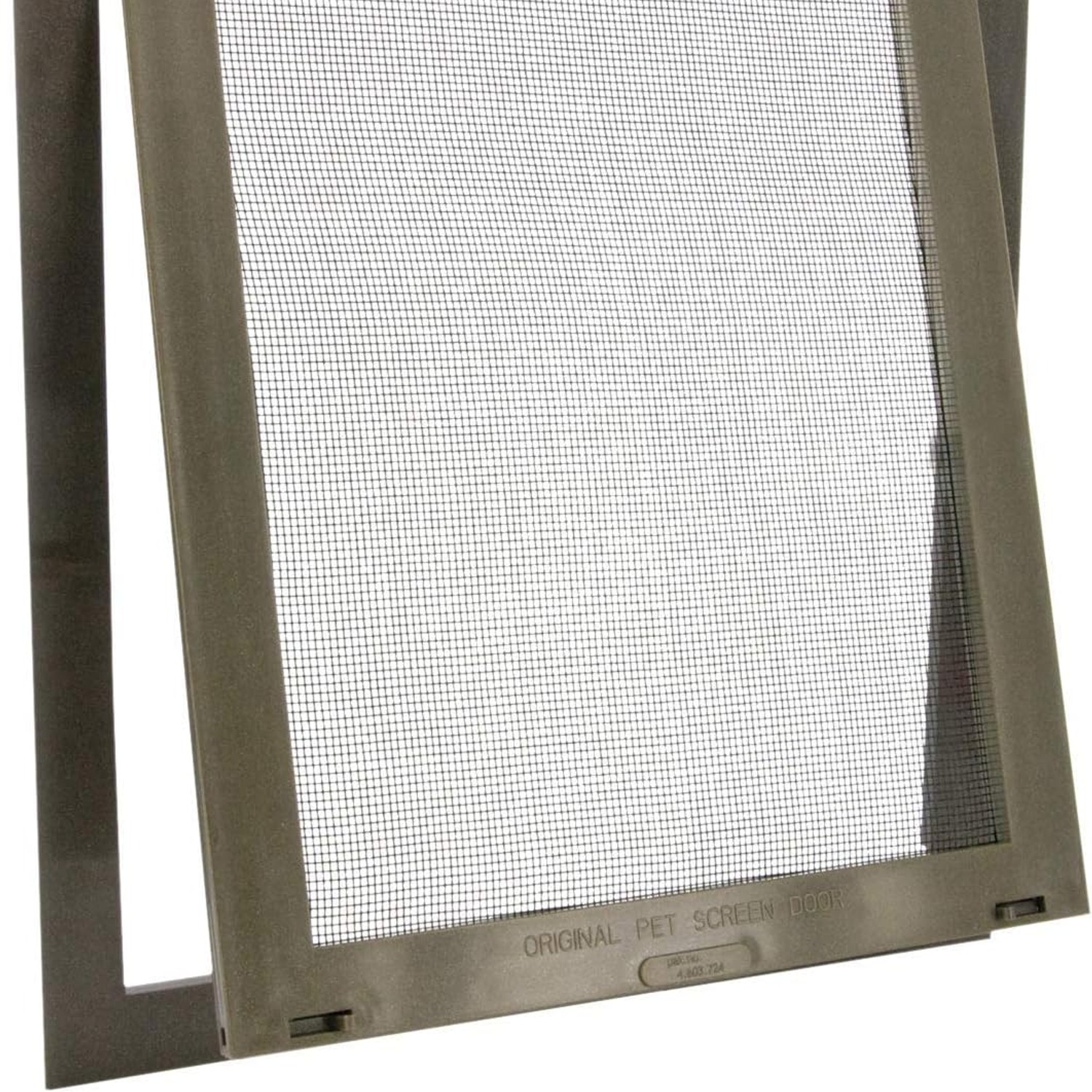
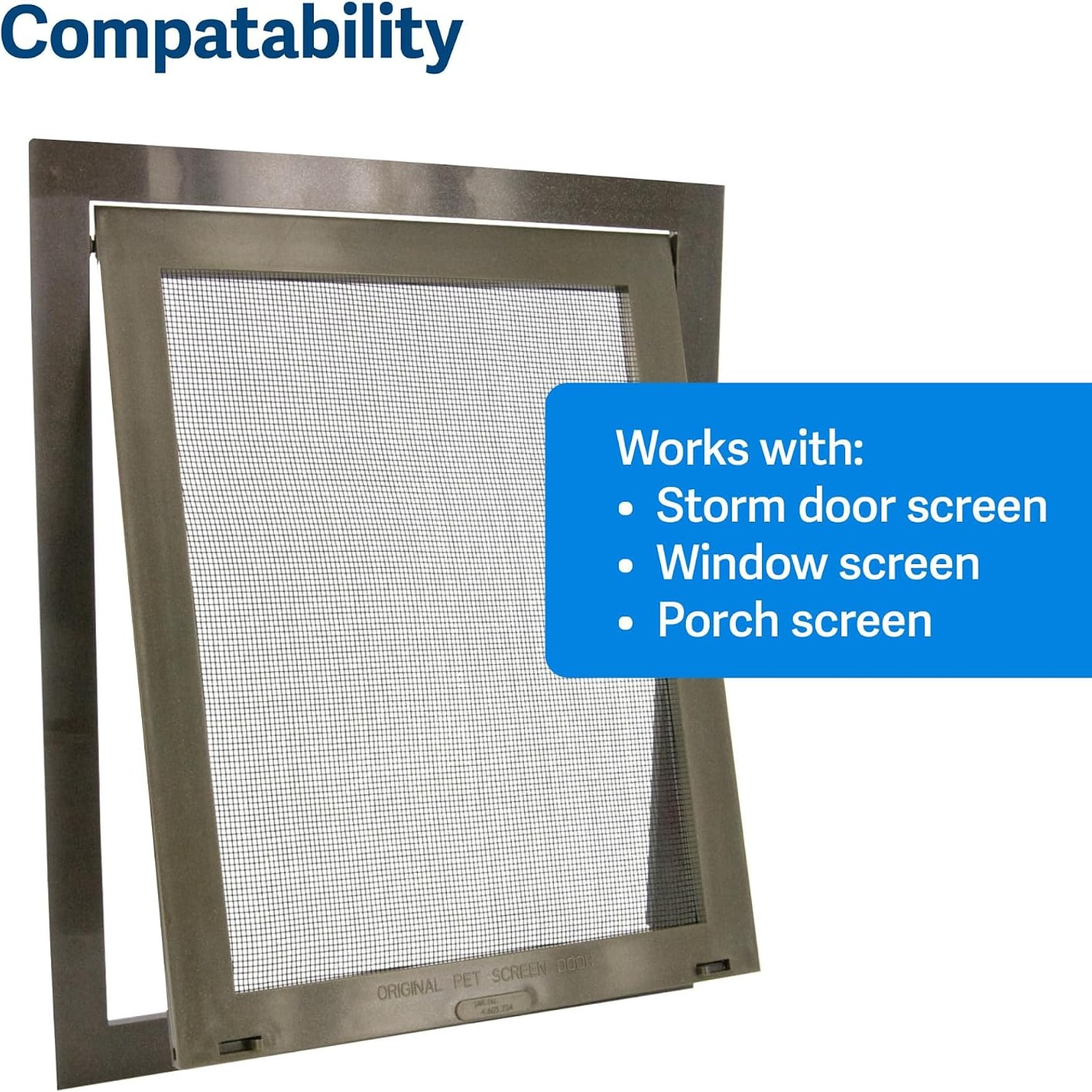
The mechanism is deliberately simple. There is an exterior frame and an interior frame. You cut an opening in the screen mesh, put one frame on each side, and snap them together so the cut edge of the mesh is clamped between them. Flat-head screws, included in the box, lock the two halves in place.
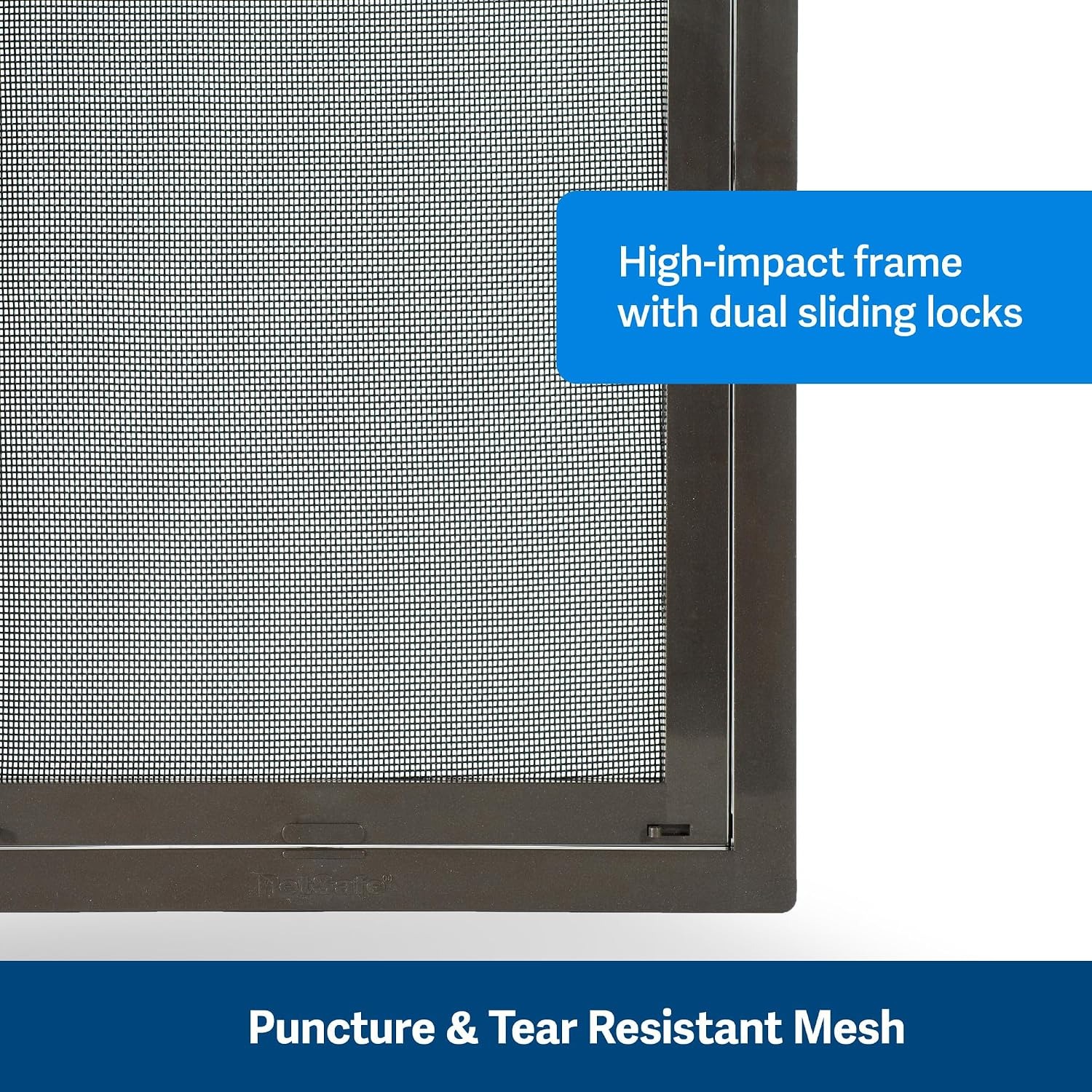
Hanging in the interior frame is the flap. On this model the flap is mesh rather than solid plastic, which is why the finished job tends to blend in. From a few steps back you mostly see screen. The mesh is made to resist punctures and tears, which matters because a flap gets hit by claws, noses and the occasional enthusiastic shoulder several times a day.
Two sliding locks are built into the interior frame. Slide them across and the flap will not open. That is the part most owners end up appreciating more than they expected. It means the door is open on your terms, not just the pet's.
Who it suits
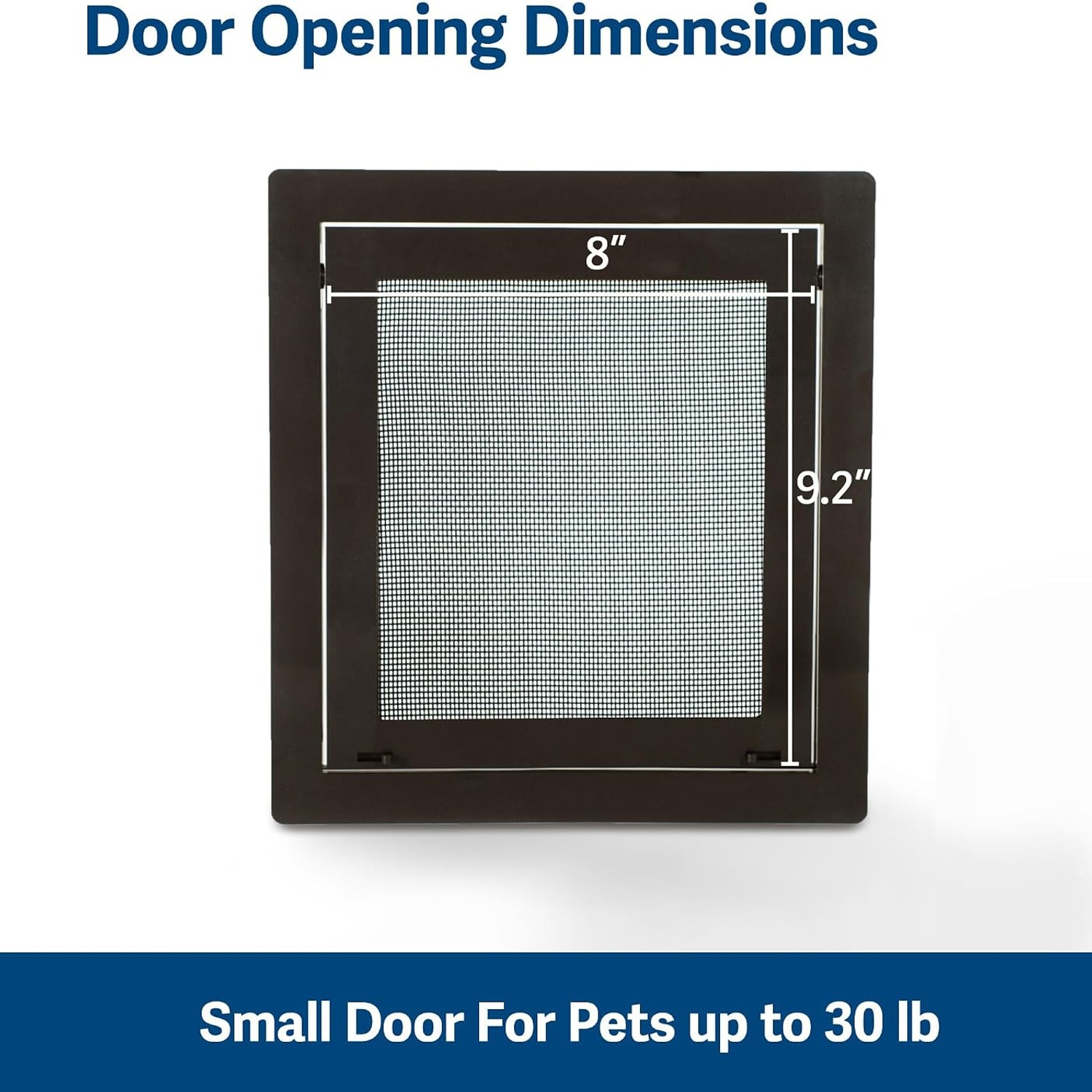
This is the small size. The flap opening is 8 inches wide by 9 1/4 inches high, and the door is rated for pets under 30 pounds. In practice that covers nearly every house cat and a decent range of small dogs.
Cats are the easiest case. An average cat clears an 8 inch width with room to spare, and most will work out the flap within a day or two. If you have a notably large cat, measure anyway.
Small dogs need a closer look. Weight is only half the story. A compact dog can still be broad across the chest, and a dog that has to flatten itself to get through will stop bothering. Measure the widest point across the shoulders, add a couple of inches of breathing room, and compare that against the 8 inch opening. Then measure from the floor to the top of the shoulders and check against the 9 1/4 inch height.
It is also worth thinking about where your pet will end up. A screen door opens to a yard, a balcony, a porch or a deck. Make sure that space is safe and fenced before you give an animal unsupervised access to it. The best DIY pet door in the world is a bad idea if it opens onto a busy street.
Choosing the right spot
Three things decide the position: your pet's height, the flat area of screen available, and the hardware on the door.
Start with the pet. Set the bottom of the flap just below their belly height so they can step through rather than climb or jump. Too high and they will scrape their chest. Too low and taller pets have to duck.
Next, look at the screen panel. You need a clear, flat rectangle of mesh big enough for the 13 x 9.75 inch frame, with a margin around it. Avoid placing the door right against a cross-brace, a handle, a lock or the edge of the panel, because the frame needs full contact with the mesh all the way around.
Finally, check the door's travel. On a sliding screen panel, make sure the frame will not catch on the track, the jamb or the door stop as it moves. Hold the unit in place and slide the door fully both ways before you cut anything.
Fitting it without ruining the screen
Measure twice, cut once is boring advice and it is also correct. Mark the position in pencil or with a marker that wipes off. Use the frame as your guide and trace the opening rather than guessing the dimensions.
Cut with a sharp utility knife or heavy scissors. Go slightly inside your line to begin with. A hole that is a touch small can be trimmed. A hole that is too big cannot be made smaller, and if it extends past the frame the mesh will fray and sag.
With the opening cut, place the exterior frame from the outside, hold the interior frame against it, and press them together until the snaps engage. Work around the edges evenly rather than forcing one corner first. Then drive the screws. Snug is enough. Overtightening plastic screw bosses is the single most common way people damage a unit like this.
If you rent, keep in mind that replacement screen mesh is cheap and re-screening a panel is a basic job. Many renters fit one of these, enjoy it for years, and re-screen the panel when they move. It is worth a quick word with your landlord first all the same.
Getting your pet to use it
Very few pets charge through a new flap on day one. Expect a short training period and it will go smoothly.
Start by taping the flap up so the opening is just a hole. Sit on the far side and call your pet through with a treat or a favourite toy. Repeat until they walk through without hesitating. Then lower the flap halfway so it brushes their back, and repeat again. Finally, let the flap hang free.
Short sessions, a few times a day, over three or four days, usually does it. Never push a reluctant pet through. One bad experience with a flap snapping back can set training back a week. If your pet is nervous, hold the flap open gently by hand at first so they learn the door moves rather than traps.
Care and the long term
There is almost nothing to maintain. Wipe the frame and flap with a damp cloth and mild soap when they get grubby, then dry them. Skip solvents, bleach and abrasive pads, which scratch and cloud plastic.
Every few months, run a hand over the screws and snaps and tighten anything that has worked loose. Pull hair and grit out of the flap edges so it hangs and seals the way it should. A flap that sticks is usually just dirty, not broken.
Plastic in full sun will age over several years, so if your screen faces hard afternoon sun, expect the frame to need replacing sooner than one on a shaded porch. The unit carries a 1 year limited warranty from the manufacturer, so keep your receipt.
The short version
If you have a cat or a small dog under 30 pounds, a screen door that stays closed, and a safe outdoor space on the other side, this solves a daily annoyance for very little money and very little work. Measure your pet against the 8 inch by 9 1/4 inch opening, pick a flat stretch of mesh away from hardware, cut carefully, and give the training a few patient days.
The locks are the quiet bonus. You get the convenience of a pet door without giving up control of when it is open.