
The complete guide
How To Choose An Expandable Window Screen That Actually Fits
The window you never open
Most houses have one. A bedroom window with no window screen, or a kitchen window where the old screen tore years ago and nobody replaced it. So on a warm night the window stays shut, the room gets close and stale, and you run a fan to push warm air around instead of letting cool air in.
The fix is not complicated. It is a screen that sits in the opening, keeps insects out and comes back out when you want it gone. The reason people put it off is that proper window screens mean measuring, ordering a made-to-size frame, and in a lot of cases drilling into the window surround. If you rent, that last part is a non-starter.
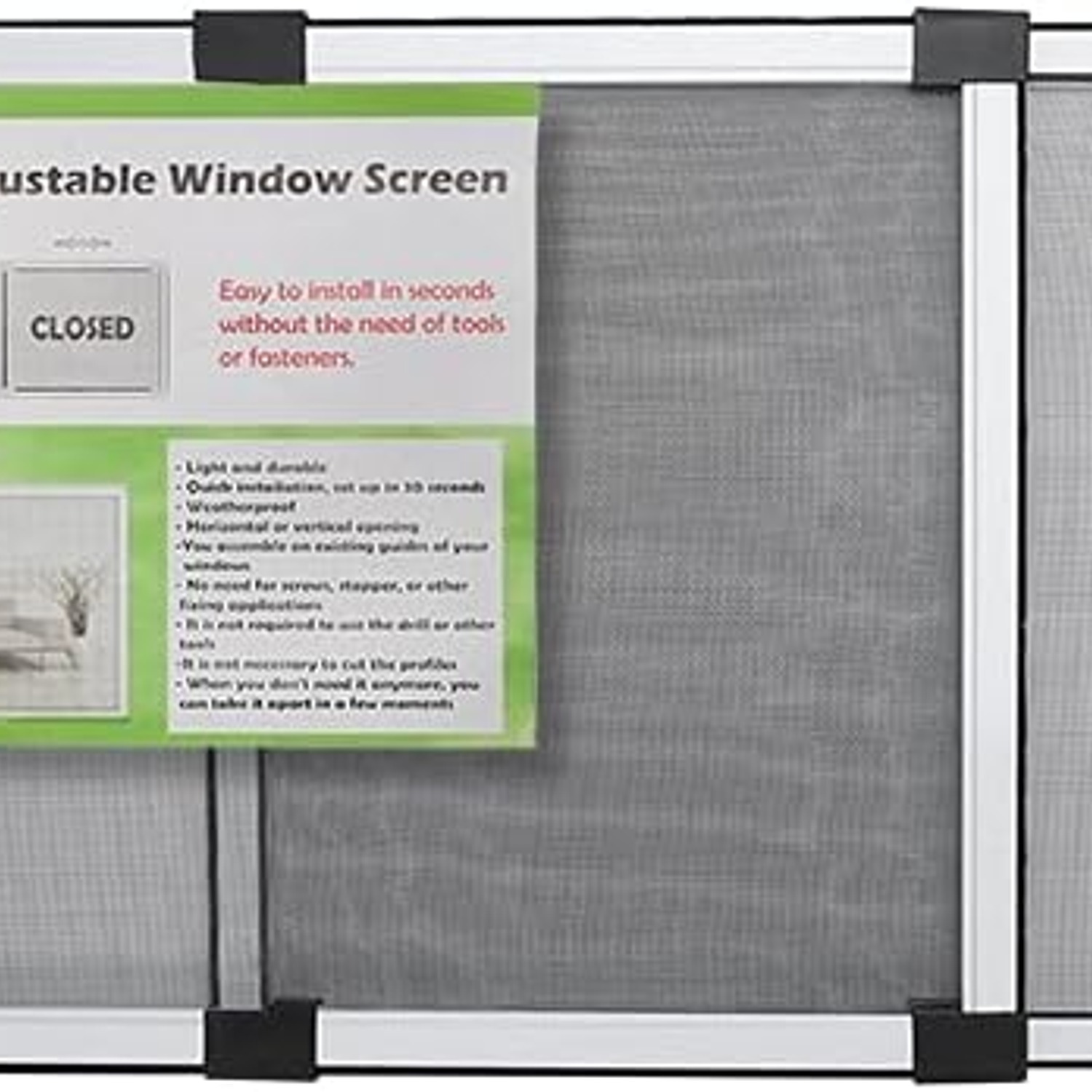
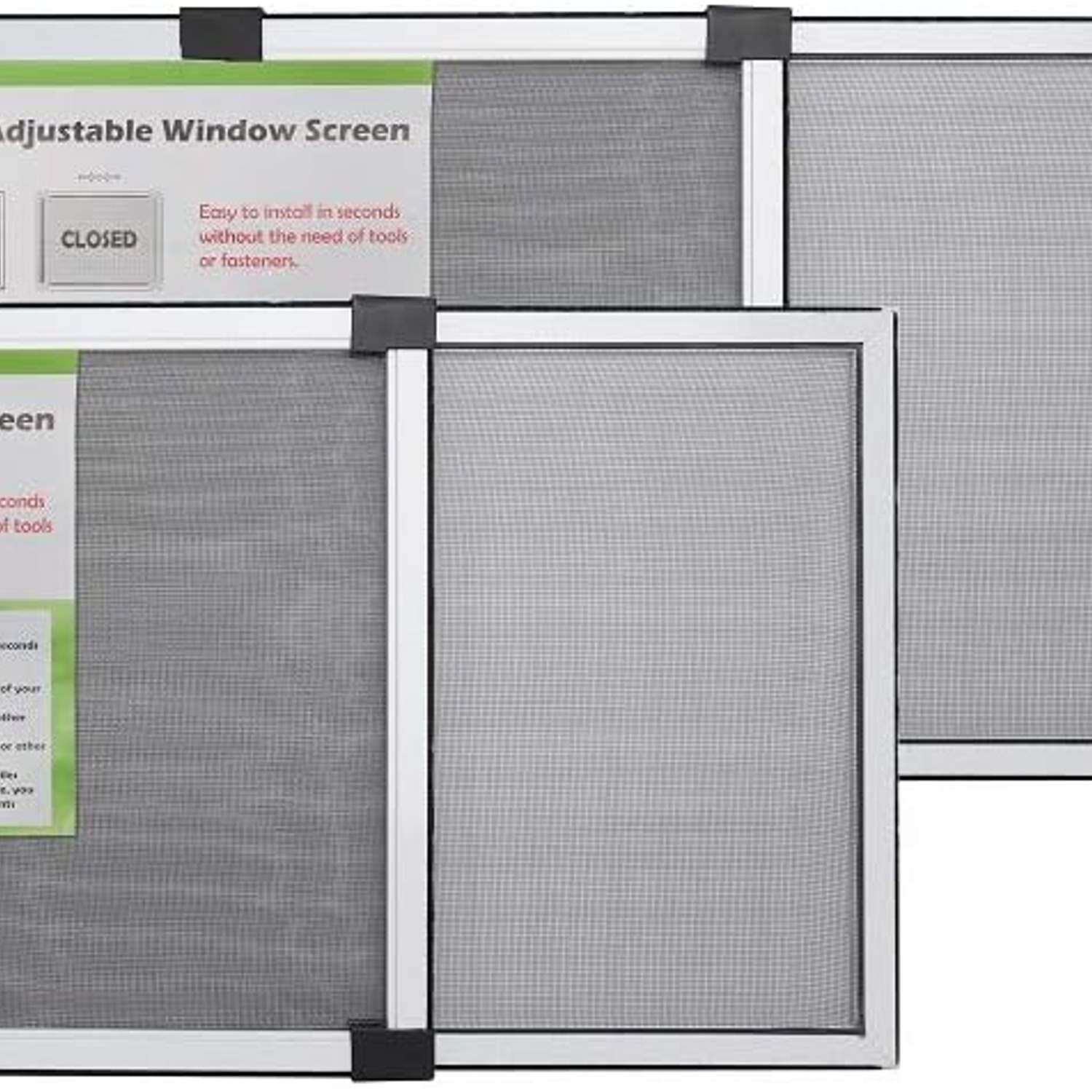
An expandable window screen skips all of it. The frame telescopes, so one screen covers a range of widths rather than a single exact size. It drops into the open window and the sash holds it. No drill, no screws, no holes.
How an expandable screen actually holds in place
The mechanism is simple enough that it is worth understanding before you buy, because it tells you which windows will work.
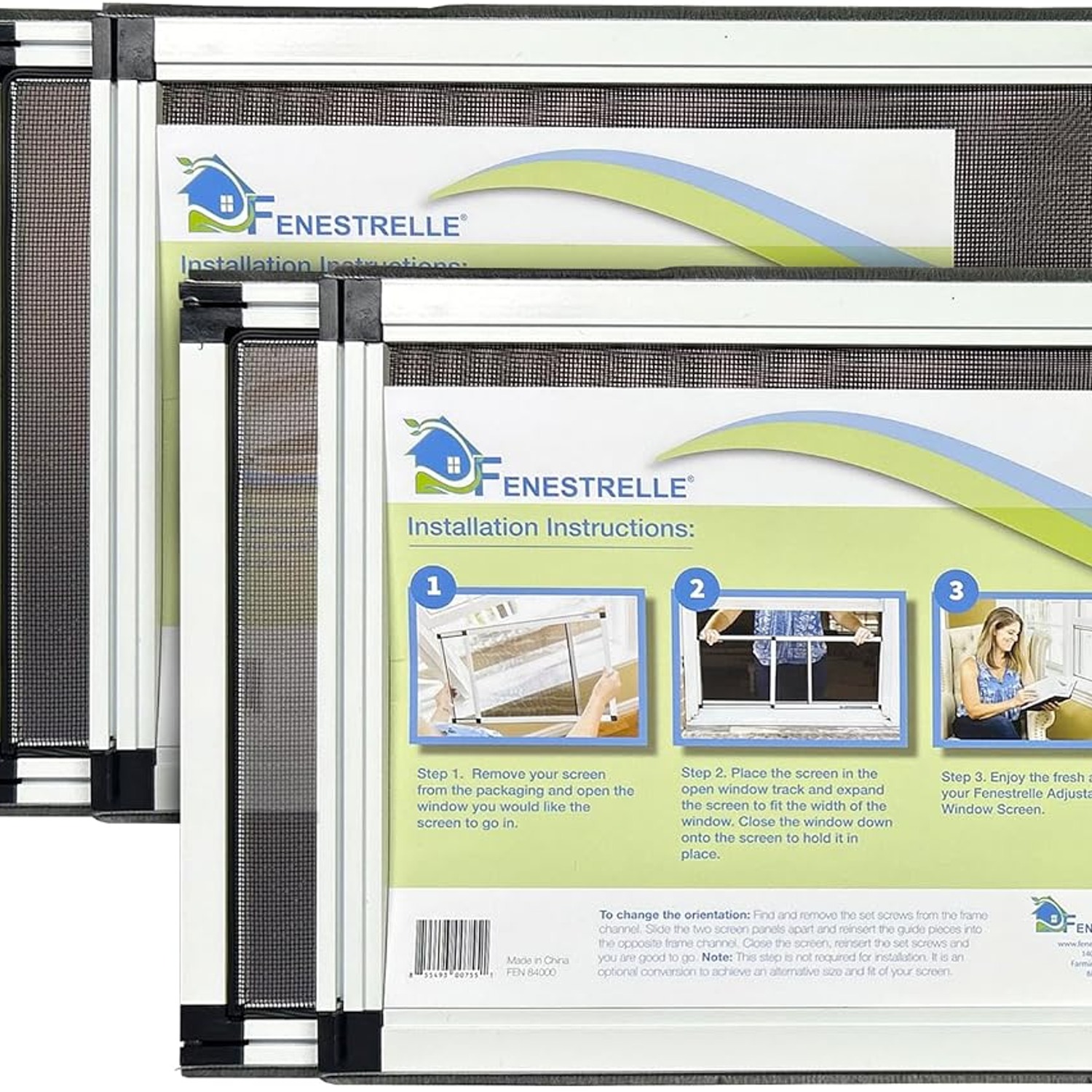
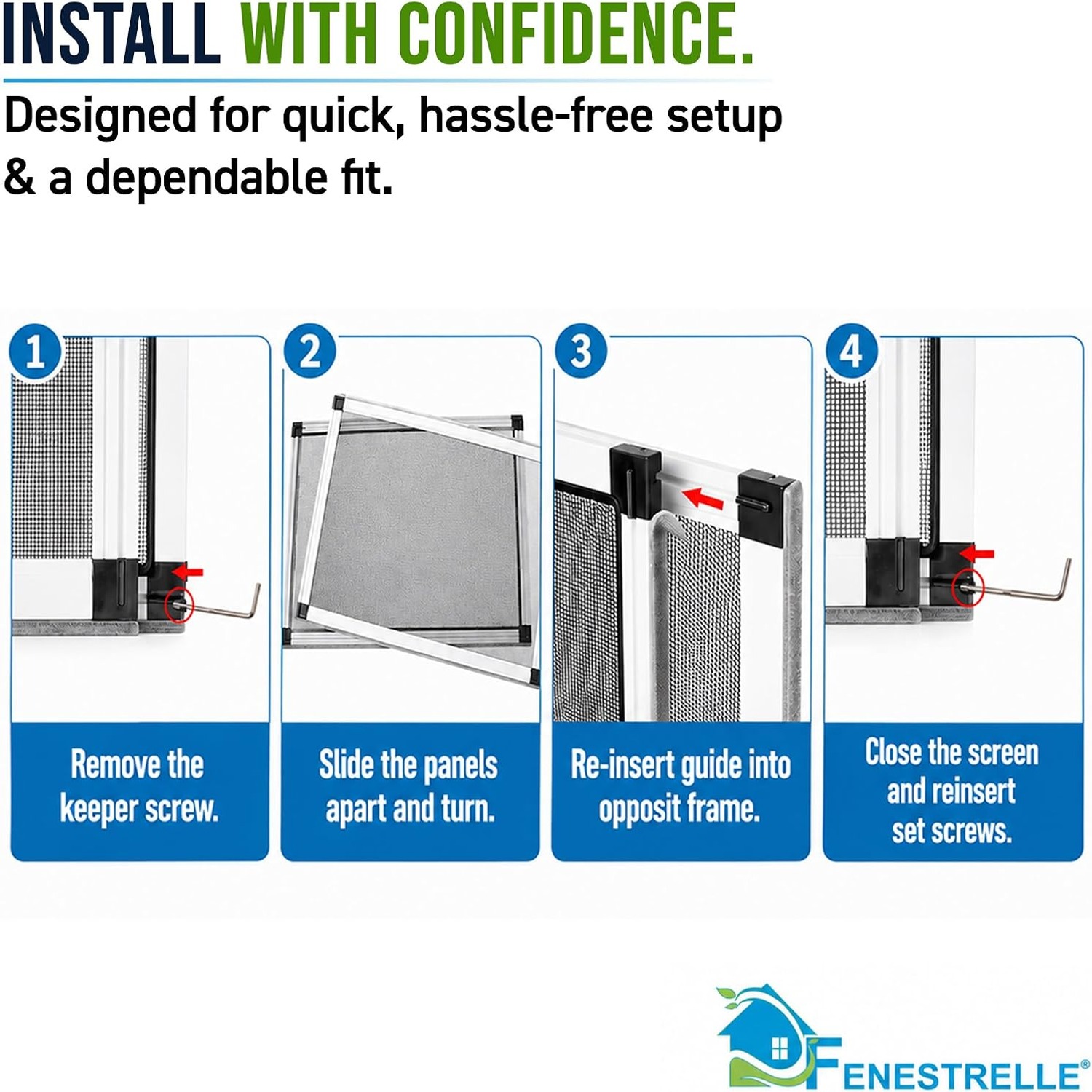
The screen is a flat panel with a frame that slides apart. You lift the lower sash of a double hung window, stand the screen on the sill, pull the panel out until it touches both sides of the frame, then lower the sash until it rests on the top edge of the screen. The weight and friction of the closed sash hold the screen down. The expanded panel presses sideways against the jambs and stops it sliding.
That is why double hung windows are the natural fit. There is a sash coming down from above to do the clamping. On a horizontal slider you can often get the same effect by turning the screen on its side so the moving sash closes against the frame edge, and plenty of people do exactly that. On a casement or awning window, where the whole sash swings outward, there is nothing to press down, so the design does not have much to work with.
The sizes and what they cover
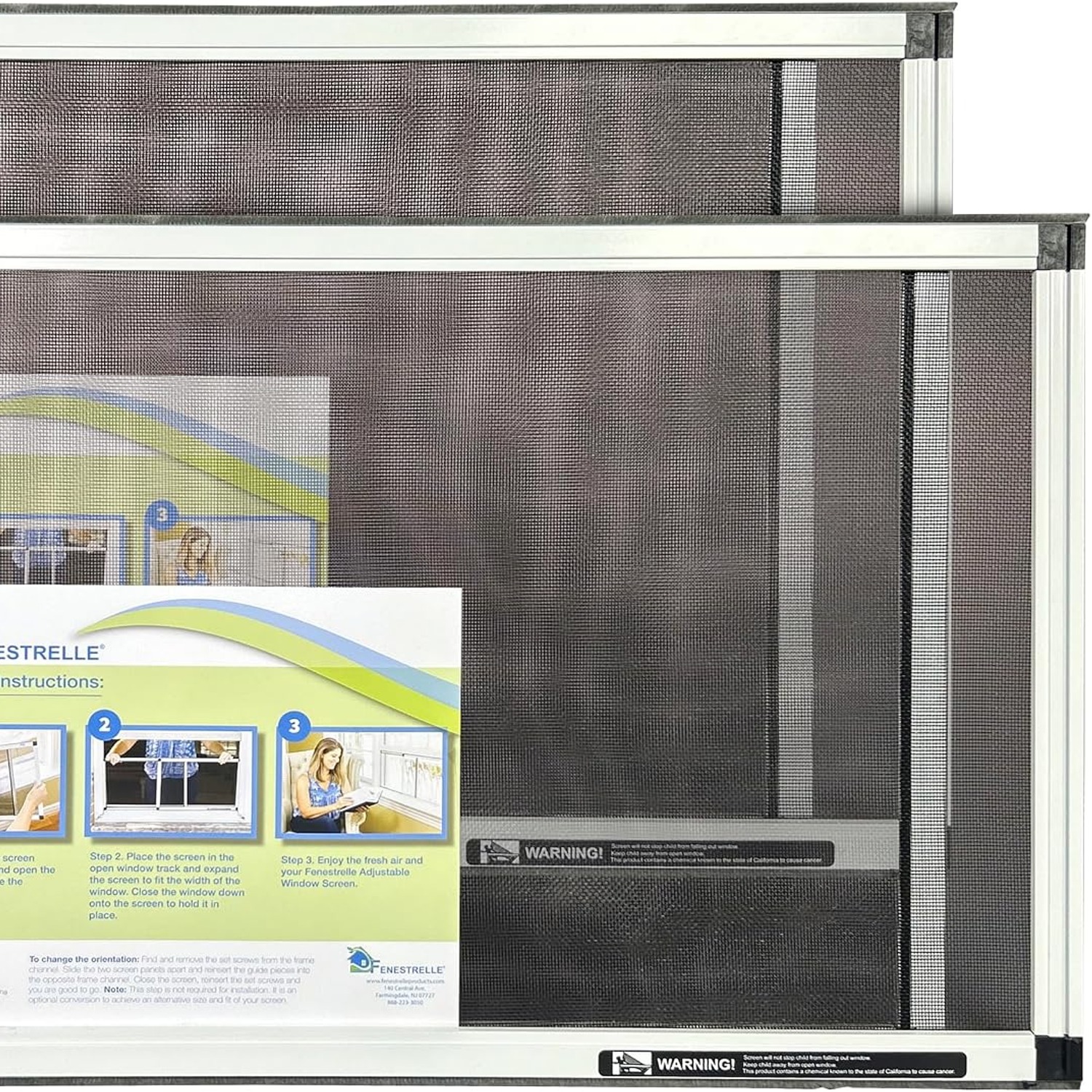
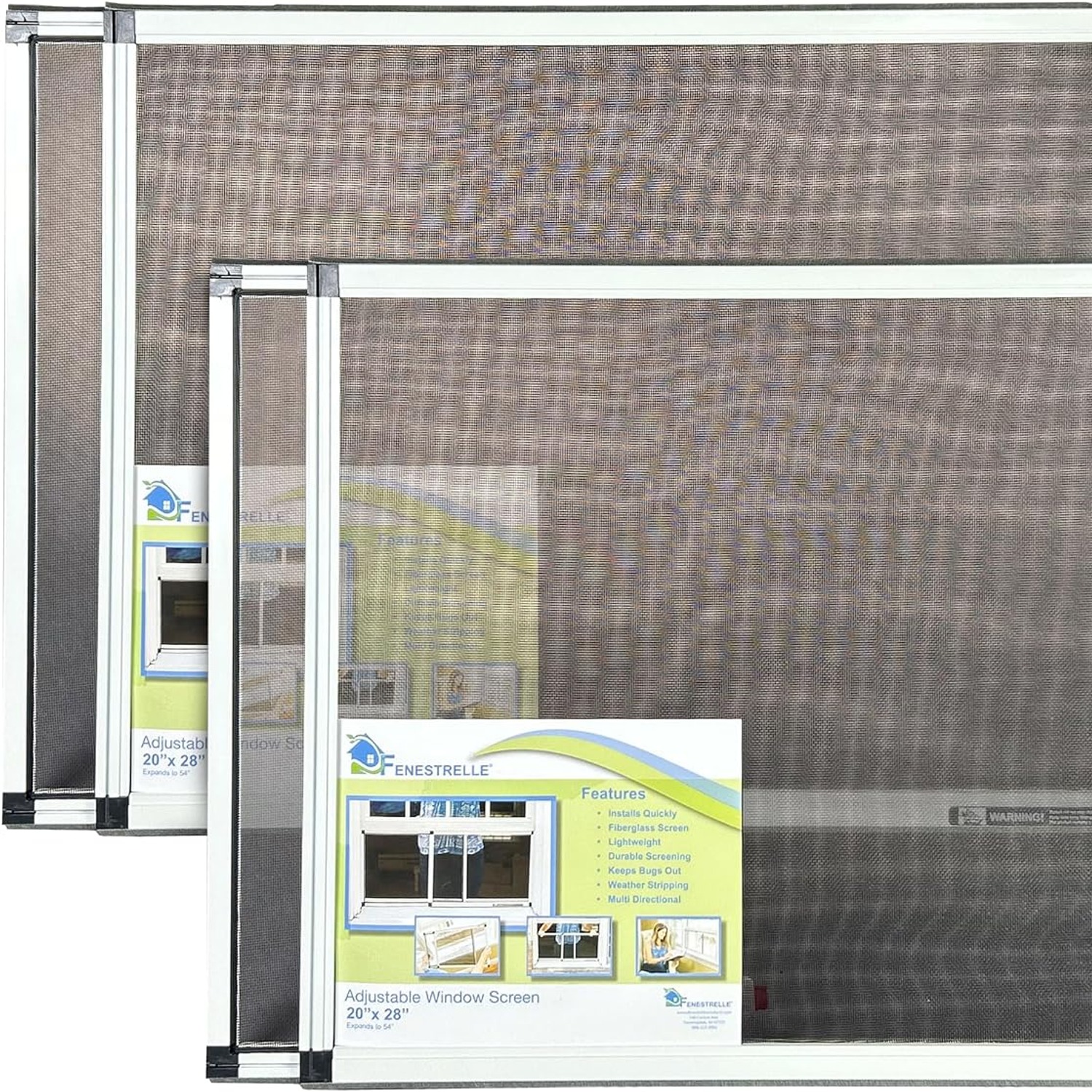
This is the medium size, sold in a pack of two.
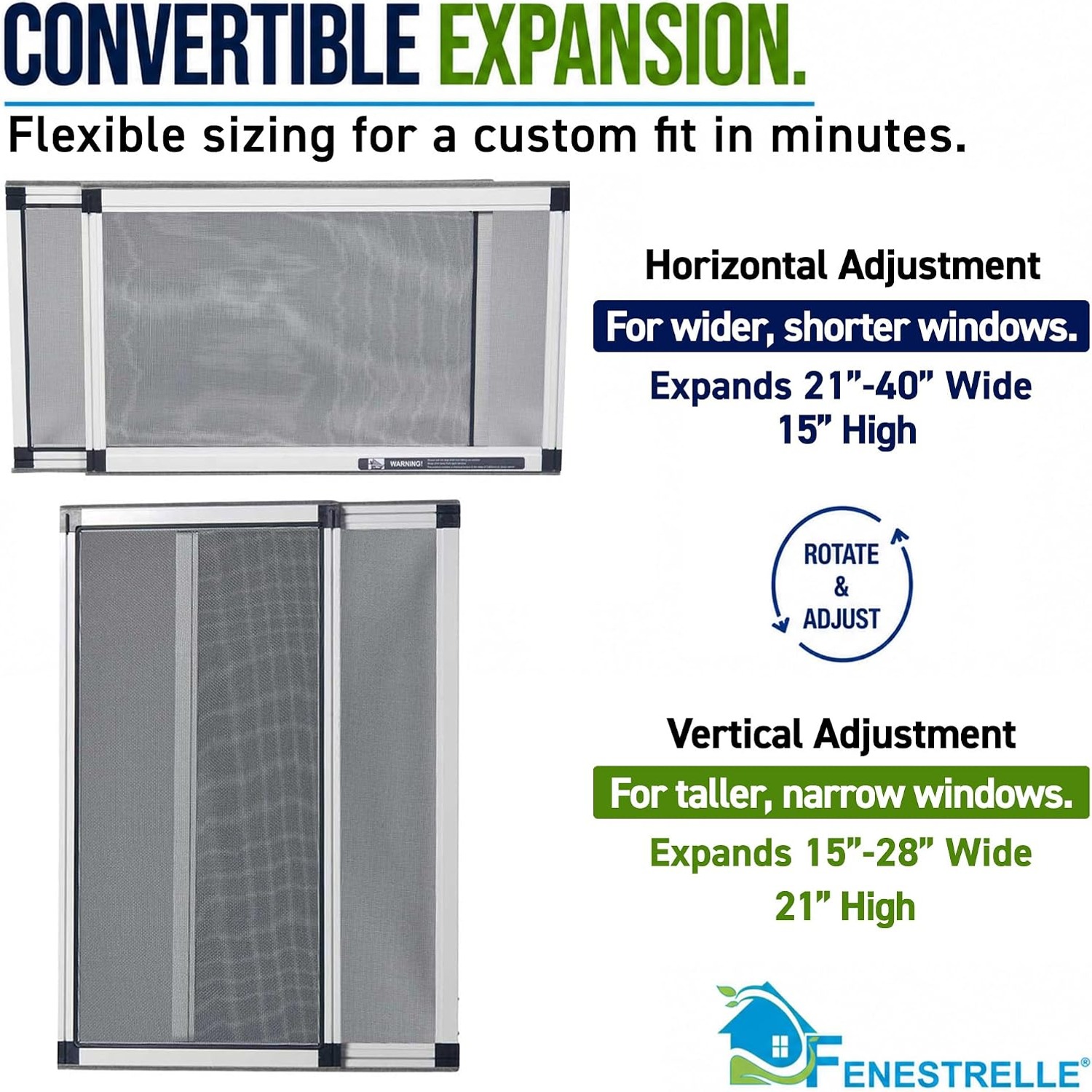
Standing the normal way round, each screen is 15 inches high and expands from 21 inches out to 40 inches wide. That covers a wide band of standard window openings in one product.
Turn the screen 90 degrees and the numbers flip usefully. It becomes 21 inches high and spans 15 to 28 inches of width. That second orientation is the one people forget about, and it is often the answer for narrow windows, for tall sash gaps, and for horizontal sliders.
So before you decide the size is wrong, check both orientations. A 24 inch wide opening that looked too narrow for the 21 to 40 inch range is right in the middle of the sideways range.
Measuring properly, in two minutes
Open the window the way you would when the screen is in. Measure the width of the opening from jamb to jamb, and measure it at two or three heights, because older frames are rarely perfectly square. Use the narrowest number.
Then measure the height of the gap you have opened. If you plan to use the screen upright, you want a gap you can close down to roughly 15 inches. If sideways, roughly 21 inches.
Aim for a width that sits in the middle of the screen's range rather than right at the top. A screen stretched to its absolute limit has less overlap in the telescoping section and sits less firmly than one with room to spare.
Frame, mesh and the part that does the quiet work
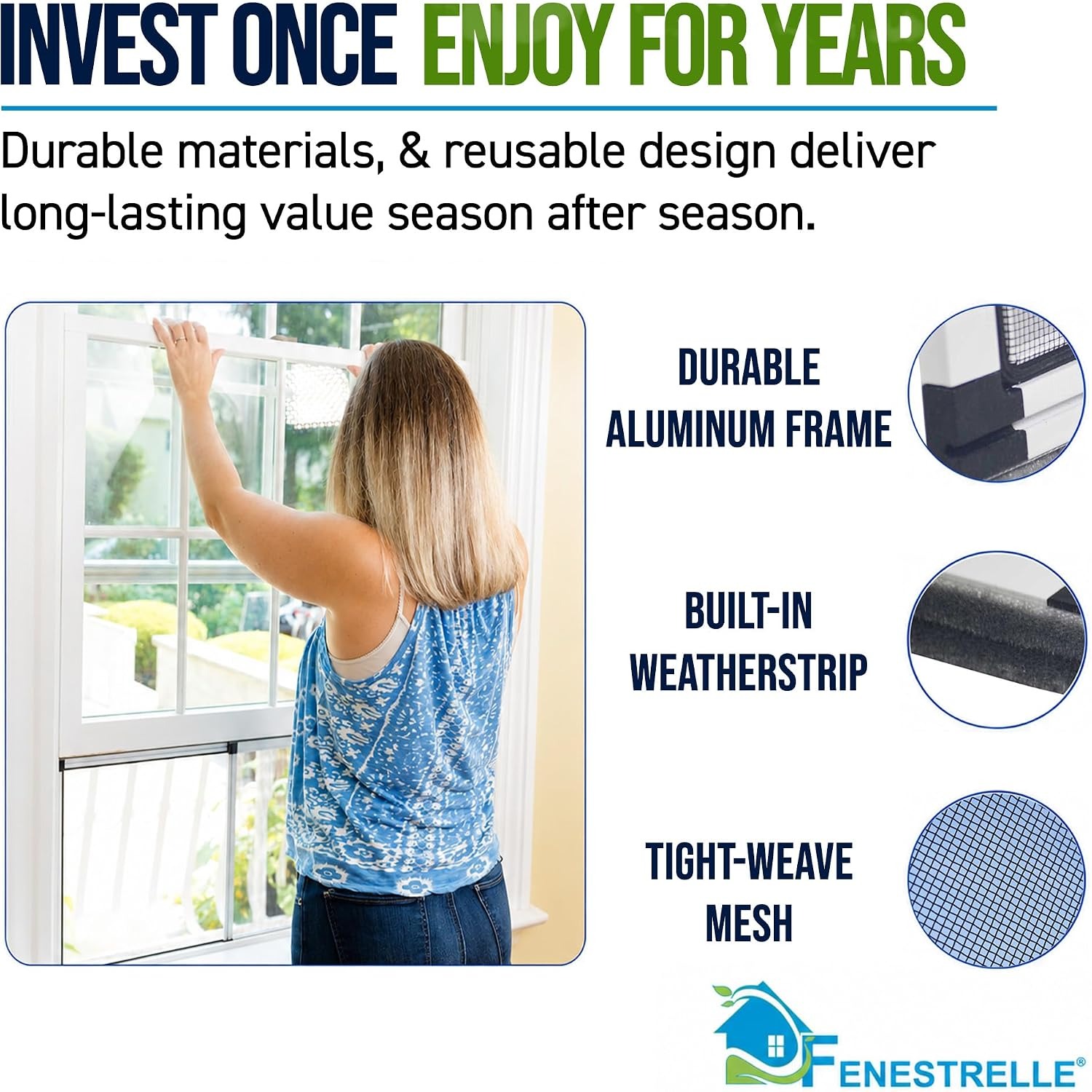
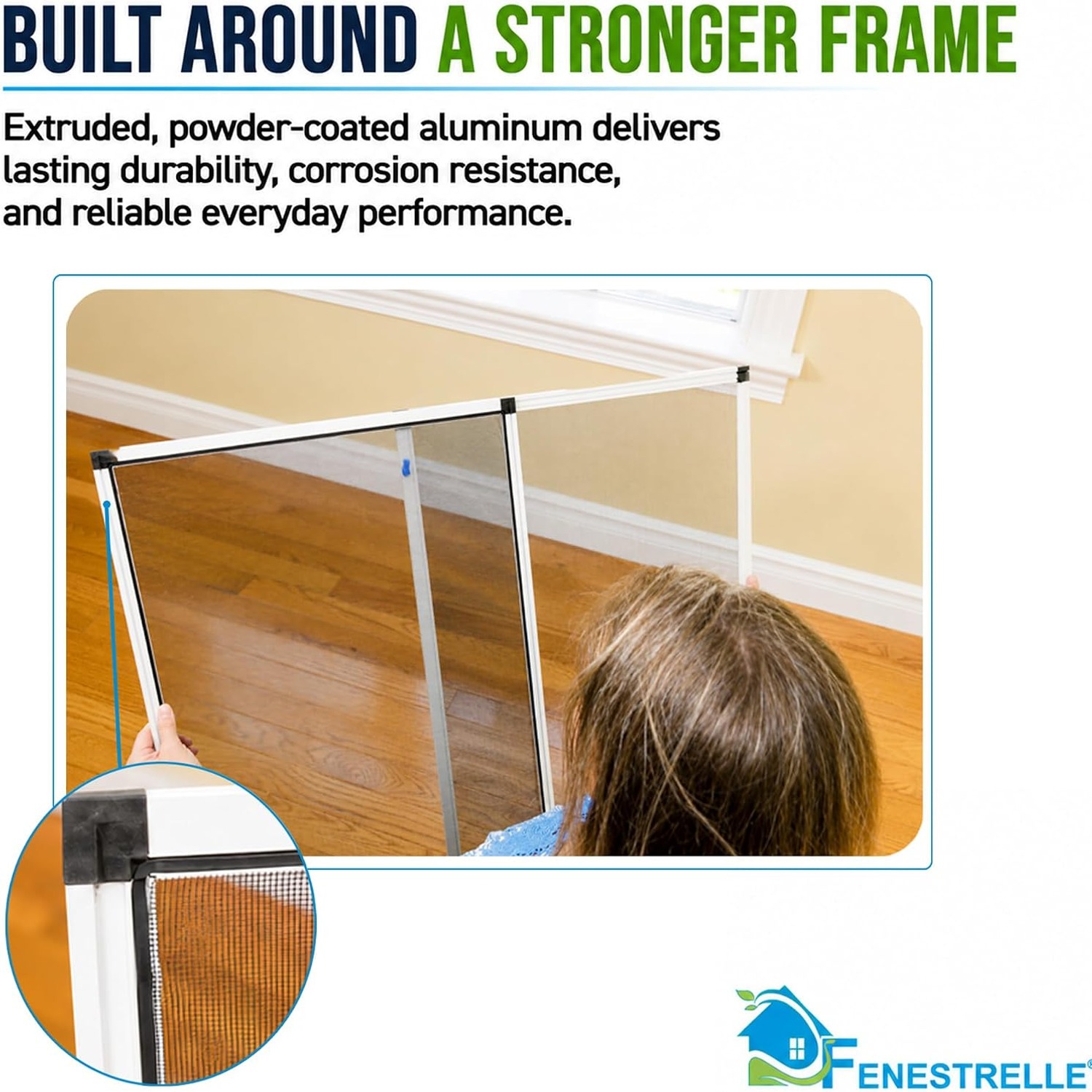
The frame here is aluminum with a powder-coated finish in gray. Aluminum matters for two reasons. It keeps the weight down, and the listed item weight of 2.35 pounds for the pack bears that out, so lifting a screen into an upstairs window is a one-hand job. It also does not rust, which counts in a kitchen or bathroom window where steam is a daily event. The powder coating adds a hard, even surface on top that handles knocks and wipes clean.
The mesh is fiberglass. It has a tight weave that stops mosquitoes, flies and drifting bits of garden debris while leaving plenty of open area for air to move. Fiberglass has a bit of flex in it, so a stray elbow tends to push it and let it spring back rather than leaving a permanent dent.
The piece that earns its keep is the felt weatherstripping around the edges. Insects do not usually come through mesh. They come through the two-millimeter gap between a screen edge and a slightly bowed window frame. The felt compresses into those gaps and closes them, and it softens the contact between metal and painted timber at the same time.
Who gets the most out of a two-pack
Renters, first. Nothing is fixed to the building, so there is nothing to make good when you leave.
People in older houses, second. Period windows almost never have factory screens, and retrofitting them properly is expensive. A pair of adjustable screens handles the two rooms you actually want open.
Anyone running a fan setup gets good value too. A box fan in a screened window pulls cool evening air through the house without bringing moths in with it. Just check the fan body sits under the 15 inch screen height.
And anyone who wants a cross-breeze. One open window moves very little air. Two open windows on opposite walls move a lot. That is the main reason a two-pack is more useful than a single.
Living with them
Keep it easy. Vacuum the mesh with a soft brush head every few weeks in pollen season, or rinse it with low-pressure water and let it dry before it goes back. Wipe the frame with a damp cloth and a drop of mild soap. Leave the solvents and bleach in the cupboard, because they will mark powder coating over time.
When the cold comes, pull the screens out so the window can close and seal fully. Store them flat or standing upright in a dry cupboard, not leaning at an angle under something heavy, and the frames stay square for the next season.
One habit worth building: when you take a screen out, check the felt edging. If it has flattened in a spot, a gentle fluff with your fingers brings most of it back.
Common mistakes
Forcing a screen into a window it does not fit. If the opening is wider than the maximum, the frame will not reach both jambs and the screen will not hold. Measure first.
Expecting it to be a security screen. It is insect mesh in a light aluminum frame. It keeps bugs out, not people, and it should not be treated as a barrier for a child near an open window.
Leaving it in a window that gets slammed. The sash sitting on the screen is fine. A sash dropped hard onto it is not.
The short version
This is a pair of expandable window screens in the medium size, 15 inches high and 21 to 40 inches wide, or 21 inches high and 15 to 28 inches wide if you turn them sideways. Powder-coated aluminum frame, fiberglass mesh, felt weatherstripping along the edges. They fit double hung windows in seconds with no tools and come out just as fast.
If you have a window you have been meaning to open for the last two summers, measure the opening and check it against those numbers. That is the whole decision.