
The complete guide
How to Choose and Fit a Storm Door Closer That Actually Lasts
The problem with a door that will not behave
There are two ways a storm door can misbehave, and most people live with both at some point.
The first is the slam. The door flies shut, hits the frame, and the whole wall seems to shake. Over a year or two that impact works the screws loose, cracks paint around the hinges and eventually bends the latch out of line. If there is glass in the door, you start to wonder how long it has left.
The second is the slow drift. The door swings most of the way closed and then stops an inch short of latching. Wind pushes it open again. Insects wander in. In cold weather you lose the heat you paid for, and in hot weather the air conditioning fights a losing battle against a gap you cannot see from the couch.
A closer fixes both because it controls the entire swing. It slows the door down as it travels, then applies enough force at the end to seat the latch properly. That is the whole job, and when it is set correctly you stop thinking about the door at all.
How a pneumatic closer does its work
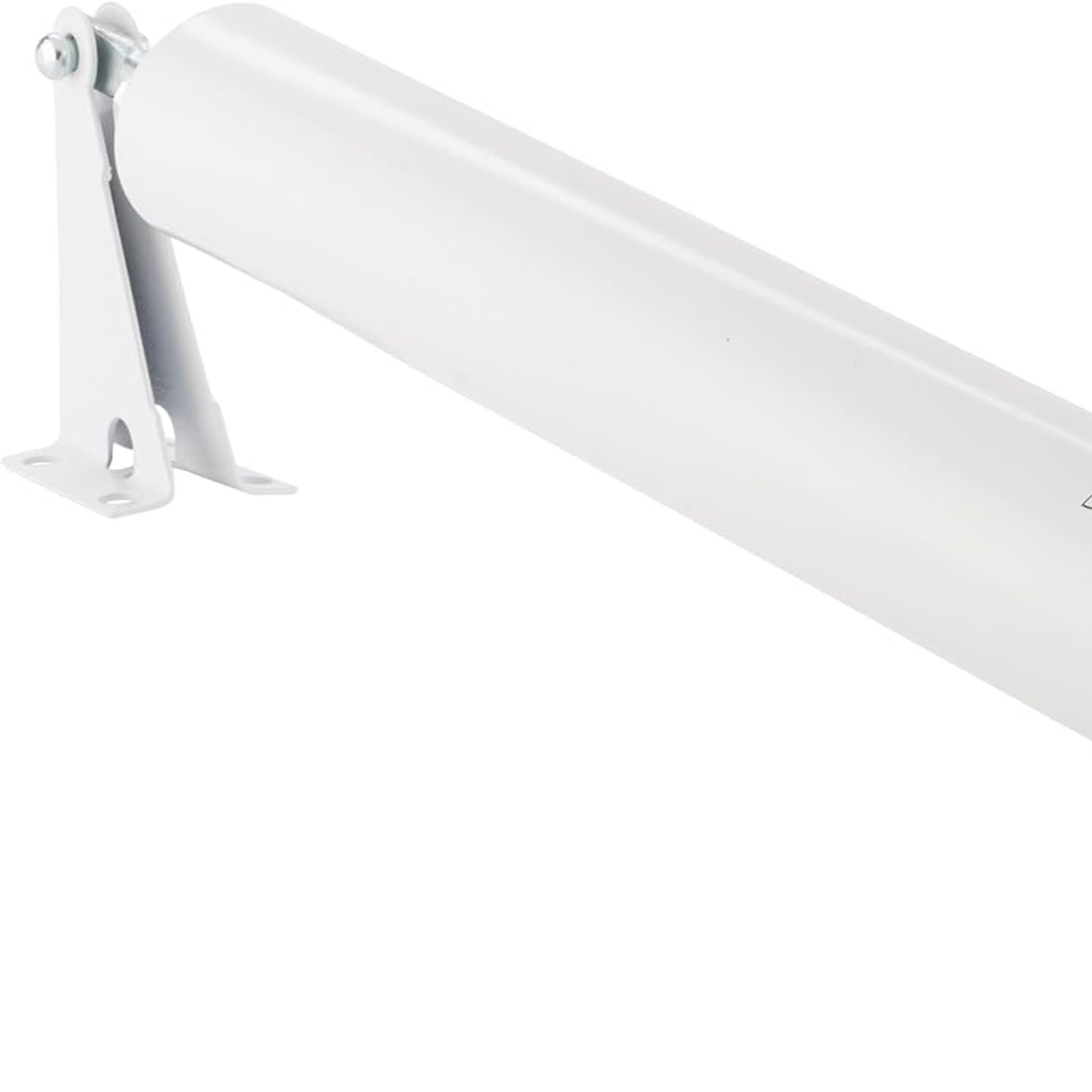
Inside the tube is a piston attached to the rod you can see. When you open the door, the rod pulls out and the spring behind it compresses. Let the door go and that spring pushes back, which is the force that closes the door.
What stops the door from firing shut at full speed is air. As the piston travels, air has to escape through a small port. Make that port smaller and the air takes longer to get out, so the piston moves slower and the door closes gently. Open the port up and the door shuts faster. The thumbscrew on the end of the cylinder is simply a valve that changes the size of that port.
This design has been around a long time for good reason. There is very little to break, the adjustment is obvious to anyone, and you do not need a technician to change the behavior. The spring in this unit is lubricated at the factory and sealed inside, so there is no maintenance schedule to follow.
Heavy duty versus standard duty
Not all closers are built for the same weight of door. A lightweight aluminum screen with a mesh panel asks very little of the hardware. A full view storm door with a large glass insert, a solid wood screen door, or a steel security door asks a great deal more.
Put a standard duty closer on a heavy door and you get the worst of both worlds. The spring is not strong enough to latch the door reliably, so you turn the force up, which makes the closing action harsh without actually solving the latching problem. Within a season the unit starts to feel tired.
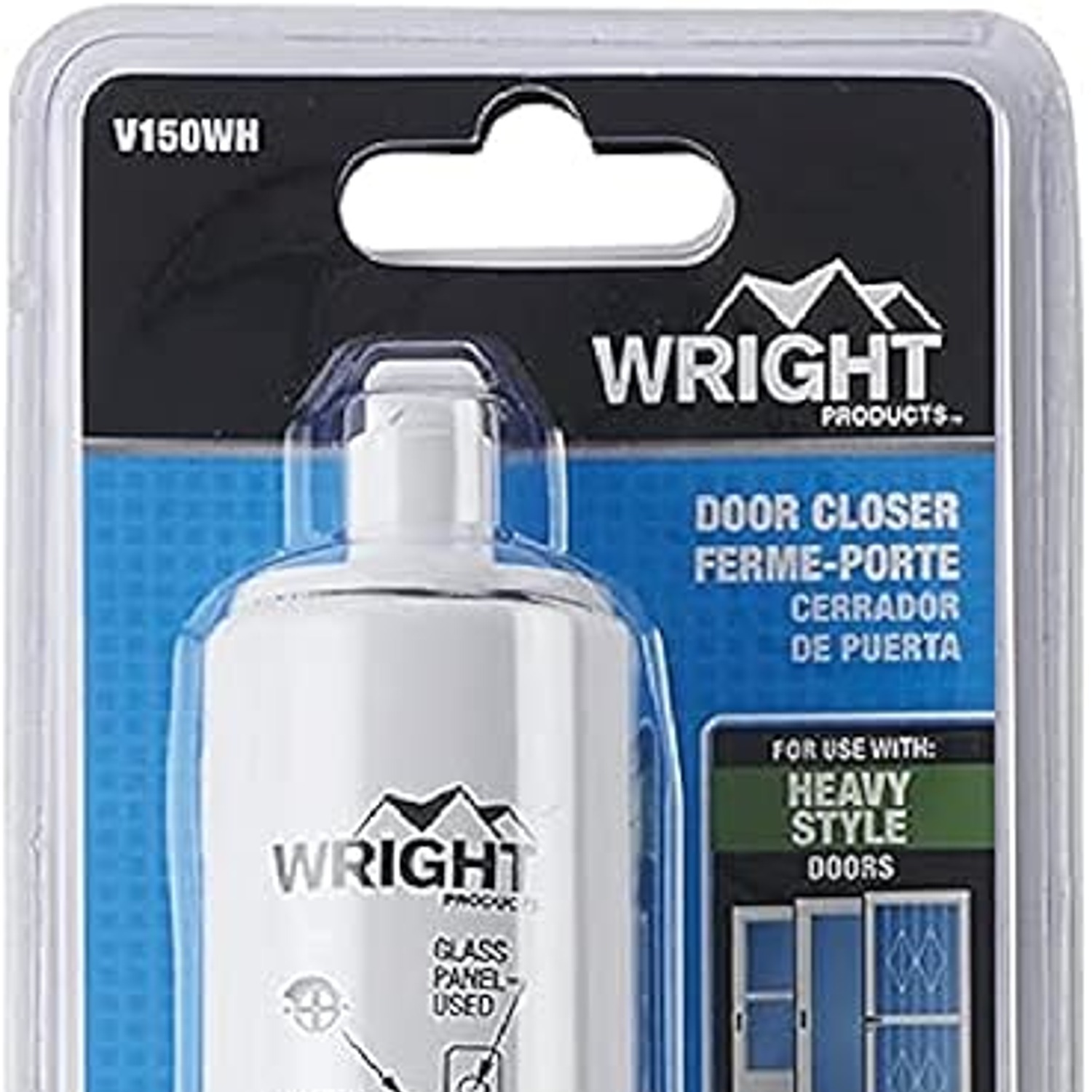
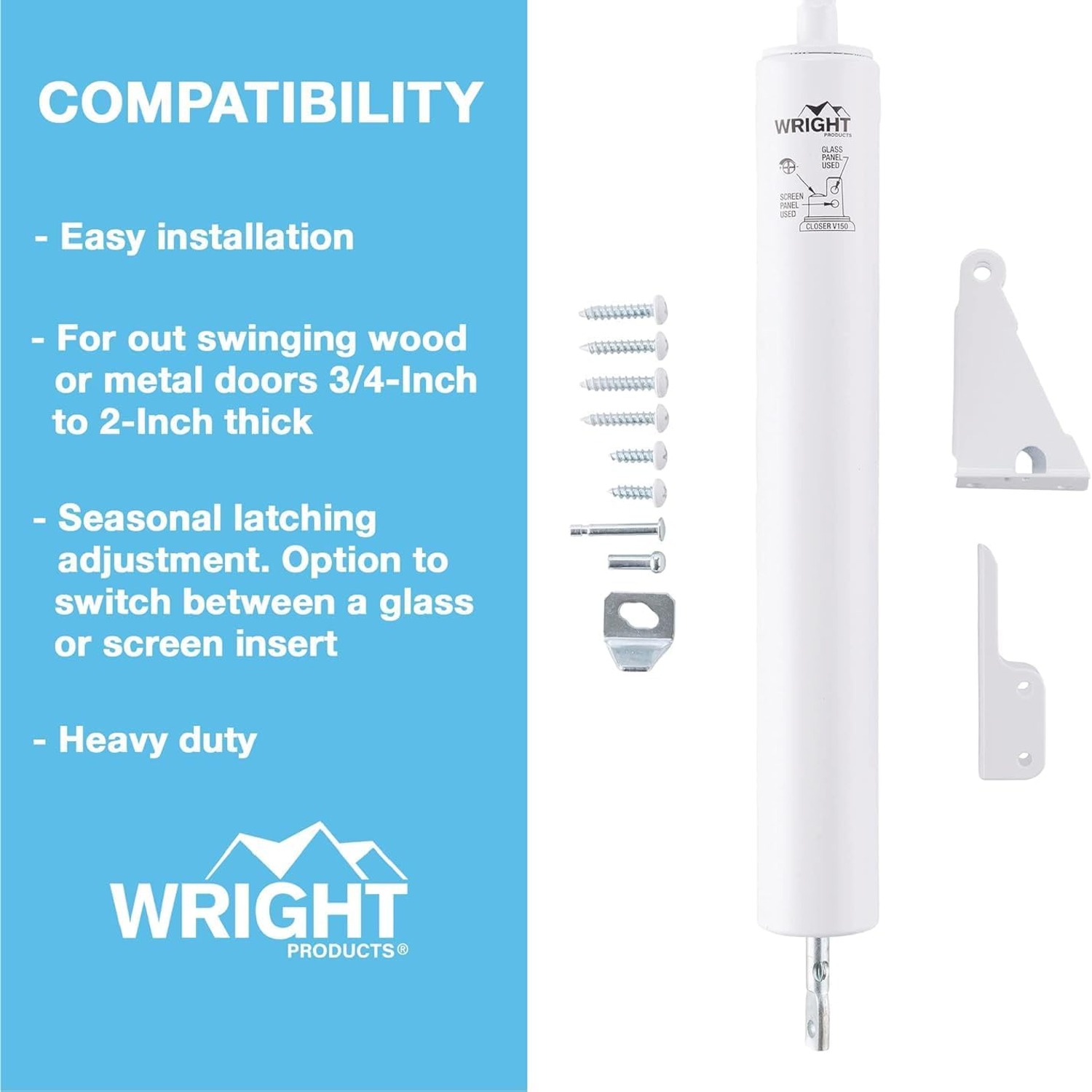
This Wright Products closer is specified for medium to heavy outswinging doors in wood or metal, and for settings where the door is opened and closed repeatedly through the day. The body is metal rather than plastic, and the spring is sized for that heavier load. If you have been through a cheap closer already, this is the category you want to move into.
On very wide or very tall doors, two closers is the normal answer. This unit can be installed on its own or paired with a second standard duty closer, with one mounted near the top of the door and one near the bottom. Sharing the load means neither one is working at its limit, and the door closes evenly instead of twisting.
Who it suits
Think about how your door actually gets used rather than how it looks.
If you have children who run in and out, a closer with an adjustable speed is worth more than any other feature, because you can set the door slow enough that fingers are not at risk. If you carry shopping, laundry baskets or pet bowls through the door, the hold-open washer will become the thing you use most. If your entry faces into the wind, you want a closer with enough force to beat the pressure and seat the latch, and you want it on the heavy duty side.
Renters sometimes worry about fitting hardware, but this is a screw-in installation using small fasteners. Most landlords are perfectly happy with a closer, since it protects their door.
Choosing the right one
Start with the swing direction. This closer is for outswinging doors, which covers nearly every storm and screen door. If your door swings into the house, you need a different style entirely.
Next, weigh up the door honestly. Glass is heavy. Steel is heavy. A mesh panel in an aluminum frame is not. If you are between categories, go heavier, because a strong closer dialled down behaves well on a light door but a weak closer never gets stronger.
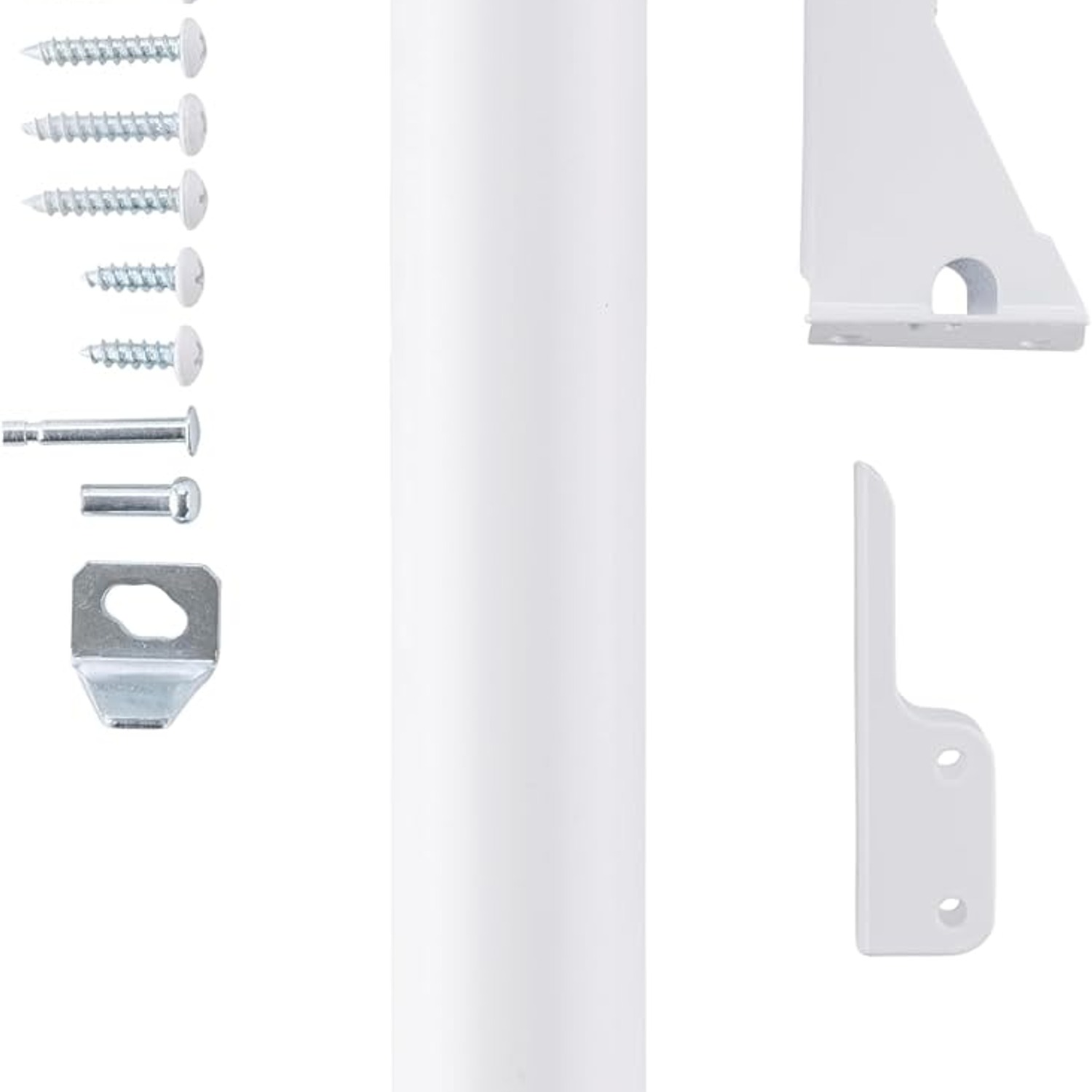
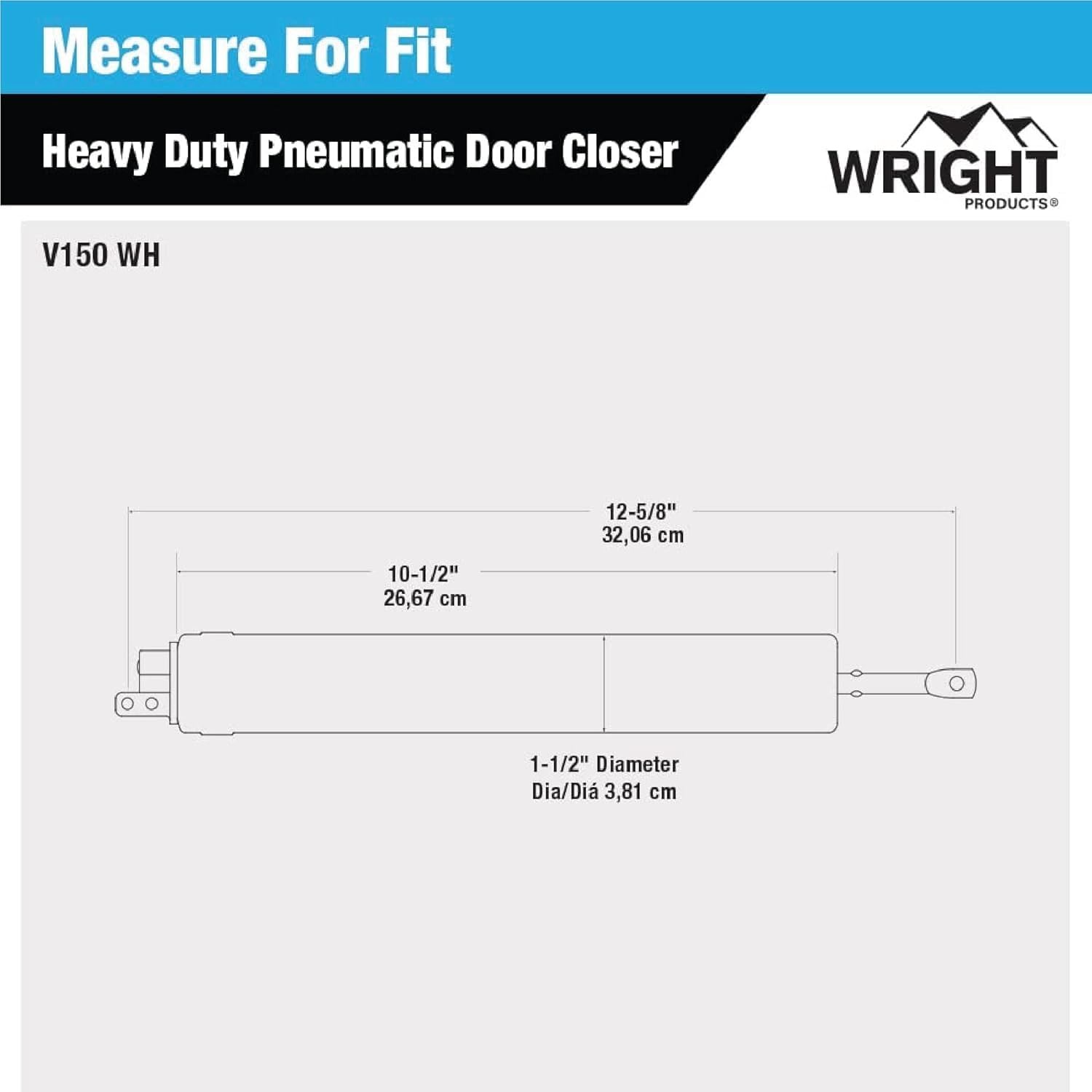
Then look at where the old closer sat, if there was one. Reusing existing bracket holes saves time and leaves fewer marks on the door. Hold the new unit against the frame and compare before you commit to drilling.
Finally, check what is in the swing path. Railings, planters, a narrow porch or a wall return can all stop the door from opening to its full ninety degrees. It is much easier to notice that before the brackets go on.
Fitting it without drama
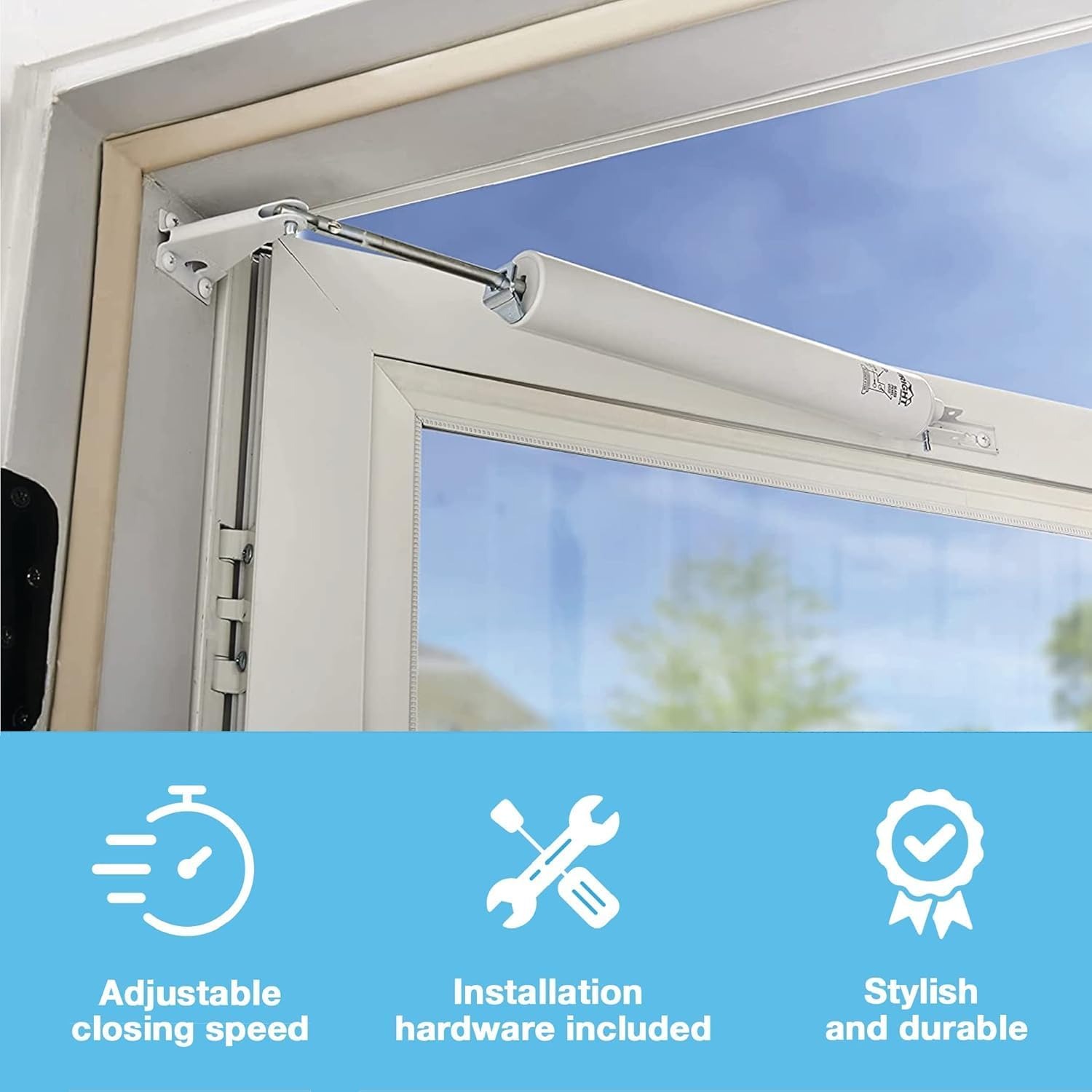
Work with the door closed and supported, and read the instruction guide through once before you start. The brackets need to be square to the frame, and the jamb bracket position determines how far the door can open, so take the extra minute to measure.
Mark the holes with a pencil, drill pilot holes if you are going into wood, and drive the screws in firmly without stripping them. Attach the cylinder last. Then open and close the door a dozen times, adjusting the thumbscrew until the swing feels right.
A good setting closes the door at a steady walking pace for most of the arc, then seats the latch with a definite click. If it bangs, tighten the screw. If it stalls short of the latch, back it off.
Keeping it working
Maintenance is light. Wipe the cylinder and brackets down with a damp cloth and dry them, particularly after a stretch of wet weather. Brush any grit off the exposed rod rather than wetting it, since dirt on the rod is the main cause of a scratchy or sticky action.
Twice a year, put a screwdriver on the mounting screws and snug up anything that has worked loose. Door hardware vibrates, and a loose bracket puts the whole load onto one fastener.
Do not open the cylinder, and do not try to add lubricant inside it. The spring is already lubricated and the tube is sealed. Oil on the outside of the rod just collects dust.
Seasonal adjustment is normal too. Cold air makes a pneumatic closer act slower, so a setting that was perfect in summer may need a small tweak in winter. That is what the thumbscrew is for.
The short version
A heavy duty pneumatic storm door closer stops the slamming, stops the drifting, and holds the door open when your hands are full. This one is a white metal, screw-in unit built for medium to heavy outswinging wood and metal doors, with a finger-adjustable speed control and a hold-open washer built in.
Match it to your door weight, fit the brackets carefully, set the speed so the latch clicks home, and then wipe it down occasionally. Do that and the door stops being something you notice.