
The complete guide
Screen Door Closers, A Practical Buyer's Guide
The slam problem
Every house with a screen door has the same conversation eventually. Someone walks through the back door, the door swings wide, and then it comes back like a drumbeat. For a while you tell yourself you will catch it next time. You never do.
The noise is the obvious part. The quieter cost is what the impact does to the door itself. Screen door frames are light aluminum, and repeated hard contact loosens corner joints, bends the latch alignment and slowly tears the mesh away from the spline. A door that slams for two years needs work that a door with a closer on it does not.
A screen door closer fixes the whole chain of problems with one part that costs less than a takeaway dinner. It is one of the few household jobs where the fix is cheap, fast and permanent.
How a pneumatic door closer works
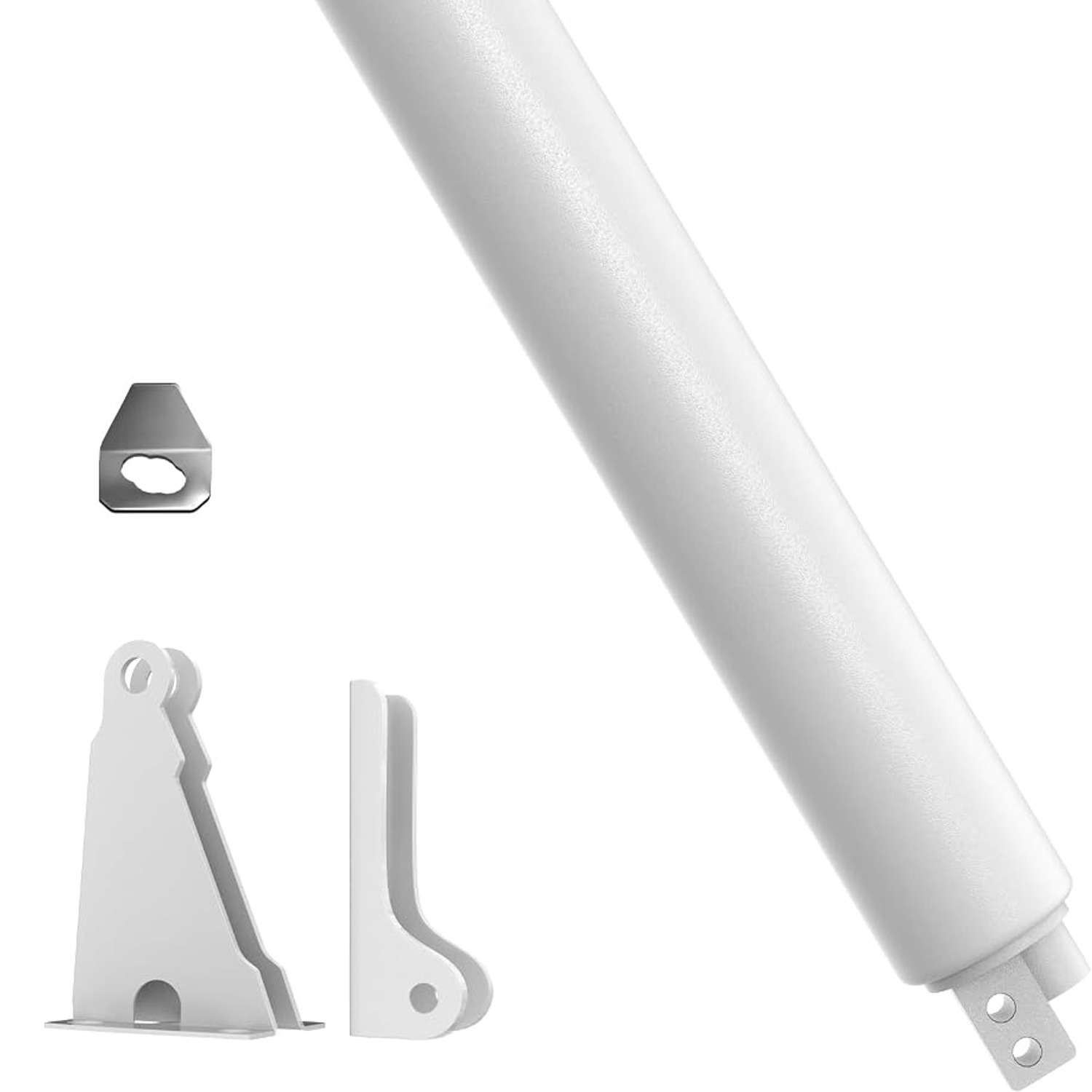
The mechanism is simple enough to picture. Inside the tube there is a piston on the end of the rod. When you push the door open, the rod is pulled out and air is drawn into the cylinder. When you let go, a spring pushes the rod back in, forcing that air out through a small adjustable valve.
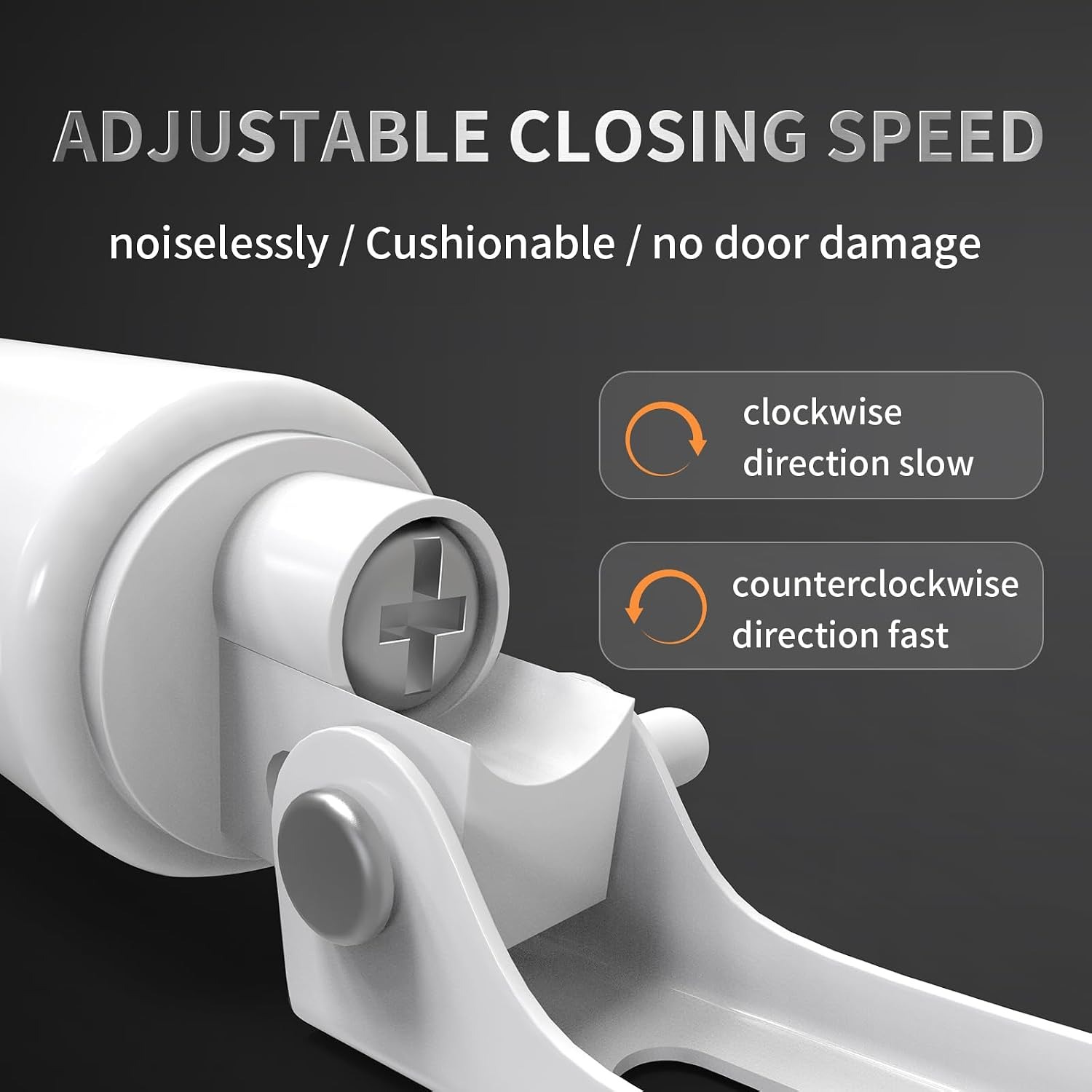
That valve is the whole trick. A small opening means the air escapes slowly and the door closes slowly. A larger opening lets it rush out and the door moves briskly. The screw on the end of the barrel is what changes the opening size, so one turn of a screwdriver changes the character of your door.
Most closers also give you a second stage near the end of travel, where the door gets a final nudge to make sure the latch catches. That is why a well set closer feels slow for most of the swing and then firms up in the last few inches.
The alternative design is hydraulic, which uses oil instead of air. Hydraulic closers are heavier and used for solid entry doors and commercial fire doors. For a screen or storm door, a pneumatic door closer is the correct tool, and a hydraulic unit would be overkill in weight and price.
Who this one suits
This standard screen door closer is aimed squarely at hinged screen doors, window screen doors and storm doors. If your door is a light frame with mesh or a glass insert in it, you are in the right place.
It is a good pick if you are replacing a failed unit. Old closers die in a predictable way. The seal inside wears, the resistance goes, and the door either slams again or drifts shut without ever latching. When you notice that, the closer is finished, and nothing you do with the adjustment screw will bring it back.
It also suits a door that never had a closer at all. Plenty of screen doors are sold with a basic spring and nothing else, and a spring alone is exactly what makes doors slam.
Where it is not the right choice is on heavy timber or steel entry doors. Those need a closer rated for the weight, and pairing a light closer with a heavy door just wears the light closer out. Sliding doors are also out, since they need a different mechanism entirely.
What to look for when choosing
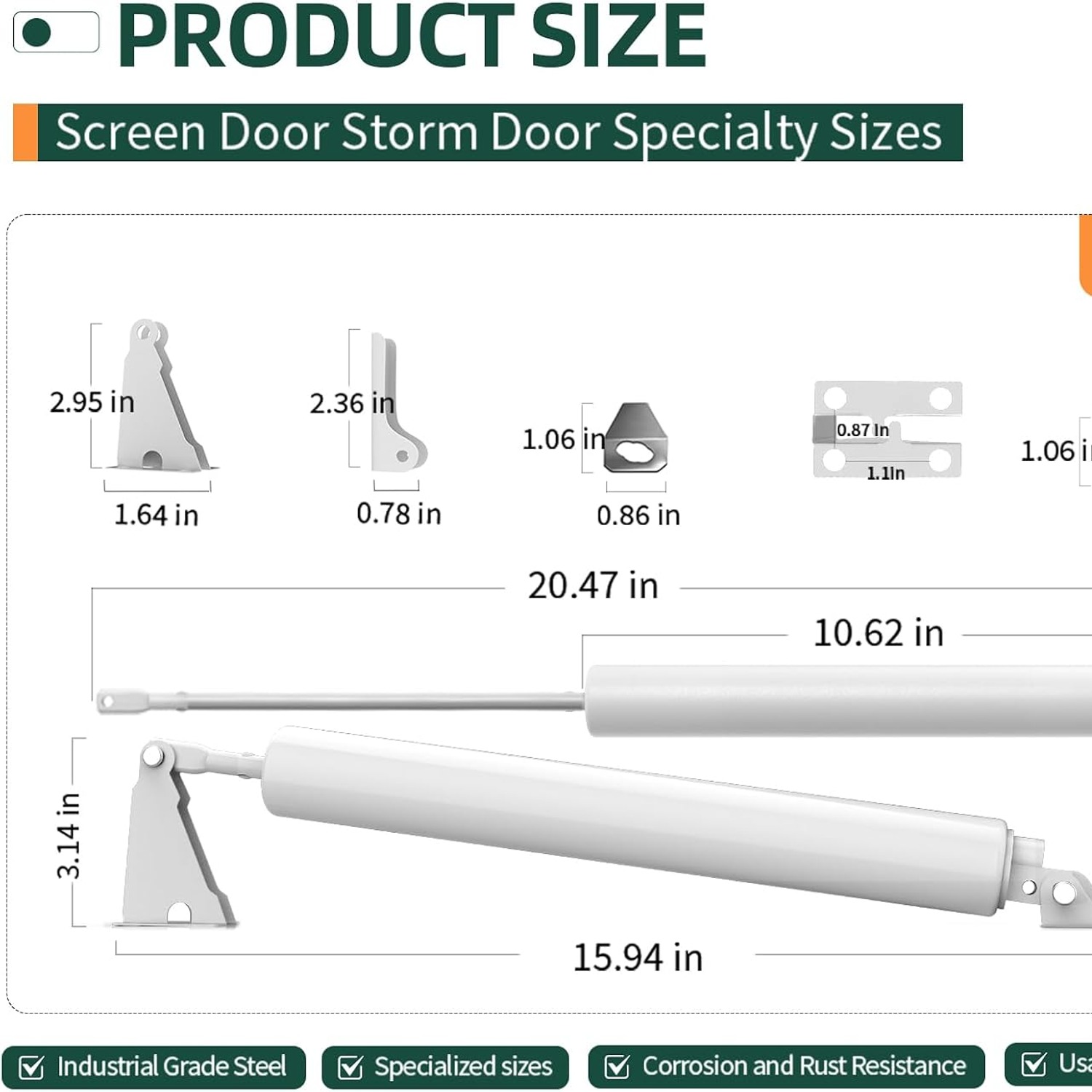
Length comes first. This unit measures 11.7 inches closed, which is the usual span for a standard screen door install. Before you order anything, measure the distance between your existing bracket holes. If you are starting fresh, check the instructions for the recommended mounting positions and make sure you have that much flat frame to work with.
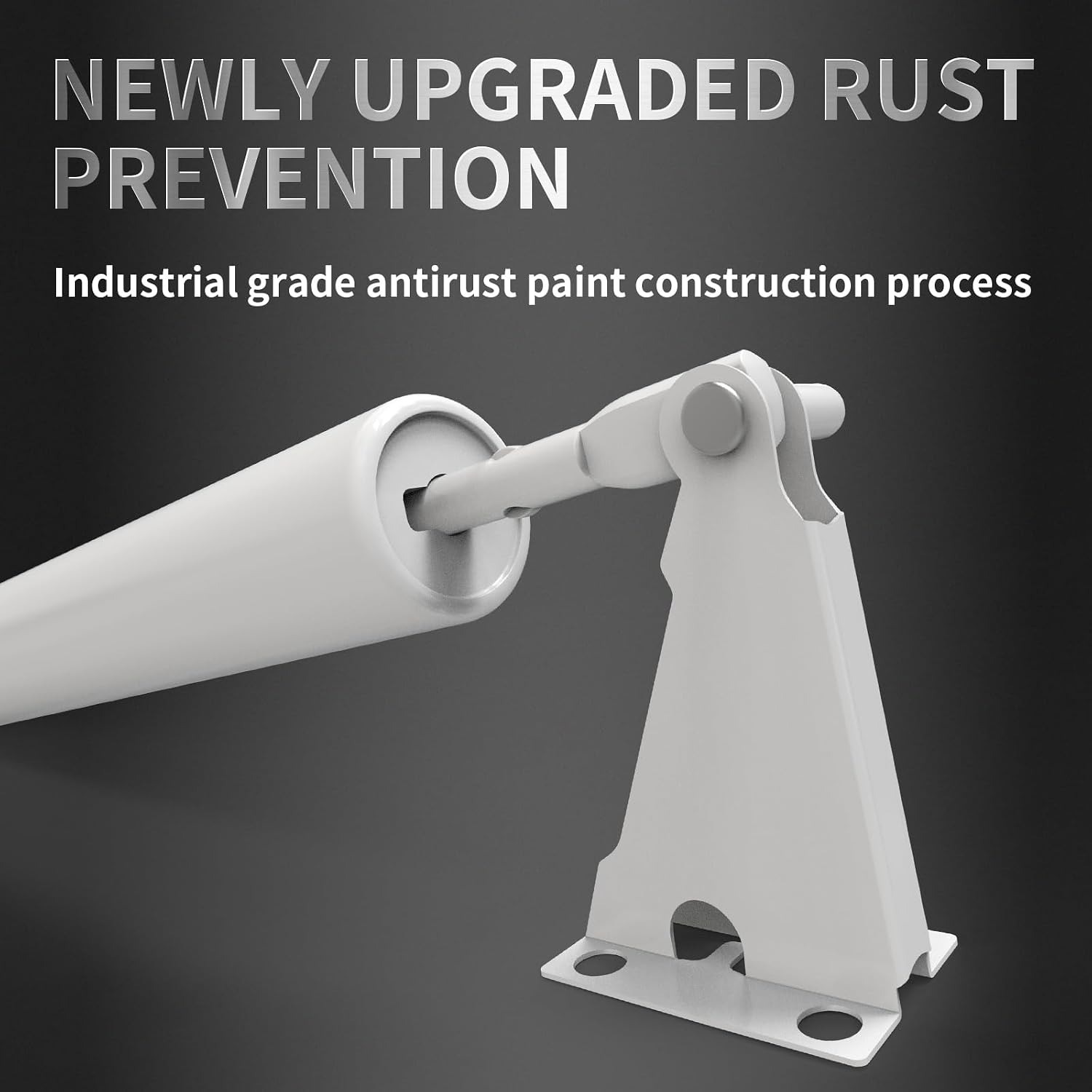
Material matters more than people expect. The closer sits outside the weather seal, so rain, frost and sun all hit it directly. This one uses an aluminum body with a zinc exterior finish, which is the sensible combination for something that lives in the weather. A bare steel rod on an exposed door will show rust within a season.
Adjustability is the third thing. Any closer worth buying lets you change the closing speed. The useful extra here is the seasonal latching adjustment, which matters if you run a storm door with a glass panel in winter and a screen in summer. Glass is heavier, so the setting that worked in July will not work in January.
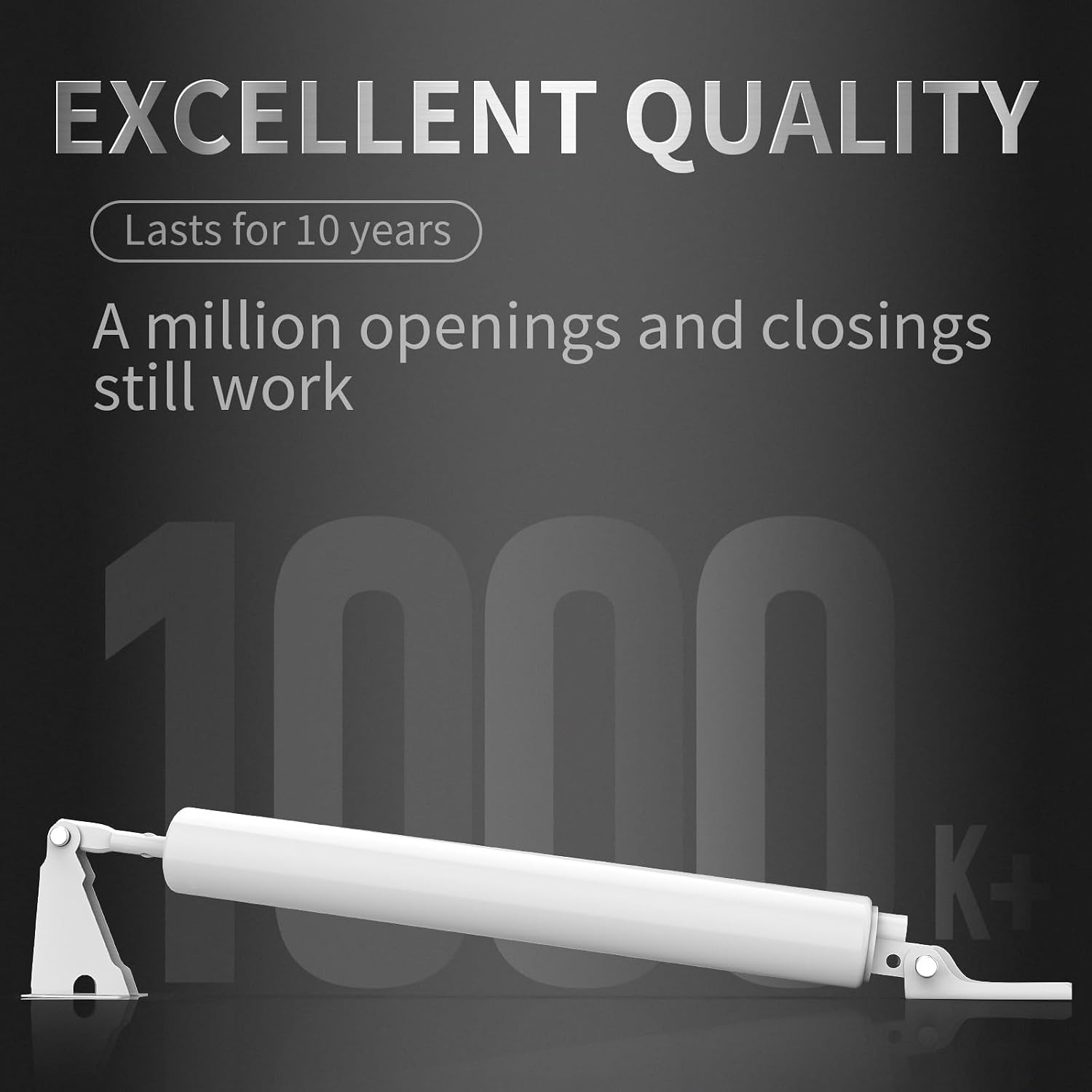
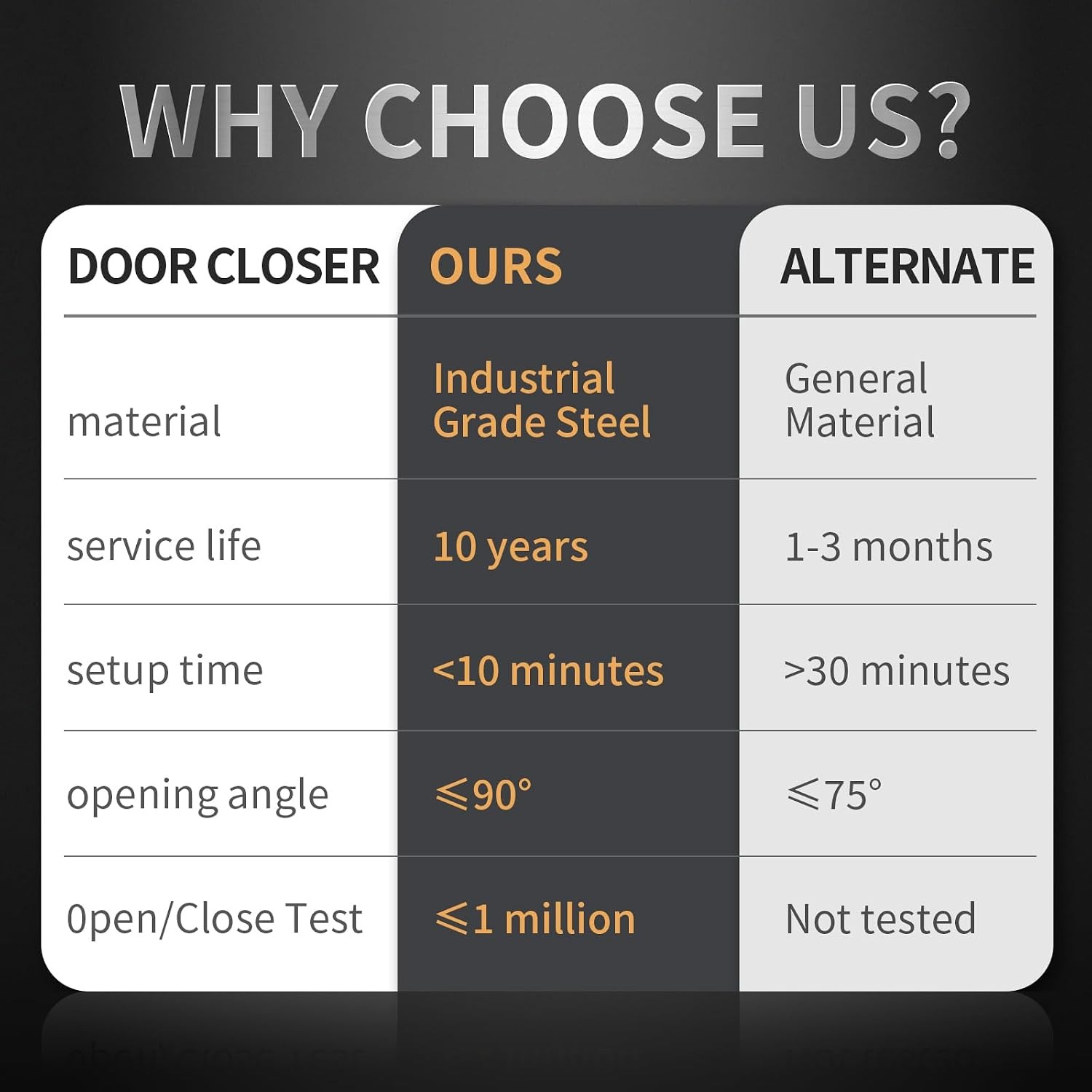
Finally, look at the cycle rating. This unit is stated as tested through 1,000,000 opening and closing cycles with a lifespan of up to ten years. For a busy family door used thirty times a day, that is a long horizon.
Fitting it yourself
This is a screw-in installation and the hardware comes in the box. You need a drill with a small bit, a screwdriver, a pencil and a tape measure.
Start by holding the closer in position with the door shut to check it has room to extend without catching anything. Mark the jamb bracket position first and fix that, then open the door to the angle shown in the instructions, mark the door bracket and fix that too. Drill pilot holes rather than driving screws straight into aluminum, which prevents the frame from splitting or the screw from stripping out.
If you are replacing an old closer, try the existing holes before you drill new ones. Nine times out of ten they line up, and a swap takes about ten minutes start to finish.
Once it is mounted, set the speed. Begin somewhere in the middle, let the door close from fully open, and watch what happens. Too fast and it thumps, too slow and it stops short of the latch. Quarter turns are the right size of adjustment. Give yourself a few days before you decide you have it right, because a door behaves differently on a cold morning than on a hot afternoon.
Keeping it working
Maintenance is barely a chore. Wipe the barrel and the rod a few times a year to clear away dust, cobwebs and grit, because grit on the shaft is the main thing that scratches a seal. Keep solvents and paint off the cylinder.
Check the mounting screws once or twice a year. Doors move, frames flex, and a loose bracket is the start of an alignment problem. A screwdriver and thirty seconds is all it takes.
One habit worth building, do not fling the door open to its absolute limit. Pushing a door past its natural travel strains the closer, the brackets and the hinges together. In a windy spot, a wind chain installed alongside the closer takes that strain instead.
The short version
A slamming screen door is a small problem that quietly causes bigger ones. A pneumatic closer stops it for the price of a cheap lunch and ten minutes of your time.
Look for the right closed length for your door, a weather-ready finish, and an adjustment screw you can reach easily. This unit covers all three, with an aluminum body in a zinc finish, white to blend with standard frames, a seasonal latching setting for storm doors, and all the mounting hardware in the box.
Fit it, set the speed over a few days, wipe it down occasionally, and you can stop thinking about your back door entirely. That is really the goal.