

The complete guide
Choosing a Pet Screen Door, A Practical Buyer's Guide
The problem with being the family doorman
There is a particular kind of tiredness that comes from opening the same door forty times a day. The dog wants out. Two minutes later the dog wants in. You sit down, and the nose appears at the screen again. It is not a crisis, but it quietly eats your afternoon, and it gets worse in good weather when the back door is the most interesting thing in the house.
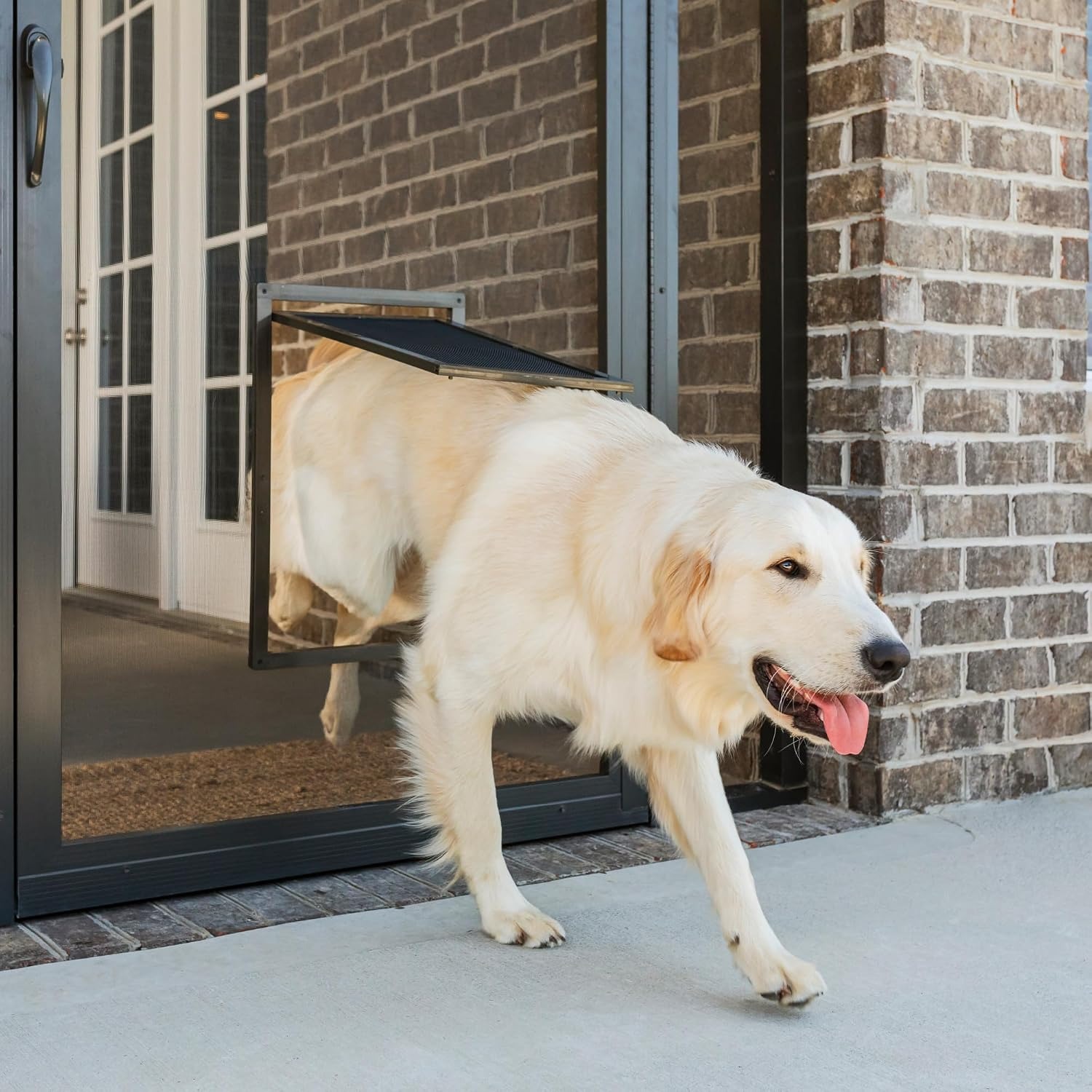
A screen door blocks pets in a way that a solid door with a pet flap does not, because almost nobody thinks to cut into their screen. That is the gap a pet screen door fills. You swap a section of mesh for a frame and a flap, and the dog handles their own comings and goings. The house stays ventilated, the bugs stay mostly outside, and you stay on the sofa.
How a screen door insert actually works
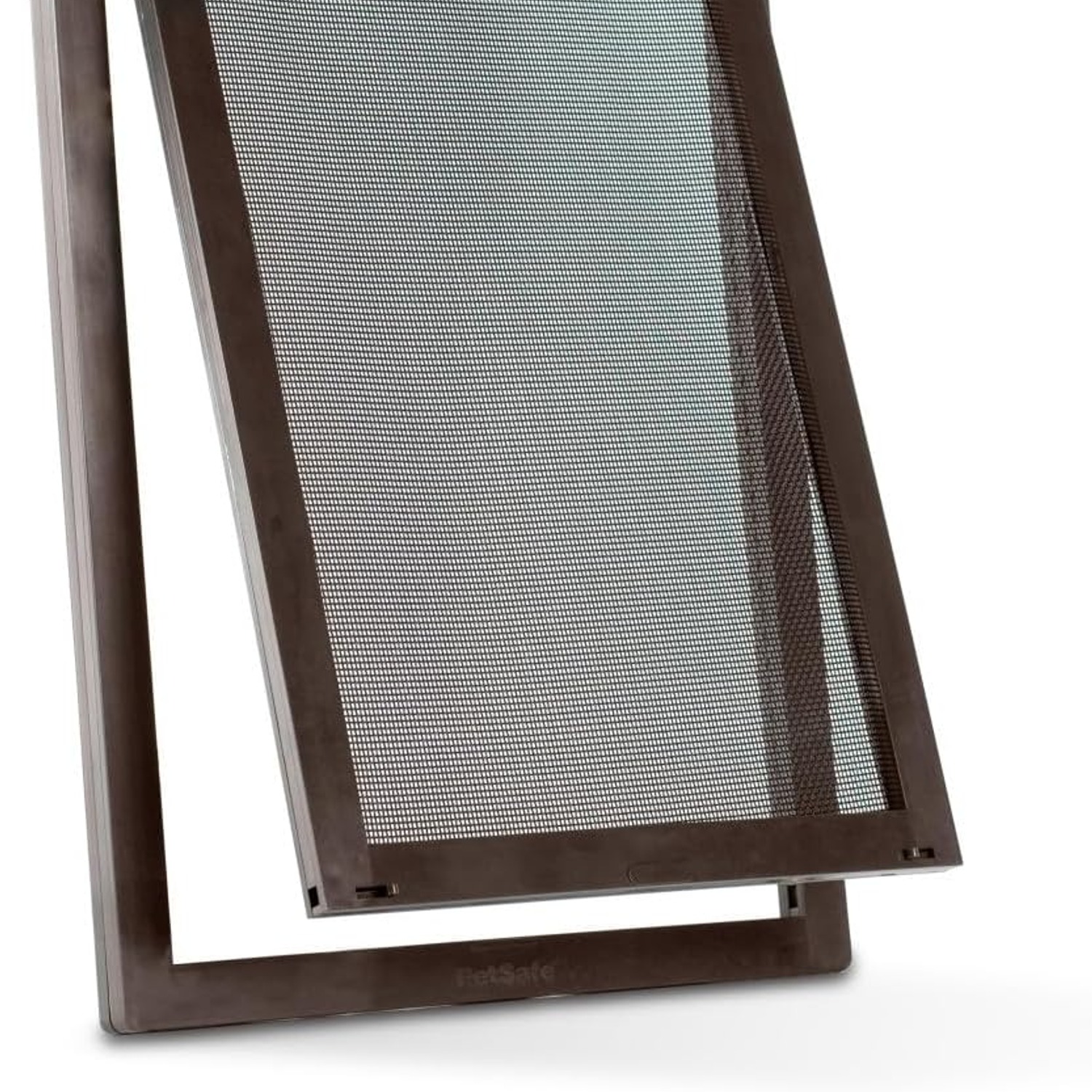
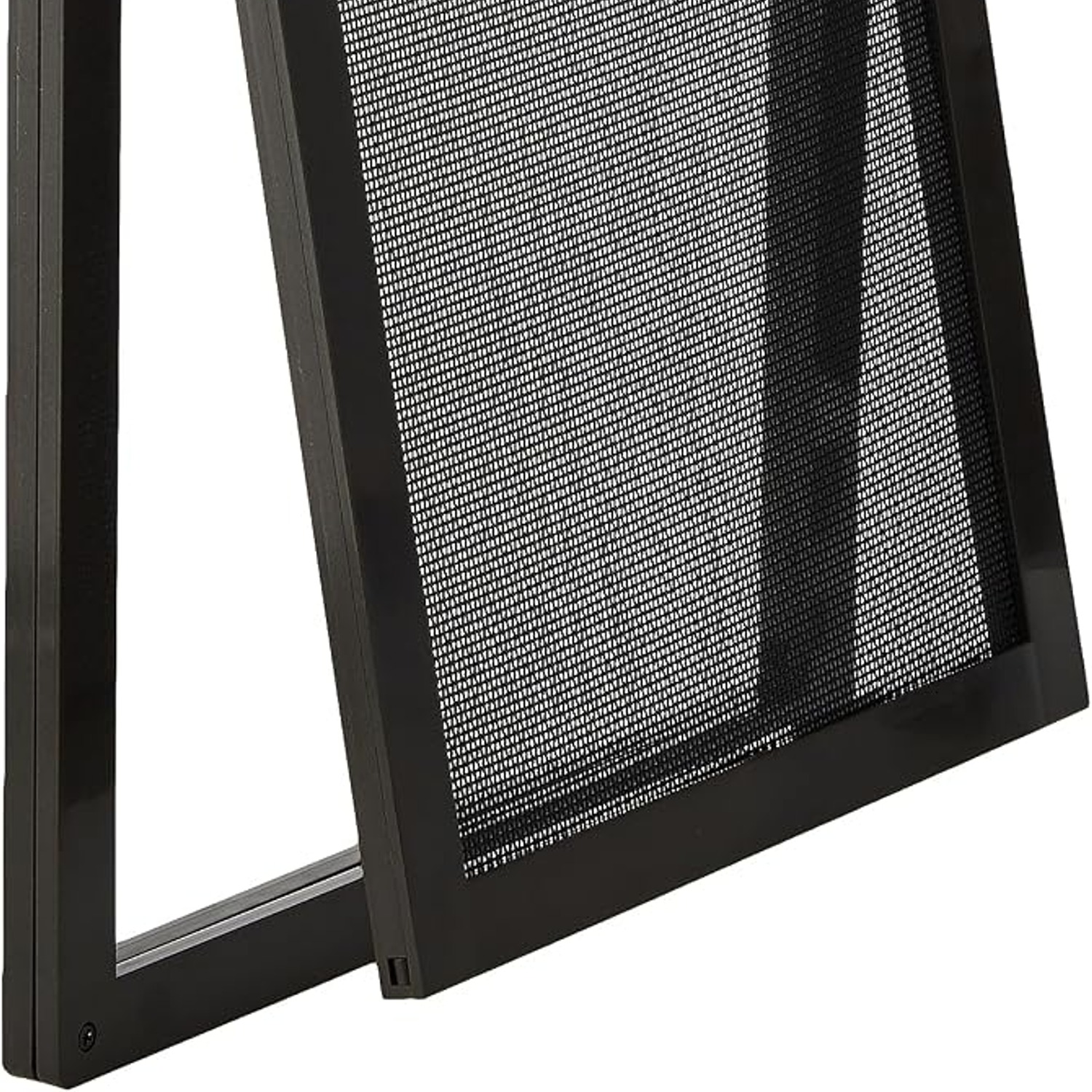
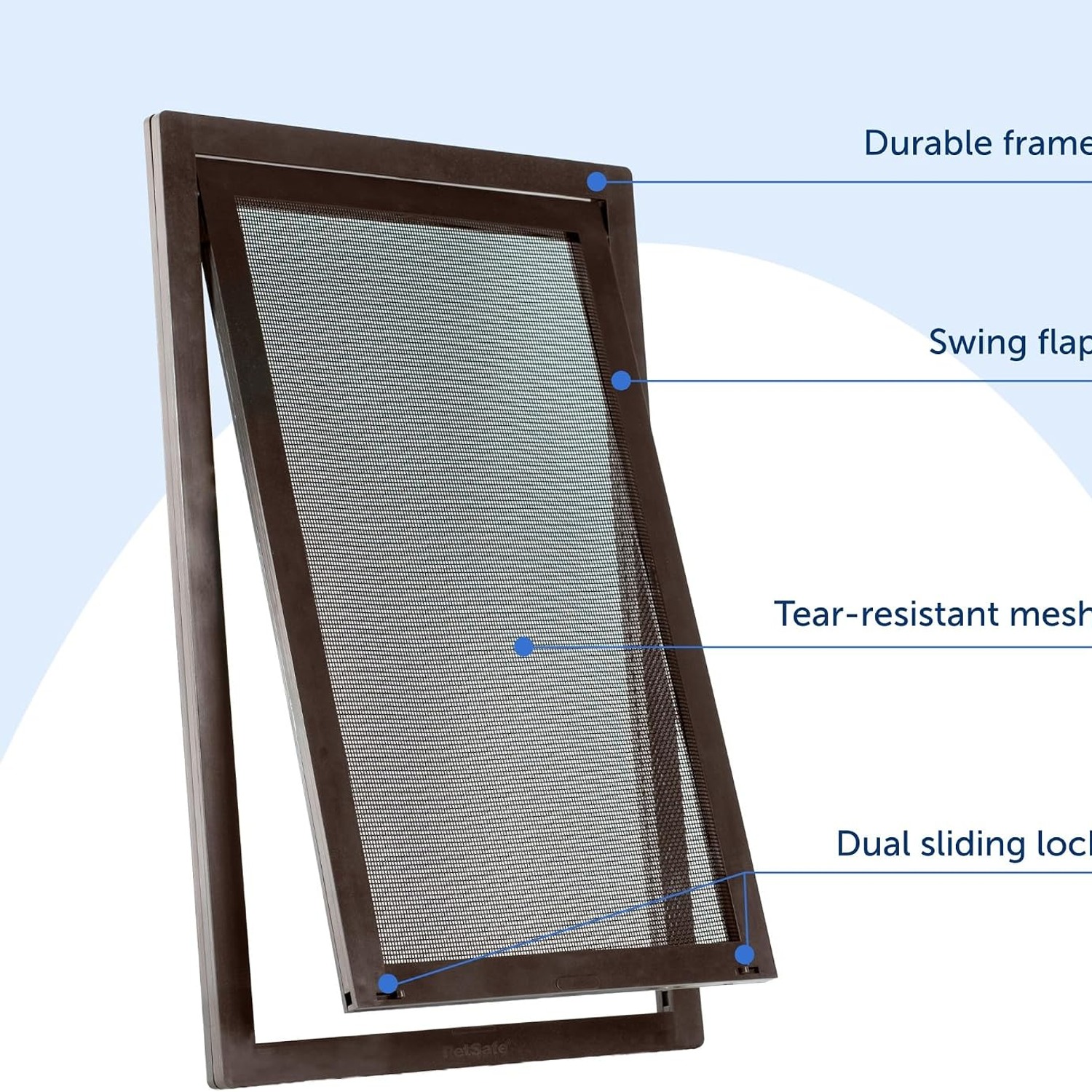
The design is less complicated than people expect. Two plastic frame halves clamp through the screen material, one on the inside and one on the outside. Between them sits a flap made from a puncture and tear-resistant mesh. The pet pushes the flap with their nose or chest, walks through, and the flap drops back into place behind them.
On this large size the two halves are reinforced with flat-head fastening screws rather than relying on the snap fit alone. That extra hardware matters more than it sounds. A big dog does not nudge a flap politely, they shoulder it, and over a season that adds up to thousands of small impacts on the frame joint.
The other piece of engineering worth knowing about is the pair of sliding wind-locks on the interior frame. Slide them one way and the flap is free to swing. Slide them the other way and the flap is held shut, so your pet stays in for the night or stays out while you have the oven open and the kitchen full of people. In the free position the locks still dampen the flap enough that a breeze will not fling it open and leave your living room exposed, while a dog can push through without fighting it.
Who this size suits
The large insert is rated by the maker for pets up to 100 pounds. That covers a lot of common household dogs: labradors, boxers, standard poodles, most collies and shepherds, and a long list of mixed breeds in the same bracket.
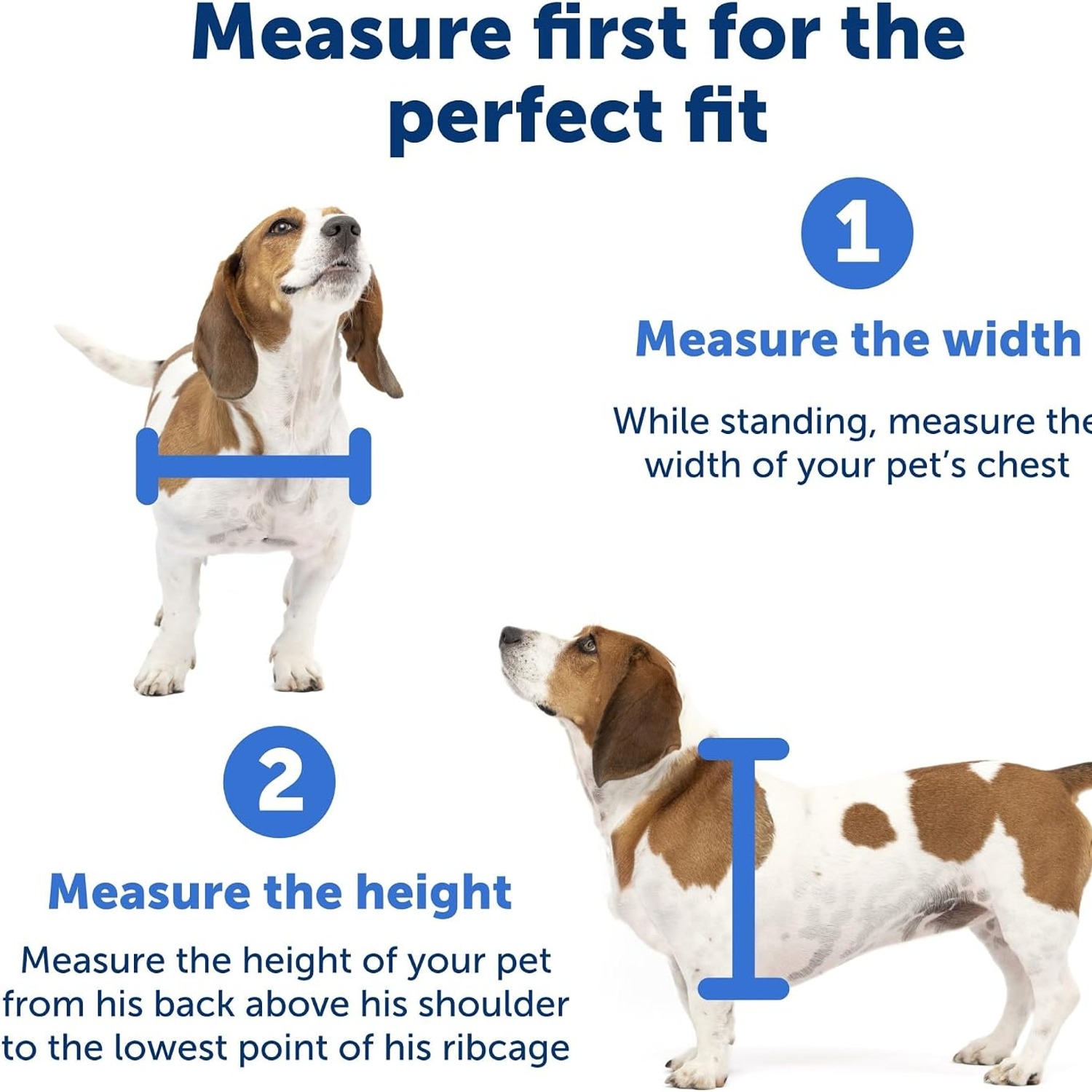
Weight on its own is a rough guide though. A low, heavy dog and a tall, lean dog can weigh the same and need very different openings. Before ordering, measure two things. First, shoulder height from the floor to the top of the shoulder blade. Second, the widest point of the chest. The flap opening needs to clear both with room to spare, and a tall dog should not have to crouch awkwardly every single trip.
Cats and small dogs can share the same door. A large flap is heavier than a cat-specific one, so a timid cat may need a few days of coaxing, but most adapt. If your household runs one big dog and one small cat, a single large opening usually beats cutting two holes in the same screen.
Checking that it fits your screen
This is where most disappointed buyers go wrong, so it is worth being slow about it. The maker lists a compatible thickness range from 0.93 inches to 1 inch and says the insert works with most metal or vinyl-coated fibre screens. Measure the thickness of your screen frame with a tape or a ruler and compare it honestly. If you are outside that band, this is not the right insert, and no amount of forcing will make it so.
Then look at the panel itself. You need an area of flat, unobstructed screen big enough for the frame, with clearance from the door handle, the lock, the closer arm and the track if it is a slider. The product is 14 x 5 x 22 inches overall, so sketch that footprint onto the panel in masking tape before you cut anything.
Last, think about height off the ground. The bottom of the flap should sit a little above your pet's elbow, low enough that they walk through rather than jump, high enough that the frame has solid screen beneath it.
Fitting it yourself
This is a DIY project rather than a trade job. Everything you need is in the box: the exterior frame, the interior frame with the flap and locks already assembled, the pet screen door and the flat-head screws. Add your own screwdriver, a tape measure, a marker and a sharp blade.
Mark the opening, check it twice against the frame, then cut the mesh. Seat the exterior frame from the outside, bring the interior frame up to meet it, and drive the screws in evenly rather than tightening one corner fully before the others. Even pressure keeps the frames flat and the flap hanging straight. Most people finish in under an hour, and the slow part is always the measuring, not the fitting.
If your screen panel is old and brittle, consider buying a fresh panel and fitting the door to that. It is cheap, it gives you a clean mesh to work with, and it means you can store the original panel intact. Renters often take this route for exactly that reason.
Training the dog to use it
Do not assume your dog will understand the flap on day one. Some do, most take a few goes. Tape or prop the flap fully open first and let them walk through a clear hole while you call them from the other side with something they like. Once that is boring, drop the flap halfway. Then all the way.
Keep sessions short and relaxed. If a dog gets a flap on the nose while they are already unsure, the whole project gets harder. Treats on the far side, a cheerful voice and five minutes a day will usually crack it inside a week.
Looking after it
Maintenance is light. Wipe the frame and flap down with a damp cloth and a little mild soapy water, then dry them. Keep solvents and scouring pads away from the plastic and the mesh. Every few months, run a finger over the fastening screws to see if any have loosened and check the sliding locks still move freely.
The thing that shortens a flap's life most often is grit. Dust, sand and dried mud collect along the bottom edge and work on the mesh every time it swings. A quick clean along that edge once a month does more for durability than anything else you can do.
The short version
If you have a dog under 100 pounds, a screen in the 0.93 to 1 inch thickness range and a growing resentment of being the household doorman, this solves the problem for the price of an hour's work. The frame is high-impact plastic, the flap is puncture and tear-resistant mesh, the large size is screw-reinforced, and dual sliding wind-locks let you shut the whole thing down when you want to.
Measure your pet, measure your screen, then order. The fit is the only part that can really go wrong, and it is entirely in your control.