

The complete guide
How To Choose An Expandable Window Screen That Actually Fits
The problem with opening a window
There is a short window of weather, usually a few weeks in spring and again in early fall, when the outside air is exactly what your house needs. Cool, moving, free. And then you open the sash and within ten minutes there is a moth doing laps of the lamp and something small biting your ankle.
Most people settle for one of two bad options. They keep the window shut and run a fan, or they open it and accept the insects. A installed window screen solves it properly, but installed screens cost real money, need measuring, and in a rental you are not allowed to drill anything anyway.
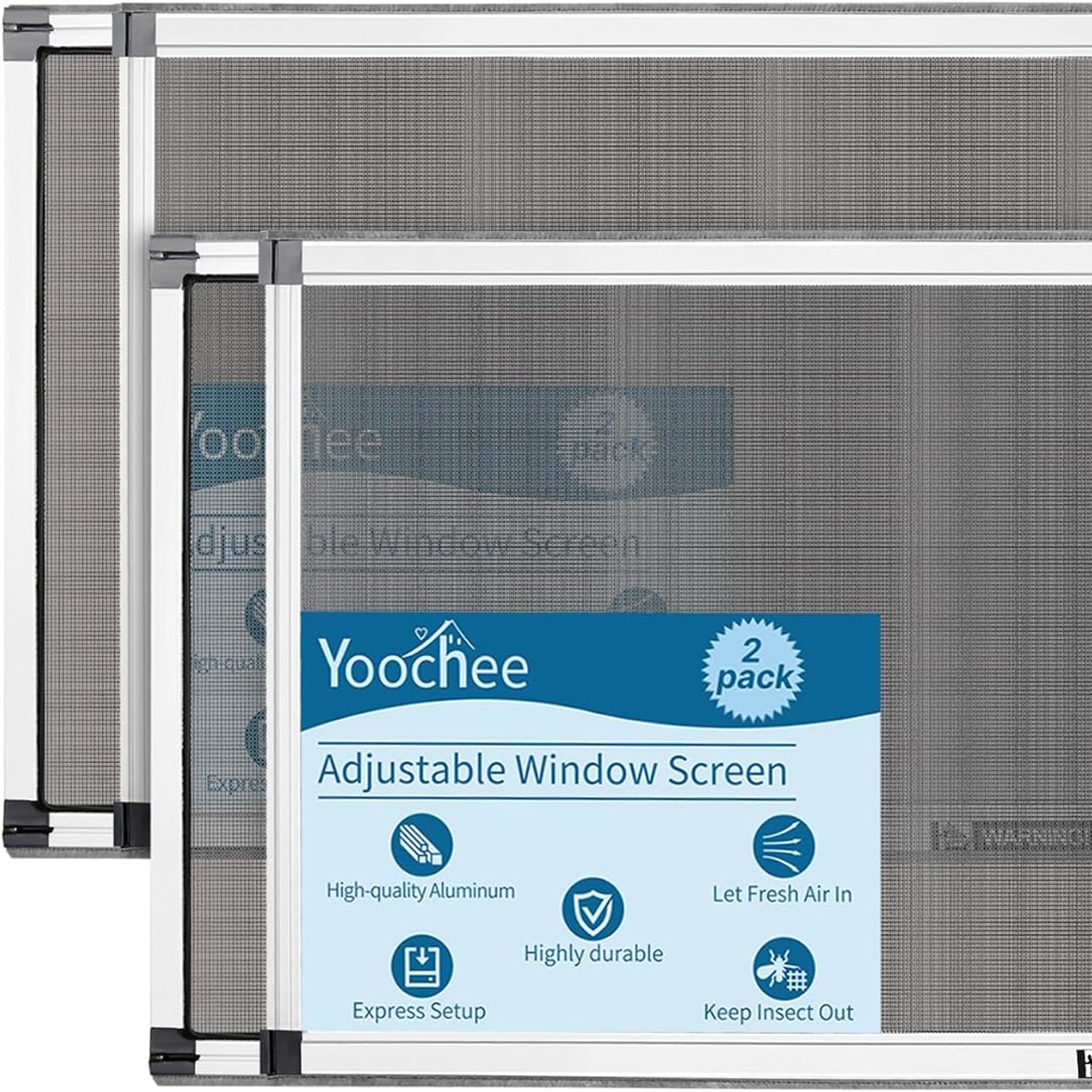
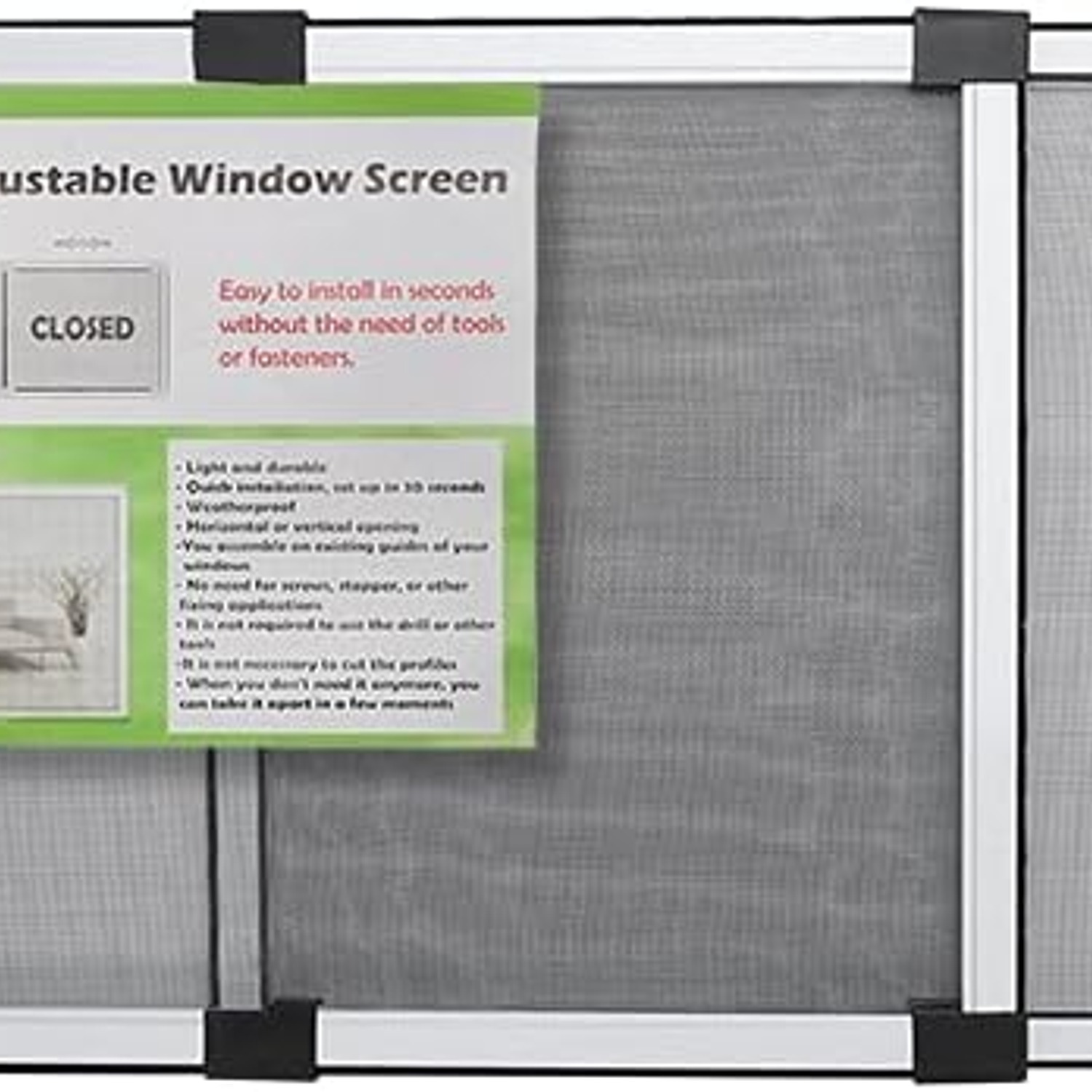
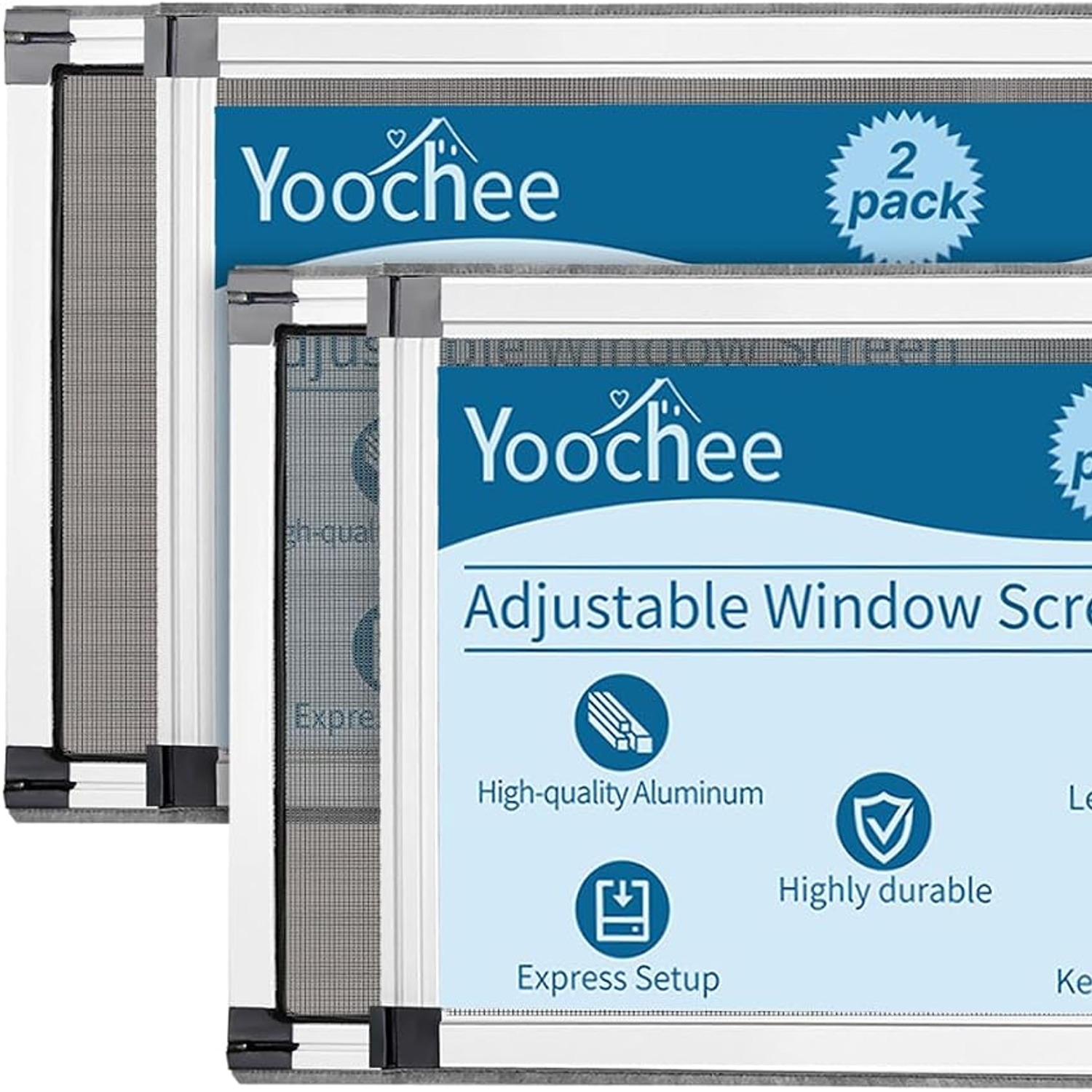
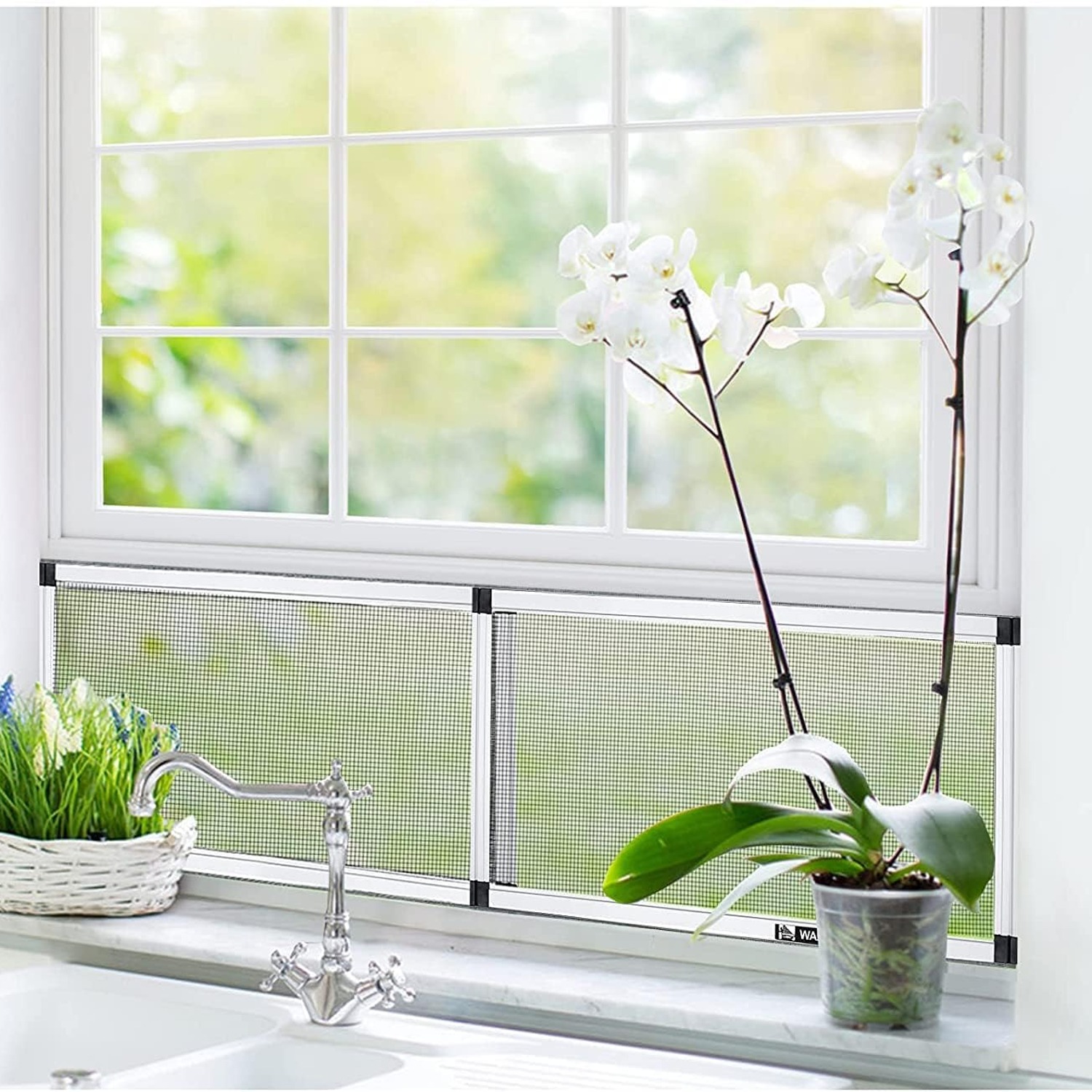
An expandable window screen sits in the middle. It is a mesh panel in a sliding aluminum frame. You open the window, put the screen in the gap, pull it out until it touches both sides, and close the sash down on the top edge. That is the whole job. Nothing is fixed to the house, and when you are done with it you lift it out.
How this one works
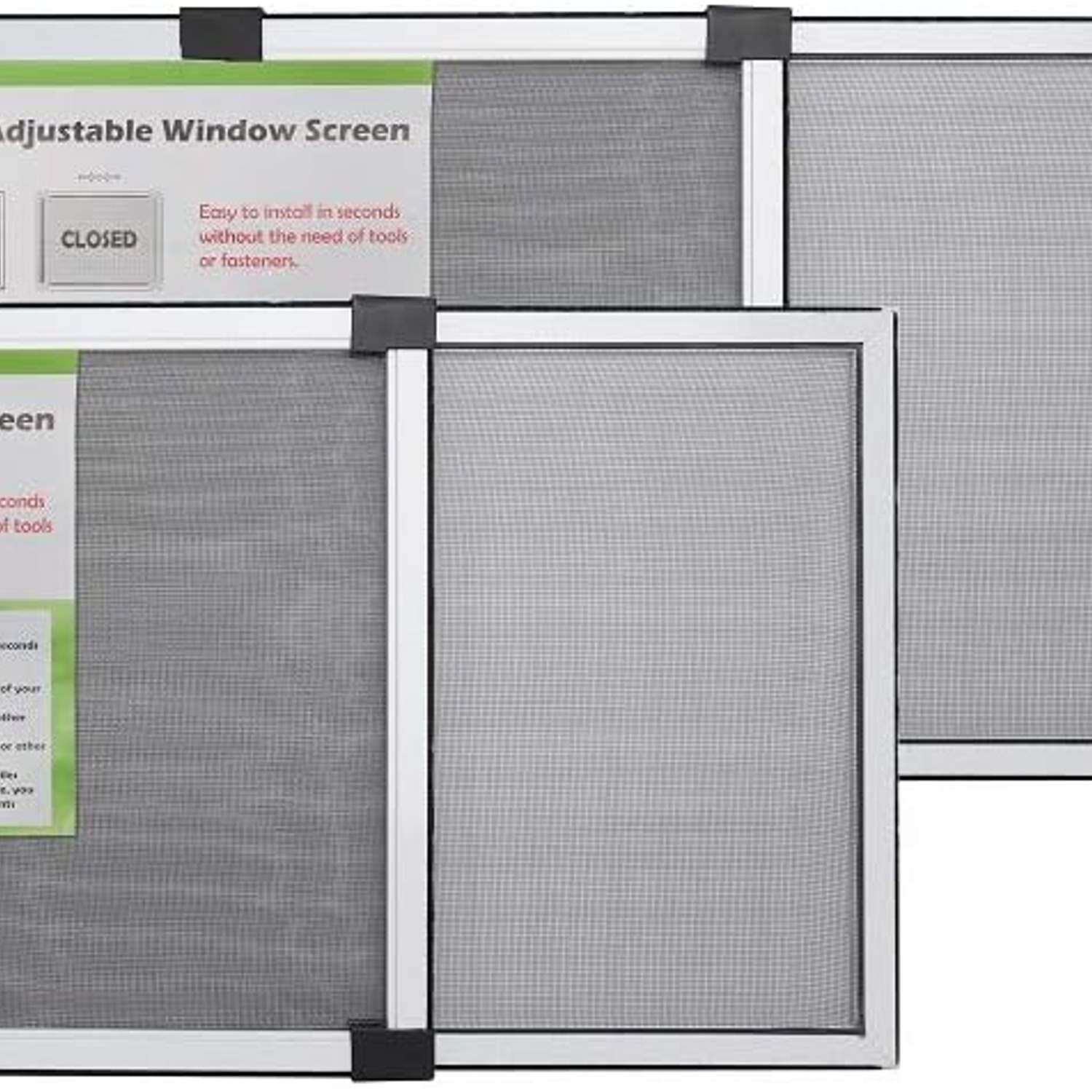
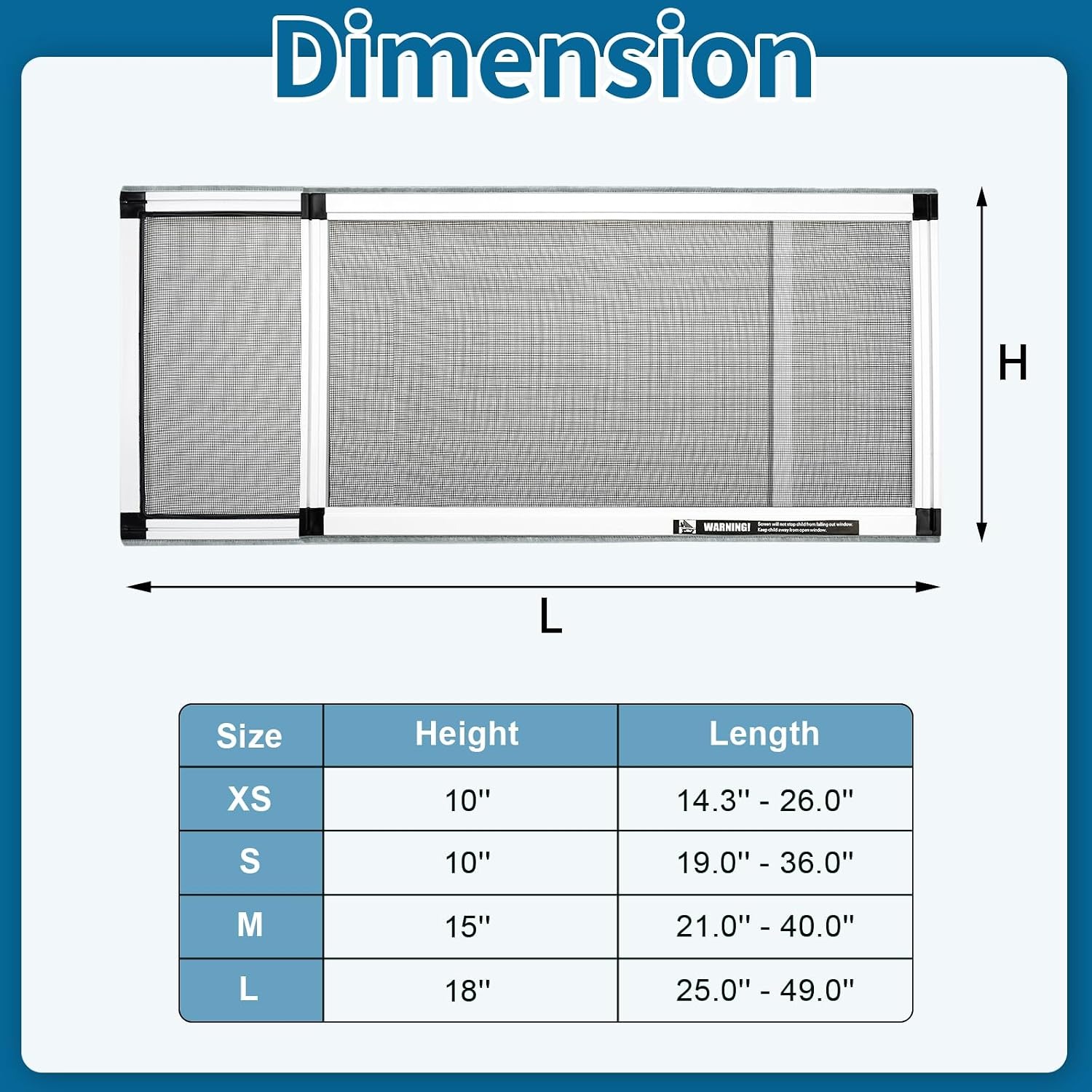
The medium size here is 15 inches high and expands from 21 inches wide out to 40 inches. That covers a good spread of ordinary bedroom and kitchen sashes. Two panels slide inside one another, so as you widen the screen the overlap in the middle gets smaller.
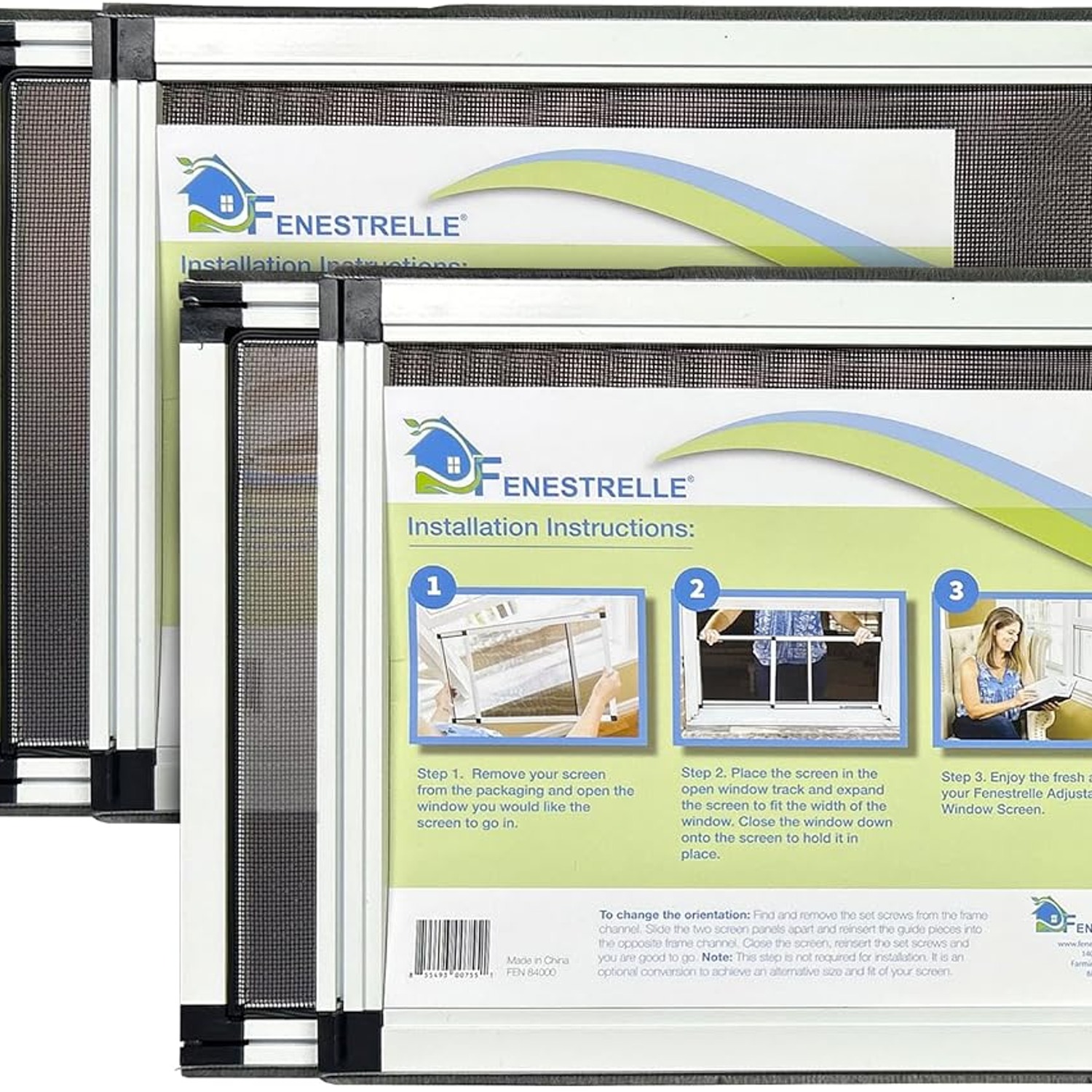
There is a second way to use it. If your window is tall and narrow rather than wide and short, the panels can be rearranged so the screen stands 21 inches high and expands from 15 to 29 inches wide. The changeover uses the little tool that comes in the box. You take out the set screws, slide the two panels apart, move the guide pieces into the opposite frame channel, bring the panels back together and refit the screws. It takes a few minutes and you only do it once.
The frame is high strength aluminum. That matters more than it sounds, because a screen stretched near its full width has make use of working against it. A flimsy frame bows in the middle and the mesh goes slack. Aluminum also shrugs off the damp that collects in a window reveal.
The mesh is fiberglass at 18 x 16 apertures per square inch. That is the normal household insect screening density. It is fine enough to turn back flies and mosquitoes, and open enough that you still get air through. Fiberglass has a quiet advantage over metal mesh too, it flexes. A cat's paw or the end of a curtain rod leaves a dent in aluminum mesh. Fiberglass springs back.
You get two screens in the pack.
Who it suits
The clearest case is a renter. No screws, no adhesive, no permanent change to the window at all. When you hand the keys back there is nothing to explain and nothing to patch. If you have been looking for the best temporary window screen for renters, this style is the answer most people land on.
It also suits anyone with a seasonal need. Caravans, holiday cabins, boats with suitable windows, a summer house that sits empty half the year. You fit the screen when the weather turns warm and store it flat when it does not.
Parents of young children often like it for a bedroom window, since you can get overnight air without an open gap full of insects. Light sleepers get a similar benefit. And if you cook a lot, a screen on the kitchen window means you can clear steam and smells without inviting flies in behind it.
It is less suited to a few situations. Casement windows that swing out on a hinge do not work with this design, because there is no sash coming down to hold the screen. Very large picture windows are outside the width range. And if a window is permanently open all year in a high-wind spot, a fixed screen is the sturdier answer.
Getting the measurement right
This is where most returns come from, so it is worth two minutes with a tape measure.
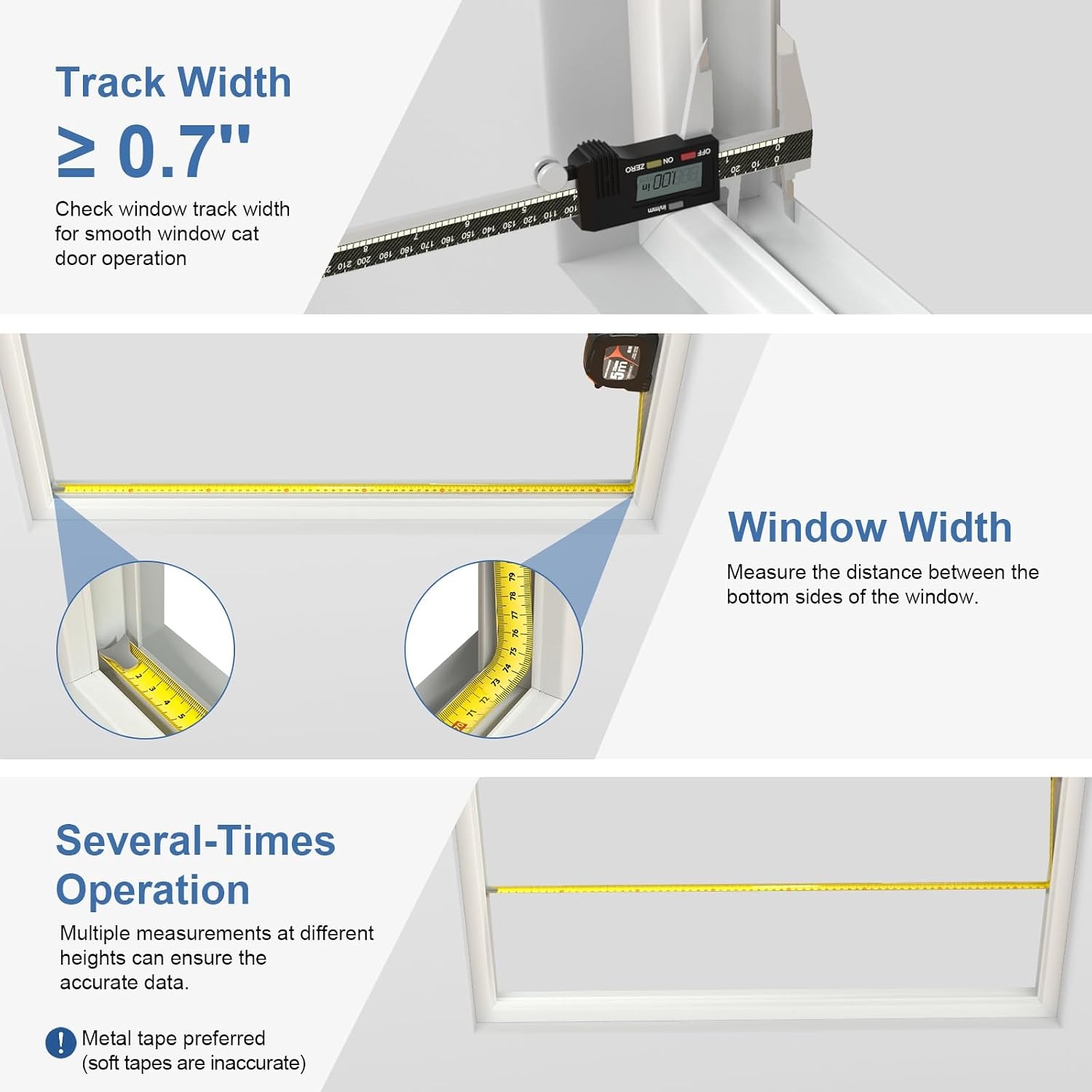
Measure the width of the window opening, not the glass and not the outside of the frame. You want the clear gap the screen has to span. Measure it at the top, the middle and the bottom, because older frames are rarely perfectly square. Use the narrowest of those three numbers.
If that number sits between 21 and 40 inches, the horizontal arrangement works. If it sits between 15 and 29 inches and your opening is tall enough to take a 21 inch high panel, the vertical arrangement works. If it falls outside both, this size is not the right one for that window.
Also check the sill. The screen needs somewhere flat to sit, and it needs the sash to come down onto its top edge. A deeply sloped or heavily cluttered sill makes for a poor seal, and gaps at the edges are exactly where insects find their way in.
One more thing worth knowing before you buy. With a screen in the opening, the sash cannot close fully, so most window locks will not engage. Think about which windows that is acceptable on. Upstairs rooms are usually fine, ground floor rooms deserve a bit more thought.
Fitting it in practice
Open the lower sash a little higher than the screen's height. Clean any grit off the sill, since grit under an aluminum frame is what scuffs paint. Set the screen into the opening, resting on the sill.
Now expand it. Push the panels apart until each end meets the side of the window reveal. You want contact and a light press, not force. Overstretching does not improve the seal, it just puts strain on the frame.
Bring the sash down onto the top edge of the screen frame. That pressure plus the friction at the sides is what holds everything in place. Give the screen a gentle nudge to check it is sitting steady, then leave it.
If you see daylight at a corner, lift the screen out, reseat it squarely and try again. Nine times out of ten a gap means the frame was slightly twisted in the opening rather than the wrong size.
Keeping it in good shape
Mesh collects dust, and dust is what makes a screen look gray and cuts the airflow. Two or three gentle cleans across a season is plenty. A soft brush does most of it. For a proper clean, take the screen out, lay it flat, and wipe it with a damp cloth and a little mild soapy water, then let it dry fully before it goes back in.
Avoid stiff brushes, scouring pads and solvents. Fiberglass mesh is tough but it will stretch if you lean on it, and a stretched patch never quite sits flat again. Skip the pressure washer for the same reason.
Keep the sliding channels clear. Grit in the track is what makes a smooth screen stiff. A quick wipe along the channel when you clean the mesh takes seconds.
For storage, clean it, dry it, and put it away flat or standing upright somewhere dry. Do not stack boxes on top of it over winter, because a few months under weight is enough to bow a light frame. A wardrobe floor or a gap behind a cupboard is ideal.
The short version
An expandable window screen is a sliding mesh panel that fits into a double-hung window and is held in place by the closed sash. This medium 2 pack is 15 inches high and spans 21 to 40 inches wide, with a vertical option of 21 inches high by 15 to 29 inches wide. The frame is aluminum, the mesh is fiberglass at 18 x 16 apertures per square inch, and fitting needs no tools.
Measure the narrowest point of your window opening before you order. Check your window is a double-hung or vertical sliding type. Accept that the lock will not engage while the screen is in. If all three of those are fine, you get fresh air at night without the insects, in a product you can take out and store whenever you like.