
The complete guide
How to Choose and Fit a Magnetic Screen Door That Actually Seals
The problem with an open door
Every warm country has the same summer argument. One person wants the back door open for the breeze. The other person is swatting at a moth circling the kitchen light. Leaving a door open is the cheapest cooling you will ever get, and it is also an open invitation to flies, mosquitoes, moths and whatever else is drawn to a lit room after sunset.
Fitted window screens solve it, but they cost real money, they need measuring and ordering, and in a rental you are not drilling anything into a door frame. So most people compromise. They keep the door shut, run a fan, and accept the stuffy hallway.
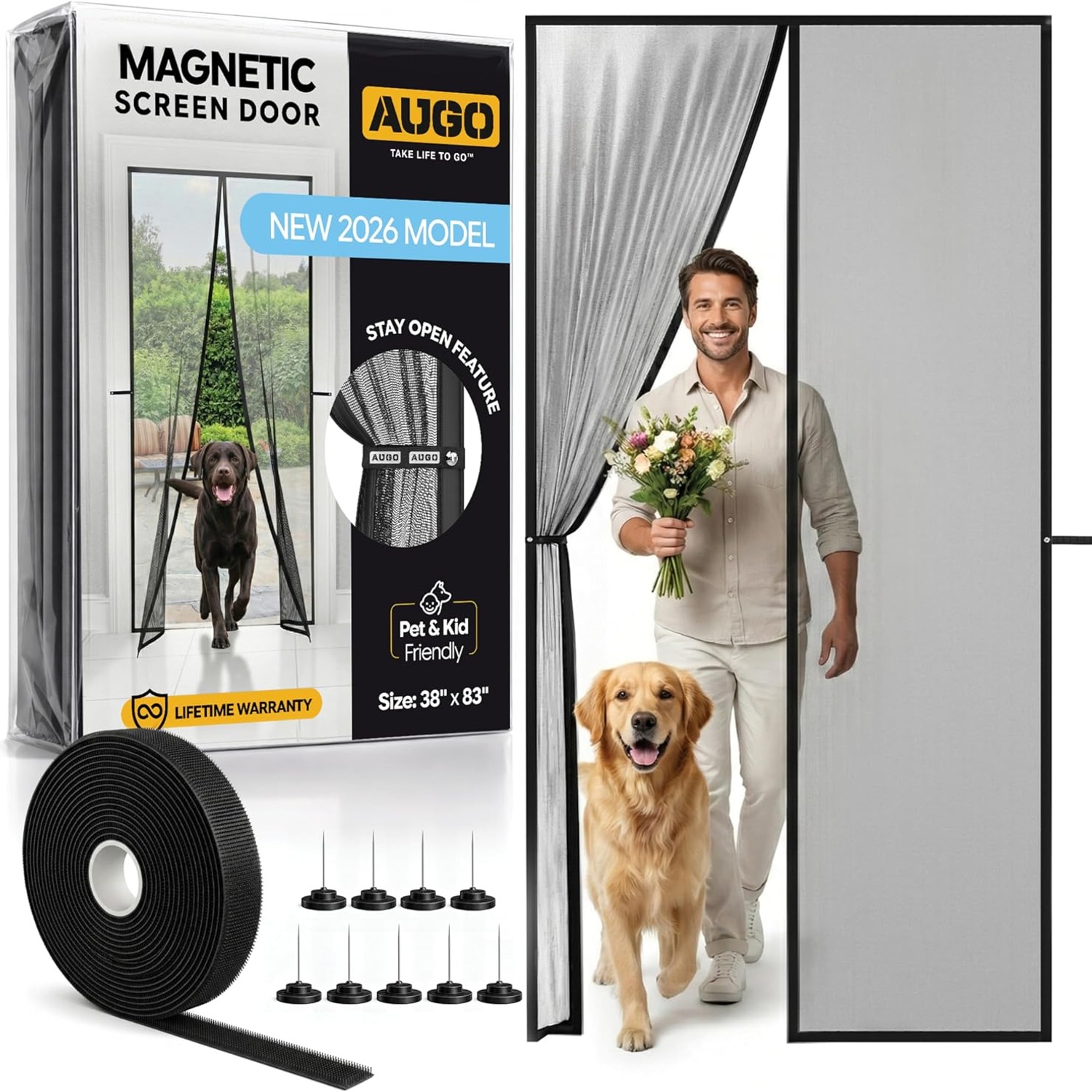
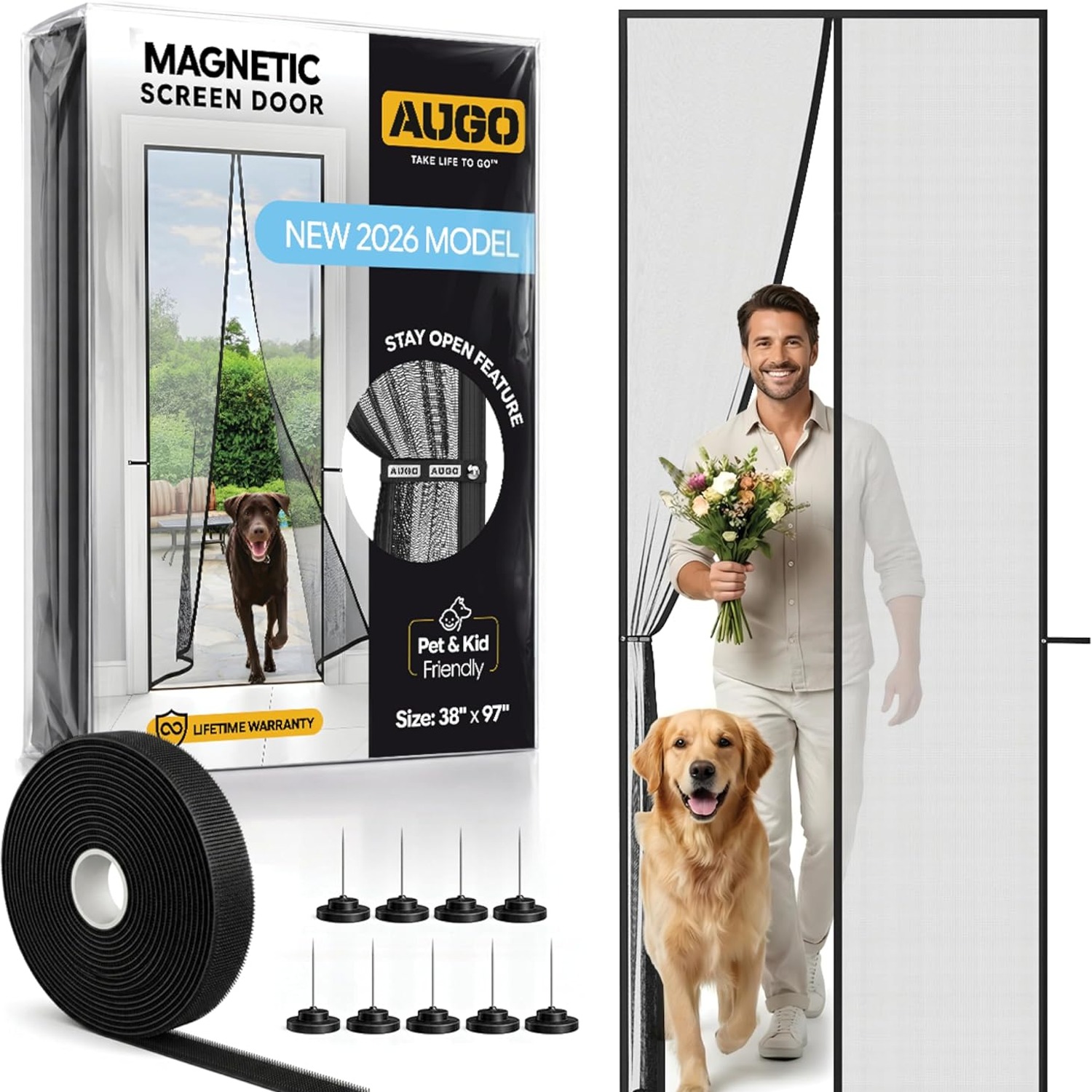
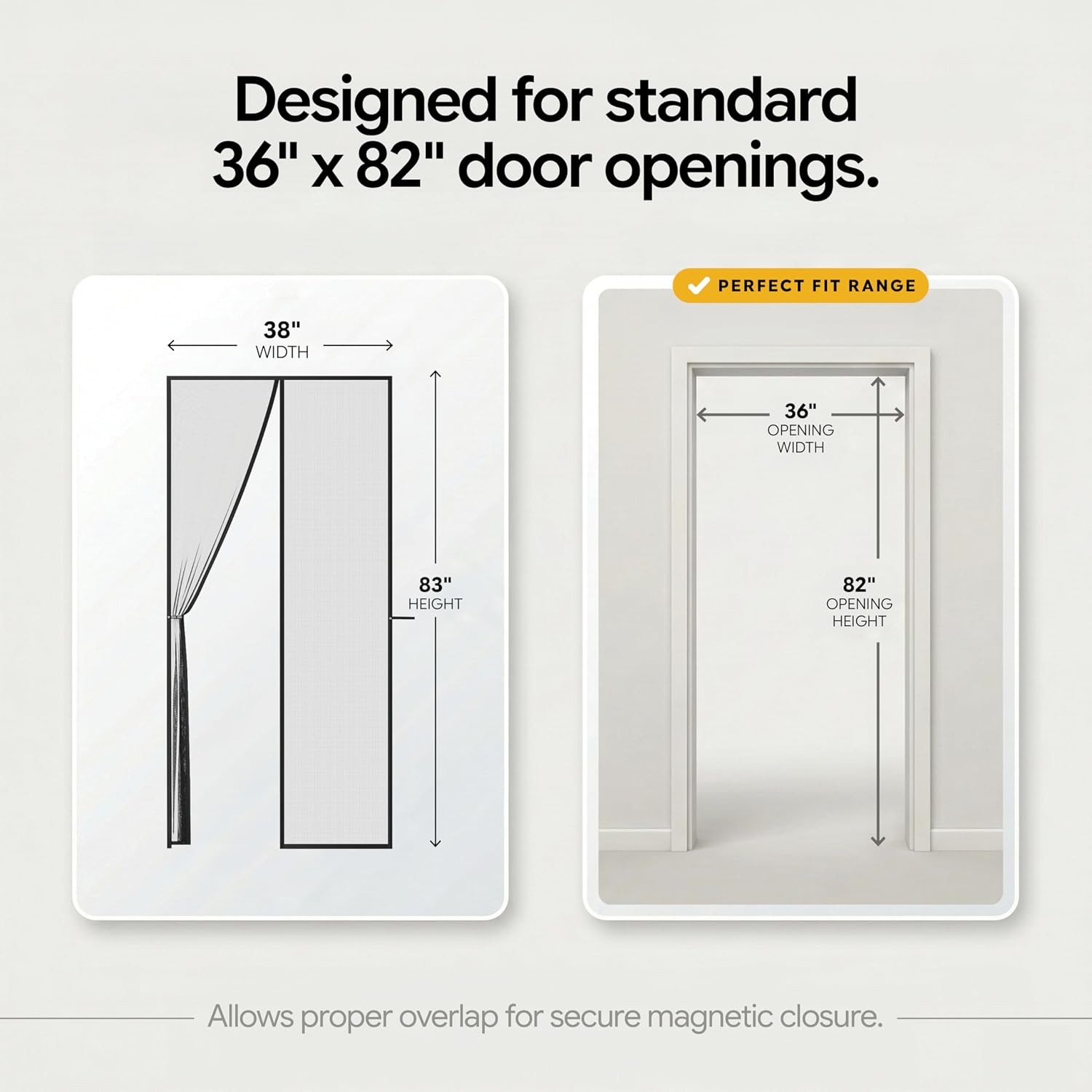
A magnetic mesh door curtain is the middle path. It hangs over the opening, you walk straight through it, and it closes itself behind you. No handle, no latch, no turning around with a laundry basket on your hip. This one measures 38 x 83 inches and is built for a 36 x 82 inch door opening, which is the common size for front, back and patio doors in a lot of homes.
How the self-sealing part works
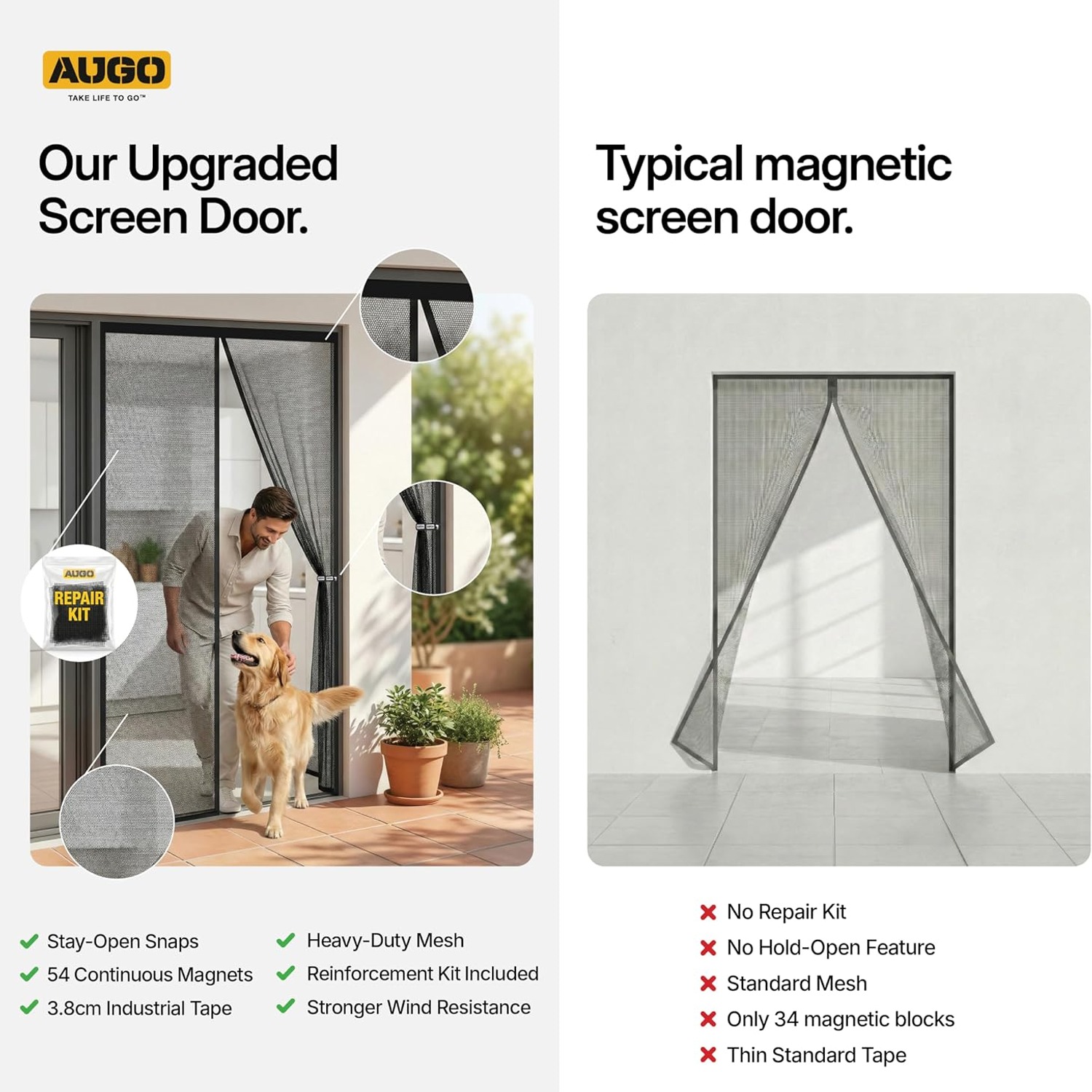
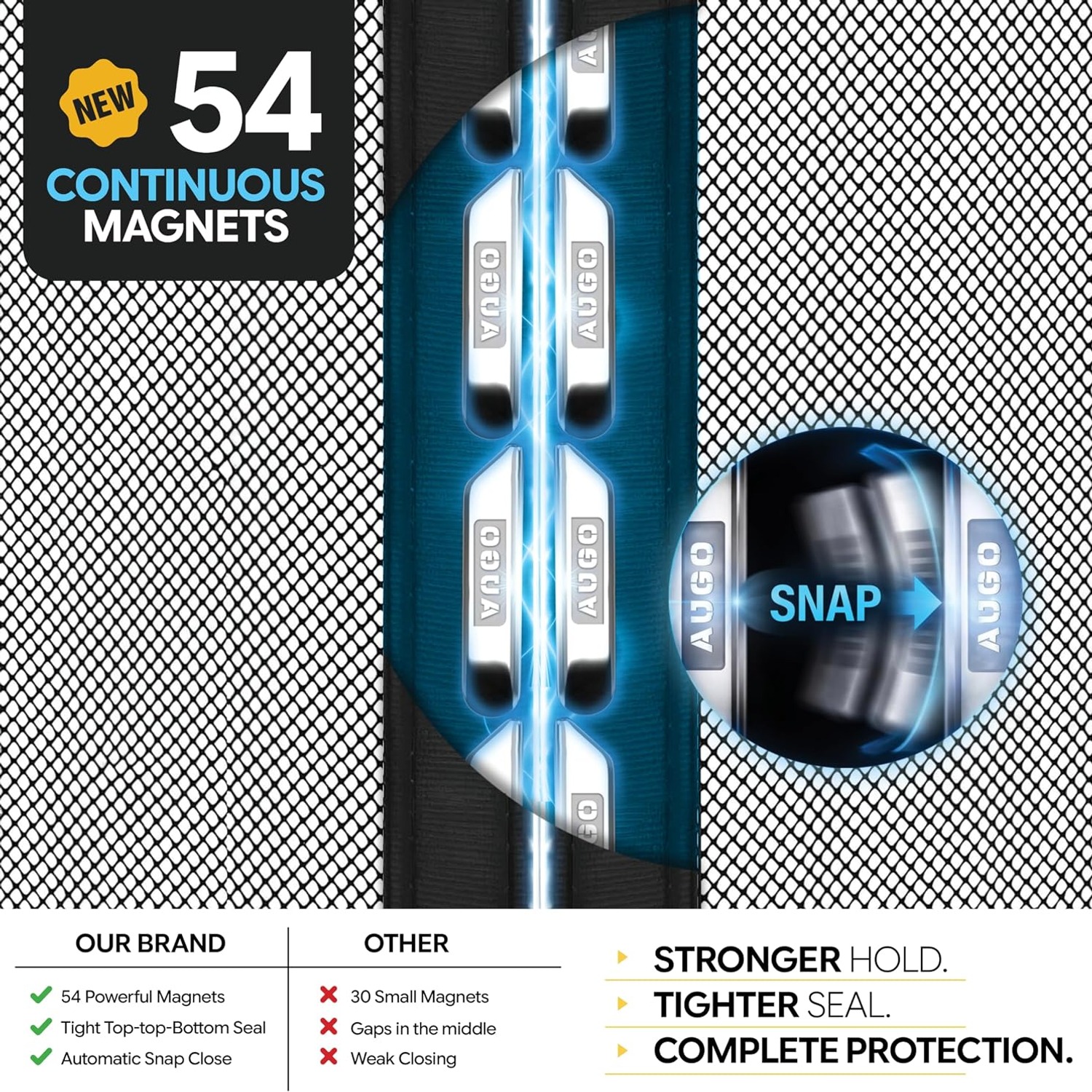
The whole idea rests on one detail, which is where the magnets sit. Cheap screens put a handful of magnets at intervals down the middle. That works in the center and leaves the top and bottom to gape. You end up with a screen that looks closed and is not.
This screen runs magnets along the full length of the center seam. When you step through, the two halves are pulled back together from the top of the doorway to the floor in one motion. There is no mechanism, no spring, nothing to break. It is magnet meeting magnet, and that is exactly why it keeps working after a whole season of daily use.
The second half of the seal is the perimeter. The hook-and-loop tape runs the full way around the frame, not just at the corners. Think about where insects actually get in. It is almost never through the middle of the mesh. It is the loose edge at the top corner where the tape stopped short, or the flapping side that nobody pressed down properly. Taping the whole frame closes those routes.
Push pins are included as well. On a timber frame they give the tape some backup, which matters most along the top edge and in a breezy spot. Use them if you have the option.
Who this suits
If you have a standard door opening around 36 x 82 inches and you want an insect screen without a trades visit, this is the straightforward answer. It covers front doors, back doors, patio doors and many sliding door frames, as long as there is a flat surface to stick to.
Renters do well out of it. Nothing is screwed in and nothing is cut, so the whole setup can come down in ten minutes at the end of a tenancy. For anyone looking for the best screen door for apartments, the no-drill option is usually the only option.
Pet owners are the other obvious group. The panels part under light pressure, so cats and small dogs learn to push through within a day or two. Hold the mesh open a few times so they can see the gap and most animals work it out themselves. Bigger dogs may need more encouragement, and a very large dog will push the panels harder than the magnets are designed for.
Caravan and motorhome owners can use it too, provided the opening is close to the stated size and there is a clean flat edge for the tape. A rough or textured surface is the usual dealbreaker.
Measuring before you buy
This is the step that decides whether you are happy or annoyed. Measure the door opening, not the outside of the trim. Open the door fully and measure the clear space, width first, then height.
Take the width in three places, top, middle and bottom. Old frames settle and go out of square more often than people expect. Use the widest figure you get.
Then compare to 36 x 82 inches. A little under is fine, because the surplus mesh lies over the frame and still seals. Noticeably over is a problem, because the mesh will not reach the edges and you will have permanent gaps. Do not plan to trim the screen down, either. Cutting through the hem and the magnet seam ruins the thing that makes it work.
Fitting it properly
Clean the frame first. This sounds fussy and it is the single biggest factor in how long the tape holds. Dust, cobwebs, old insect spray residue and damp all stop adhesive from gripping. Wipe it down, then let it dry completely before you stick anything.
Start at the top center and work outwards. Hang the screen so the center seam sits in the middle of the opening and the panels reach the floor. Press the tape down along the top first, then the two sides, then check the bottom. Run your thumb along every inch of tape. The corners are where screens fail.
Give it a few hours before heavy use if you can. Adhesive bonds get stronger with time and pressure. If you have push pins and a timber frame, add them along the top and at the upper corners where the load is highest.
Once it is up, test it. Walk through a few times and watch the seam close. If a section is slow to meet, the screen is probably hanging slightly off center or the panels have a twist in them. Unstick the top edge and reset it rather than living with it.
Keeping it in good condition
Polyester mesh is tough but not indestructible. Wipe it with a damp cloth and mild soap when it gets dusty, then let it air dry fully. Avoid bleach and solvents, which weaken the fibres, and skip the scrubbing brush.
Check the hook-and-loop tape every few weeks. It collects lint, dust and pet hair, and a fluffy strip grips far less than a clean one. A quick pass with sticky tape or a stiff dry brush lifts most of it out.
If you store the screen over winter, roll it loosely instead of folding it hard along the magnet line. A sharp crease at the seam can affect how well the panels sit together next season. Keep the spare tape and push pins in the same bag, because hunting for them in spring is a small misery nobody needs.
Realistic expectations
A magnetic screen is not a installed window screen, and it helps to know that going in. In a strong gust the panels can push apart for a moment before the magnets pull them back. On a very exposed doorway you may want extra push pins down the sides to keep the edges from lifting.
It also will not stop a determined large dog, and it is not a security product. What it does well is stop insects while letting air and light through, for a fraction of the price and effort of a permanent screen.
The short version
Measure your door opening excluding the frame. If it is around 36 x 82 inches, this 38 x 83 inch screen will fit with the right overlap. Clean and dry the frame, run the hook-and-loop tape the full perimeter rather than just the corners, add push pins on timber, and press everything down hard.
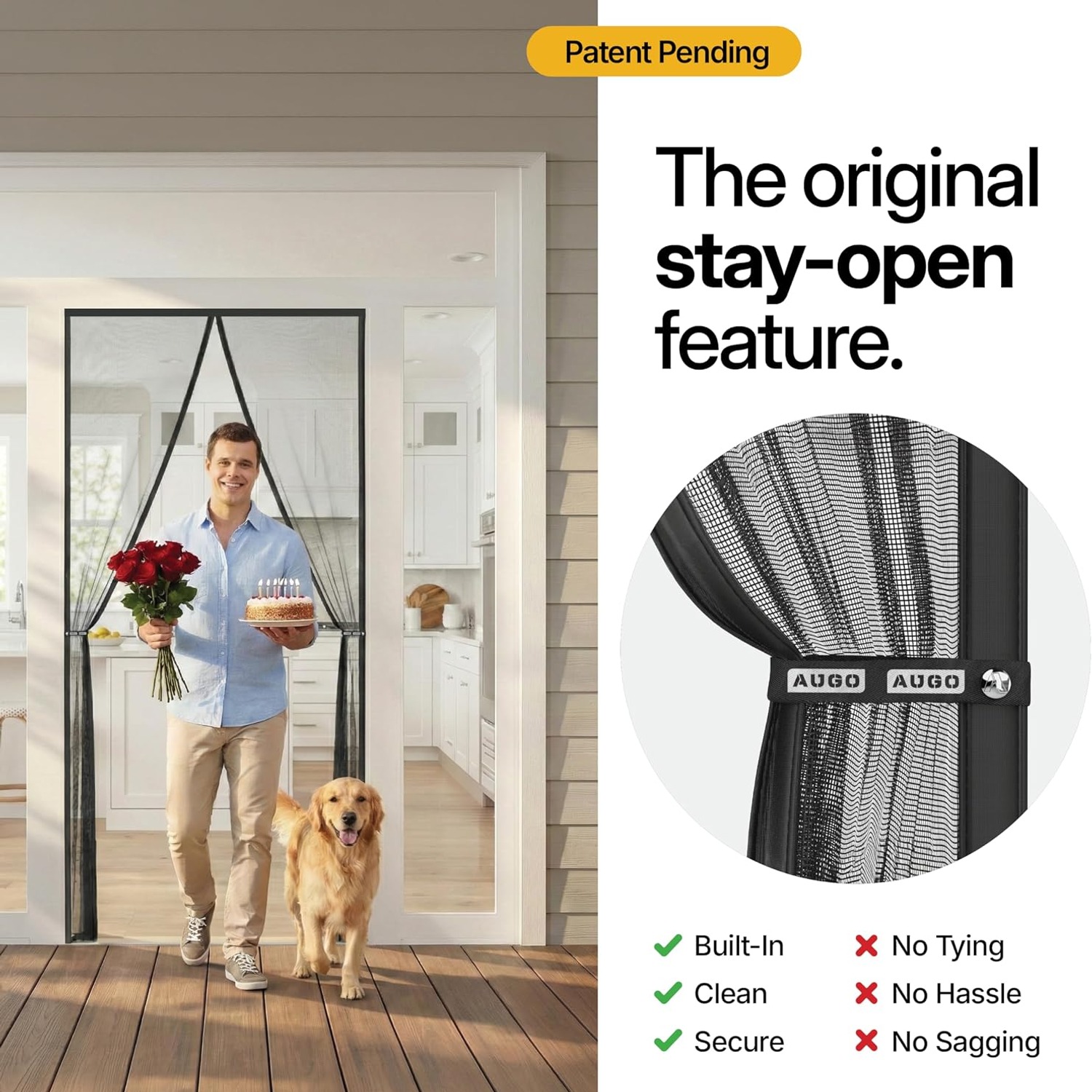
After that it mostly looks after itself. Full-length magnets close the seam behind you every time, the polyester mesh handles constant traffic, and the snaps hold the panels open when you need the doorway clear. You get the breeze, and the mosquitoes stay outside where they belong.